How to Design a Small Living Layout Like a Pro
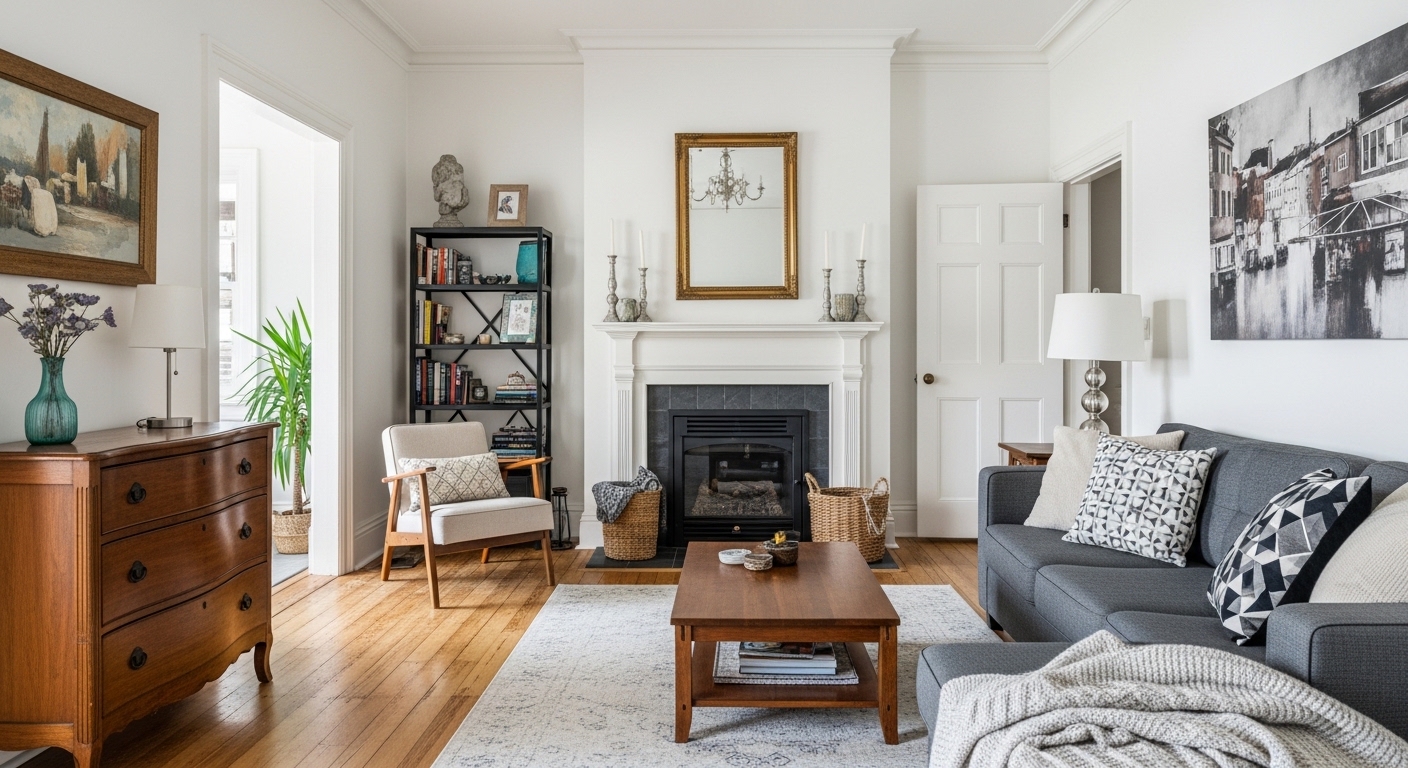
I stared at my small living room last year. The sofa hugged one wall, chairs floated awkwardly, and the coffee table blocked the path to the door. It felt tight, not cozy. I’d shoved furniture around for hours, but nothing clicked.
One afternoon, I stepped back. The issue wasn’t the pieces—it was how they sat together. No flow, no breathing room.
That’s when I figured out a simple way to make it work. Now it feels open, even at 10×12 feet.
How to Design a Small Living Layout Like a Pro
This is the method I use every time a room feels off. You’ll learn to arrange your space for easy flow and comfort. In the end, your small living room will feel balanced and lived-in, without giving up seating or storage.
What You’ll Need
- 8×10 neutral wool rug (beige or soft gray)
- Slim-profile linen sofa (under 80 inches wide, in warm taupe)
- Two armchairs with slim legs (upholstered in cream linen)
- Low woven coffee table (round, 36-inch diameter)
- Floor lamp with fabric shade (arched arm, matte black base)
- Wall-mounted floating shelves (two 24-inch oak units)
- Tall floor plant in jute pot (fiddle leaf fig, 5 feet)
- Throw pillows in textured cotton (three 20-inch, earth tones)
- Side table in reclaimed wood (20×20 inches)
Step 1: Clear and Map the Flow
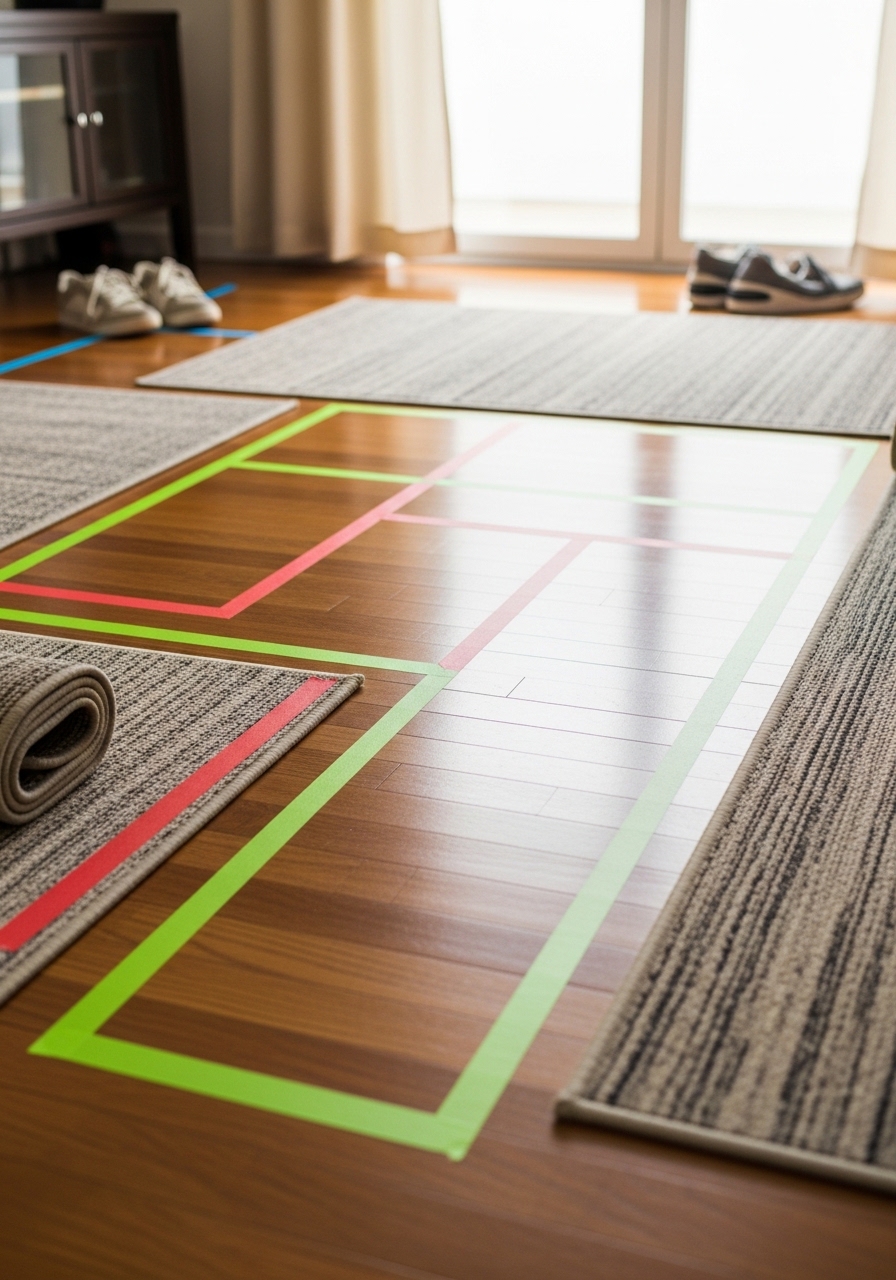
I start by moving every piece out. The floor looks bare, but that’s good—it shows the real paths people take. From door to sofa, kitchen to hallway. I mark them with tape.
Visually, paths pop against the empty space. It changes everything; you see dead zones instantly.
Most miss how doors swing—they steal flow. One insight: leave 30 inches clear around them. Avoid cramming furniture tight against entry points; it chokes the room.
Now it breathes. I feel the layout’s bones.
Step 2: Anchor with the Rug
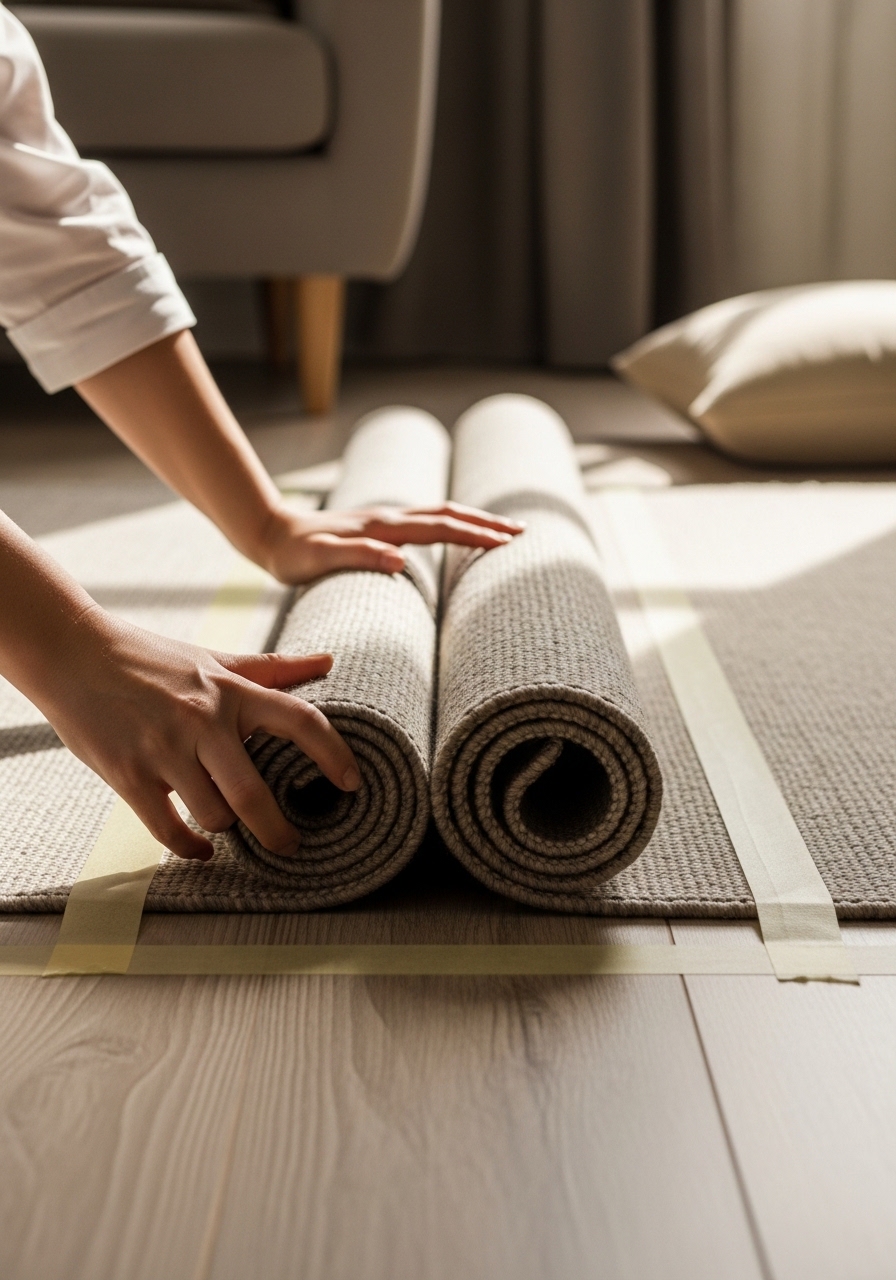
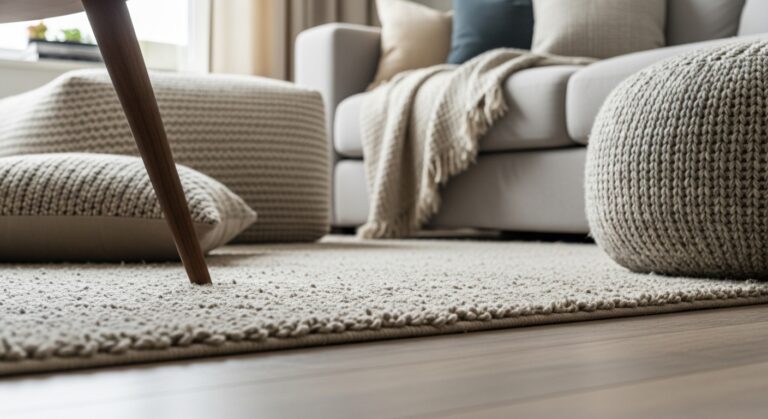
Next, I drop the 8×10 rug down first. It floats 18 inches from walls, covering most of the main seating area. Why? It pulls everything together visually.
The room shifts—feels grounded, less scattered. Walls recede a bit.
People overlook rug size; too small makes furniture float. Insight: it should fit all front legs of sofa and chairs. Don’t center it perfectly; angle for path flow.
Furniture will snap to it naturally.
Step 3: Place Seating for Conversation
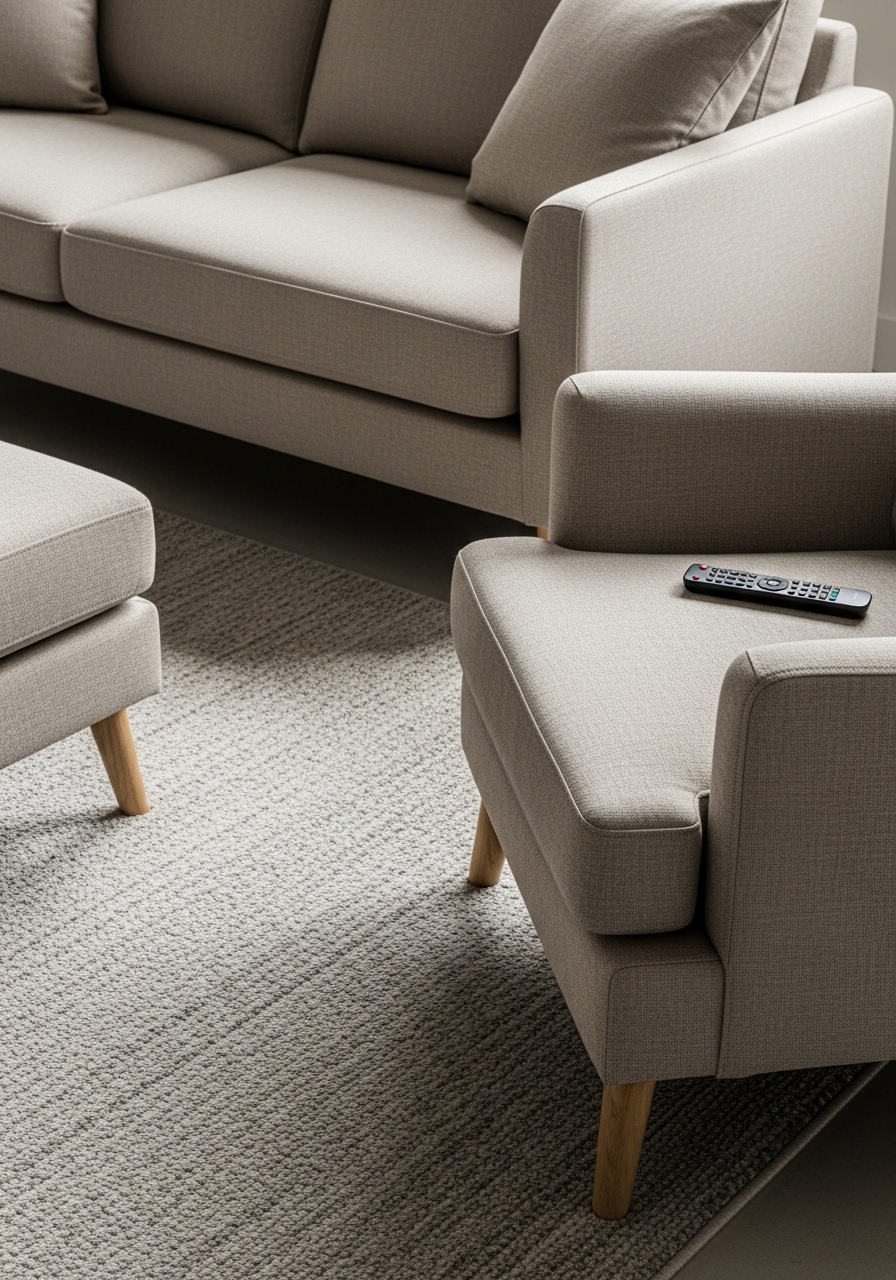
I pull the sofa against the longest wall, legs on the rug. Armchairs face it at 45 degrees, all legs on too. Space between lets knees pass easy.
Visually, a cozy U forms—no back-to-the-room feeling. It draws eyes in.
Missed insight: sightlines matter. Everyone should see the TV or window. Avoid lining up against walls; it stiffens the vibe.
Test by walking through. Adjust an inch here, there.
Step 4: Add the Focal Point Low
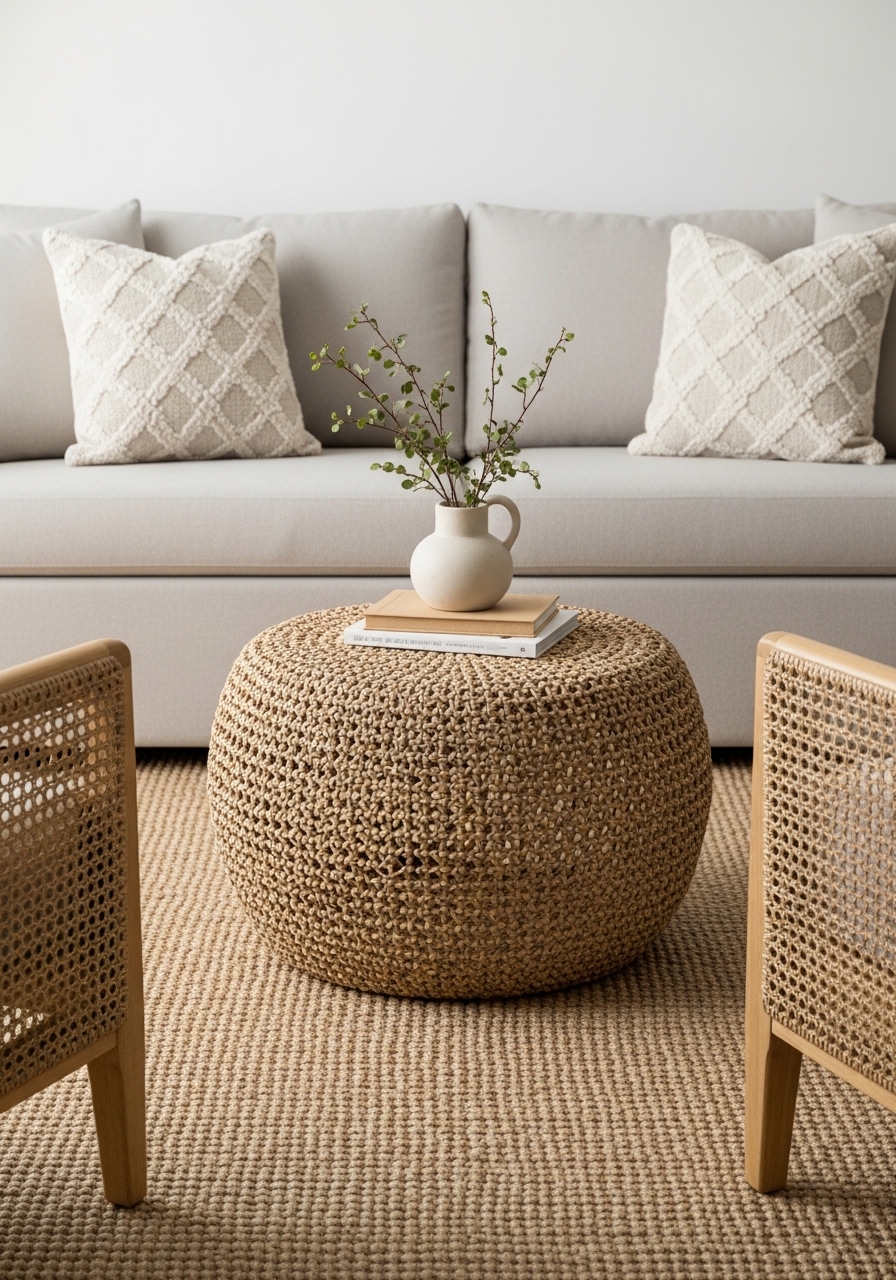
Coffee table goes smack in the U’s middle, low and round. It bridges the seating without blocking views.
The setup tightens comfortably now—inviting, not cluttered. Flow stays open around edges.
Folks forget height; high tables chop the space. Insight: keep it under 18 inches. Don’t overload it yet; one book stack max.
It grounds the conversation zone perfectly.
Step 5: Layer Light and Height
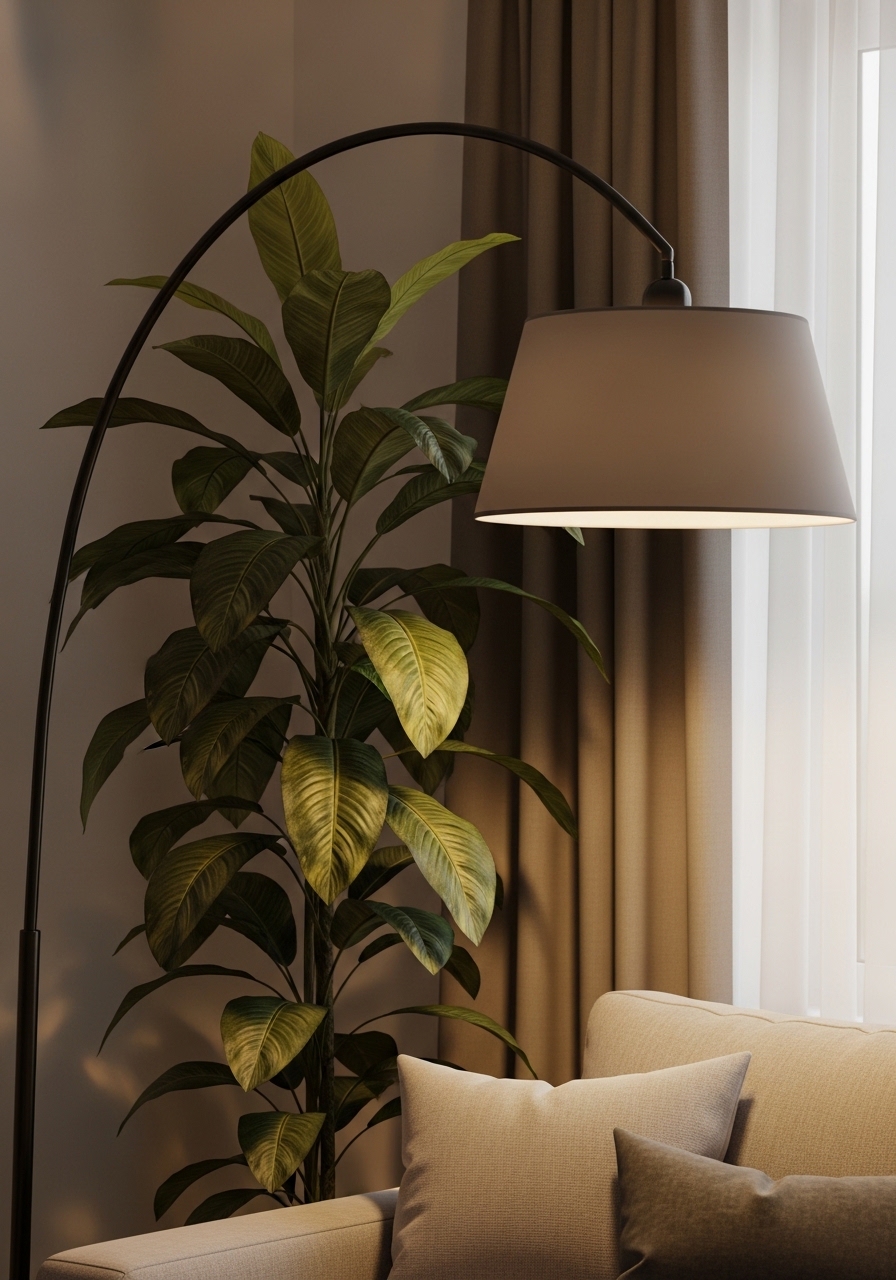
Floor lamp tucks behind the sofa arm, arching over. Plant rises tall in the corner, filling empty wall height.
Shadows soften, room gains depth—feels taller, airier.
Overlooked: light lifts flat walls. Insight: mix floor and table sources. Avoid centering tall pieces; they block paths.
Now it has rhythm, up and down.
Step 6: Balance with Shelves and Softness
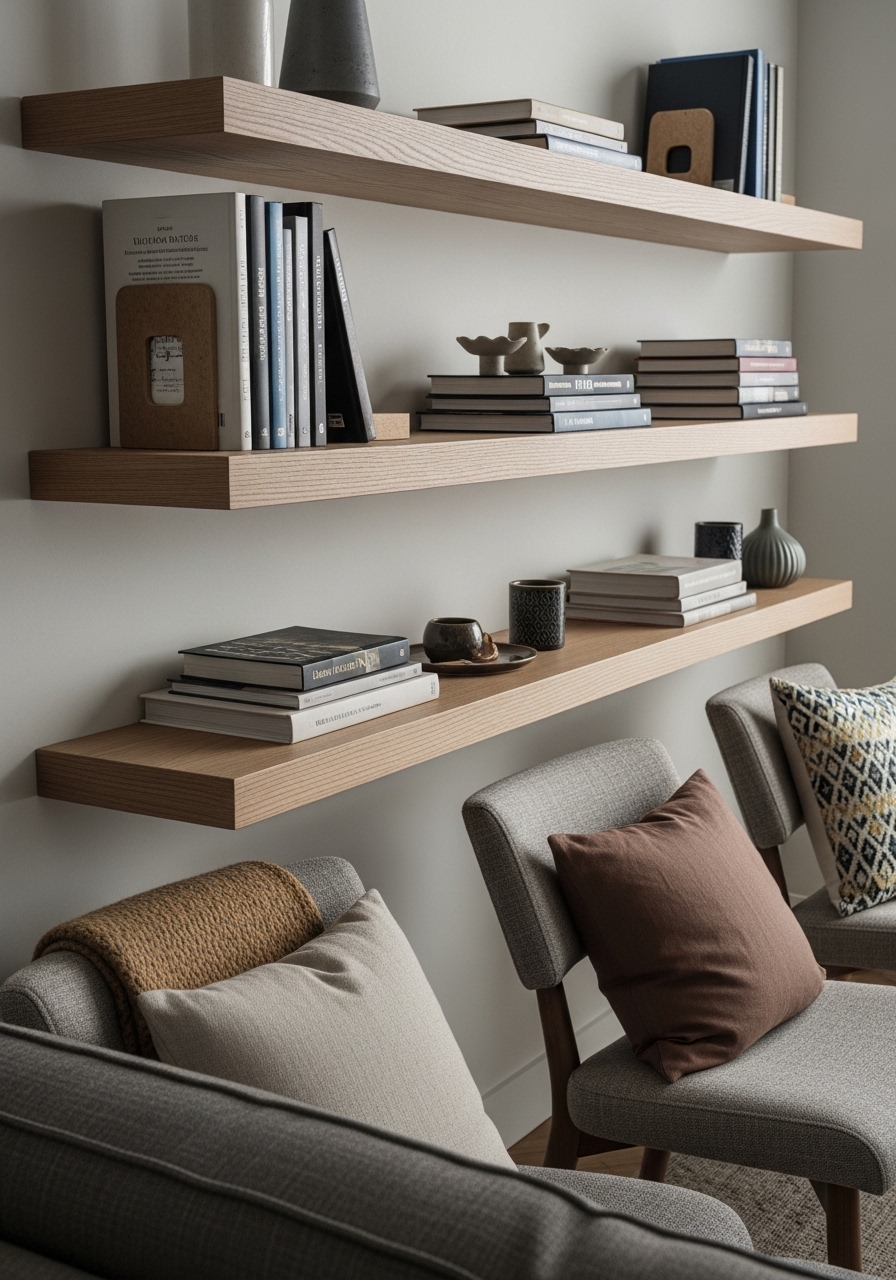
Shelves go above the sofa, staggered heights. Pillows plump chairs, side table slips beside.
Final visual: balanced weight, no heavy side. Warm, settled.
Common miss: empty walls scream small. Insight: odd numbers of items feel natural. Avoid symmetry; it boxes the eye.
Side table last—test reach. Done.
Common Mistakes I’ve Made
I’ve pushed sofas into corners thinking it saves space. It didn’t—made the room feel smaller.
Here’s what trips people up:
- Forgetting to measure paths first (doors need clearance).
- Using oversized rugs that bunch up.
- Ignoring ceiling height—tall lamps hit heads.
Step back after each move. Walk it through. Fixes most issues.
Adapting for Odd Shapes
My room had a wonky window. I angled the rug to echo it.
Tweak like this:
- Bay window? Curve seating around.
- Narrow? Float sofa off wall 4 inches.
- Multi-door? Rug zones split traffic.
It’s about your paths, not rules. Test, nudge, live in it a day.
Quick Refresh Tips
Every six months, I swap pillows or shift the plant.
Keeps it fresh:
- Rotate accessories seasonally.
- Vacuum under rug edges.
- Tuck remotes in baskets.
Small tweaks maintain balance without overhaul.
Final Thoughts
Start with one corner if it overwhelms. Clear it, rug it, seat it.
You’ve got this—your space knows its flow.
In the end, it’s comfortable because it fits how you move. That’s the real win.