How to Decorate Small Bedroom for Kids Easily
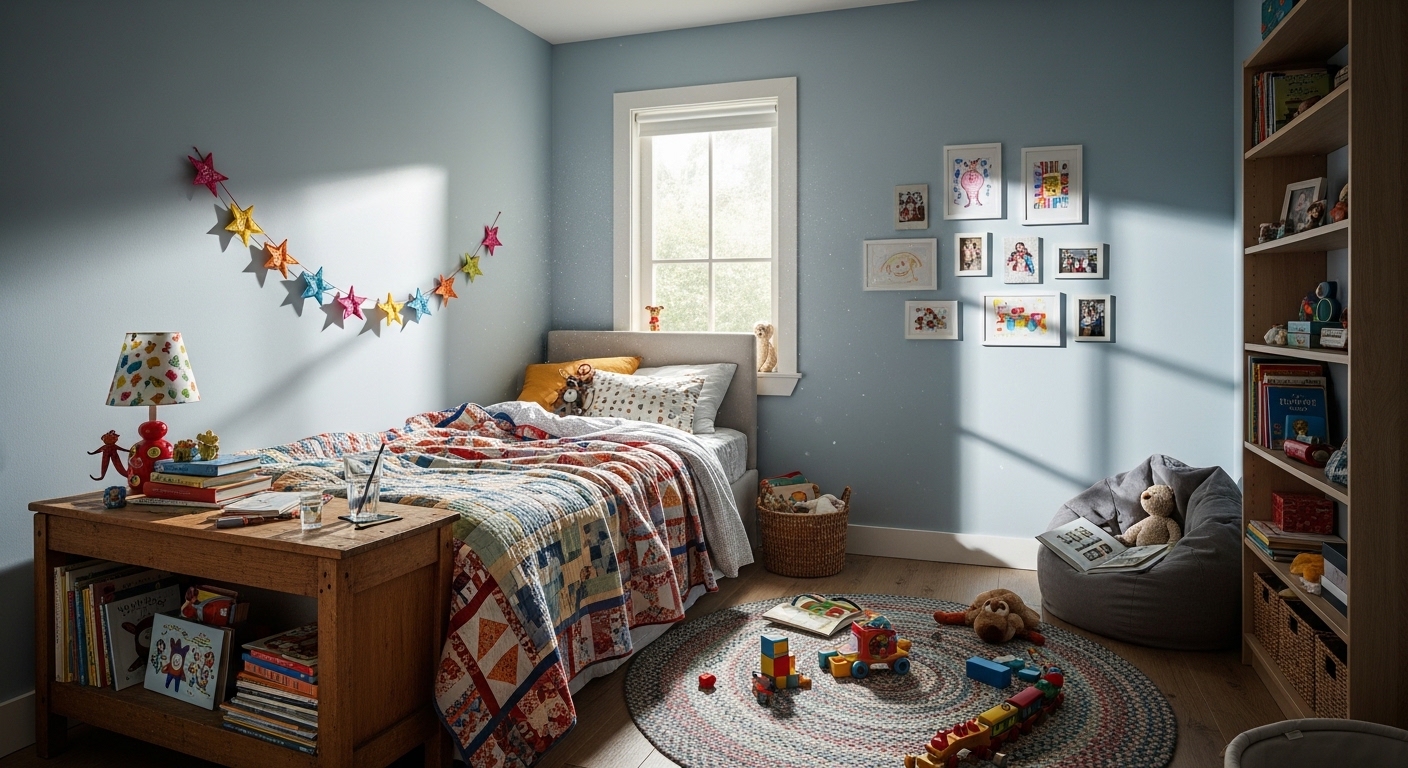
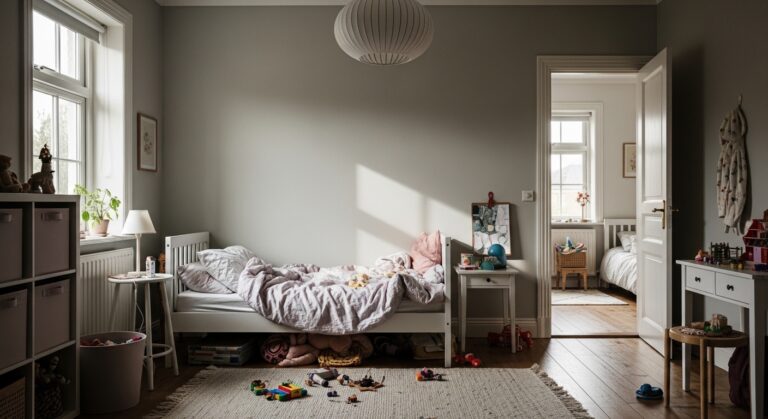
My kid's room was tiny. Toys on the floor. Bed pushed against the wall. It felt crowded, like everything fought for space. I stared at it one afternoon, wondering how to make it comfortable without buying more stuff.
I'd tried posters and shelves before. They just made it busier. Kids need room to play, but small spaces close in fast. I wanted it calm, not chaotic.
This time, I focused on what fits naturally. The room breathed easier after.
How to Decorate Small Bedroom for Kids Easily
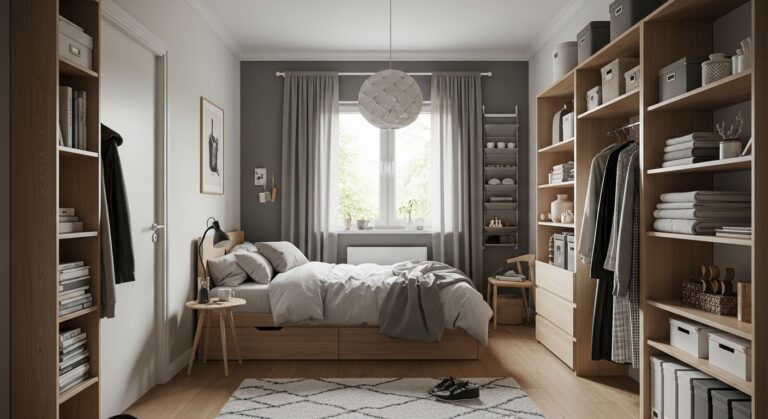
This shows you how I settle a cramped kid's bedroom into a balanced spot. You'll end up with a space that holds toys, sleep, and play without feeling stuffed. It's simple placement I rely on every time.
What You’ll Need
- Twin bed frame with underbed drawers, white wood
- Cotton duvet cover, 6×8 feet, soft blue with white stripes
- Low woven basket, 18-inch diameter, natural rattan
- Floating wall shelf, 24×8 inches, light pine
- Area rug, 5×7 feet, low-pile gray with subtle patterns
- String lights, 10 feet, warm white bulbs
- Fabric bins, set of 3, 12×12 inches, canvas in muted greens
- Wall hooks, set of 4, brass finish
- Small stuffed animals, 3-4 pieces, soft fabrics
- Nightstand lamp, 12-inch height, fabric shade
Step 1: Clear the Floor for Breathing Room
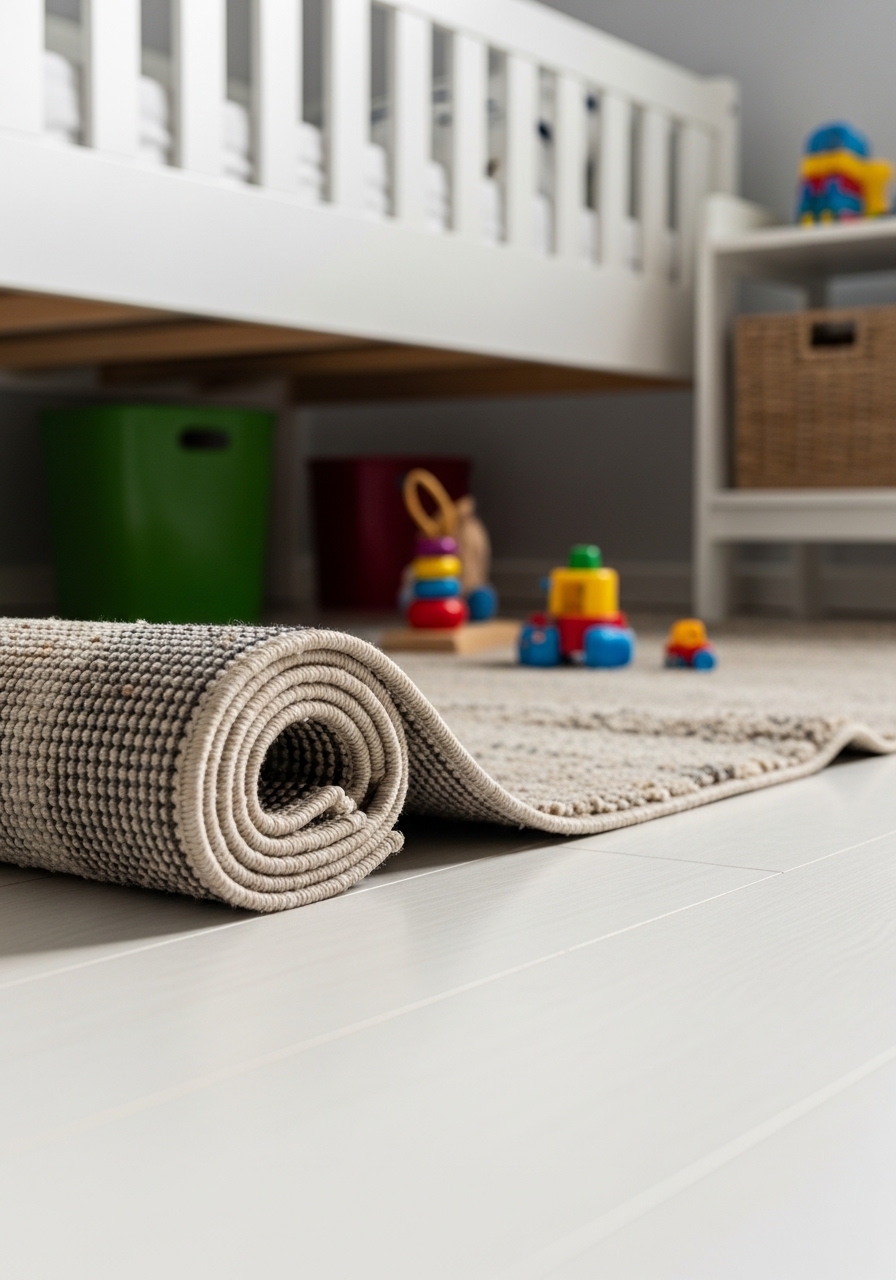
I start by moving everything off the floor. Toys go into a pile on the bed. Clothes into a basket. This lets me see the bones of the room.
Visually, the space opens up right away. Walls feel farther apart. It's like the room sighs.
People miss how much floor space kids actually use for play. Keep at least 3 feet clear around the bed. Don't cram in extra furniture— that's the mistake that chokes the flow.
Now it invites movement.
Step 2: Anchor the Bed as Your Focal Point
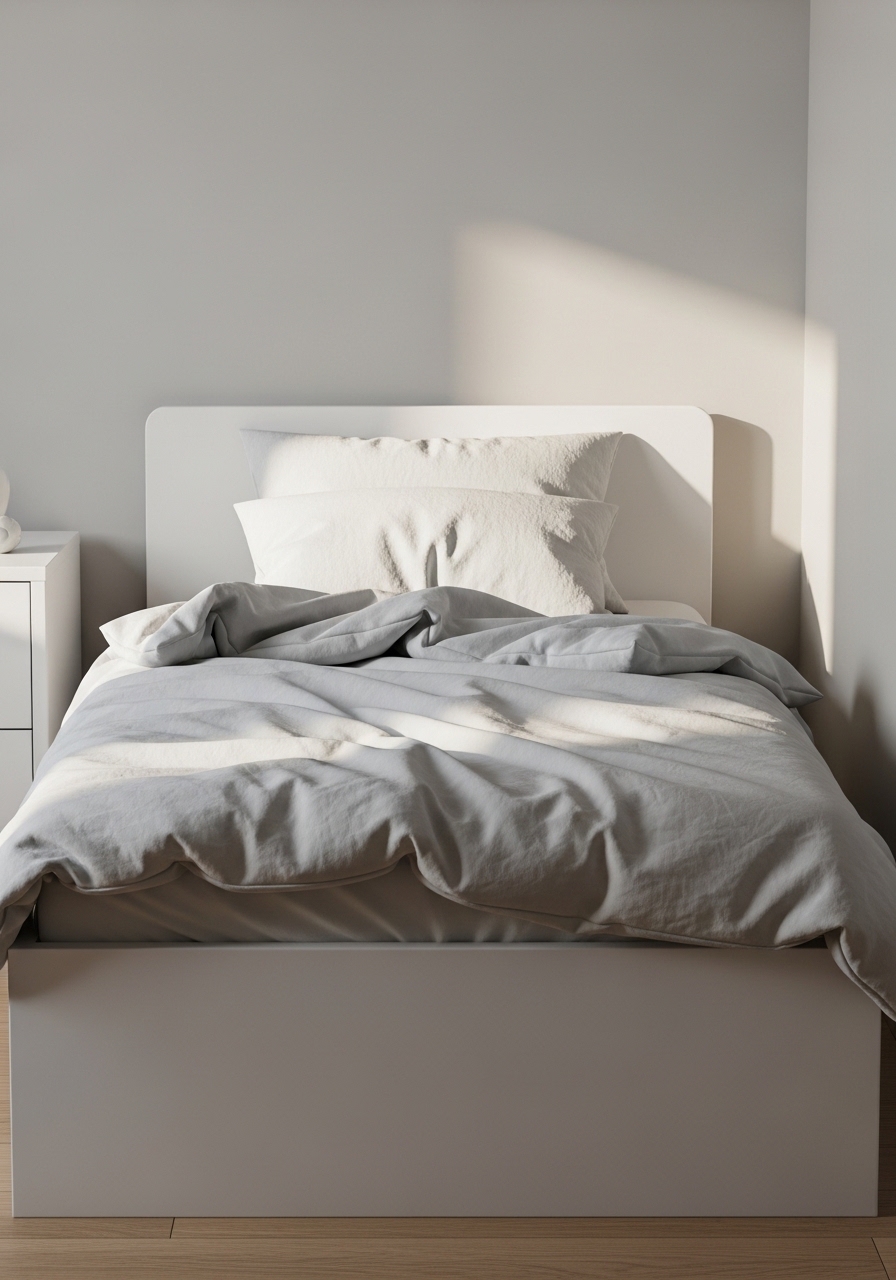
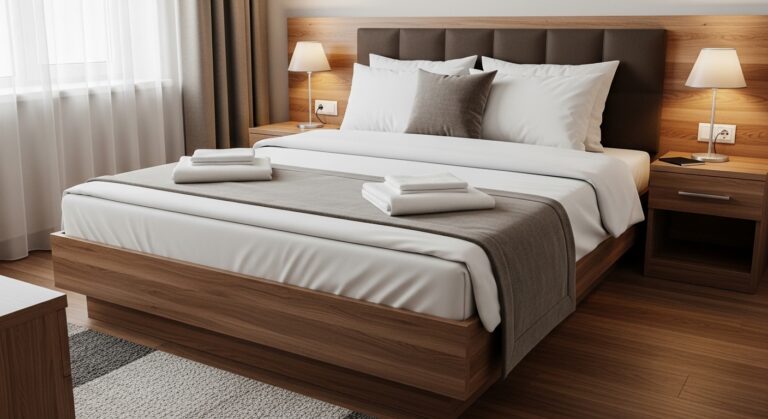
Next, I slide the bed into the longest wall's center. Headboard centered, drawers facing out. No floating it in the middle.
The room gains direction. Eyes land there first, then spread out calmly.
Folks overlook bed height in tiny rooms. Low frames keep it grounded—avoid tall ones that loom. Don't shove it into a corner; that dead-ends the energy.
It pulls the space together now.
Step 3: Layer Soft Textiles for Warmth
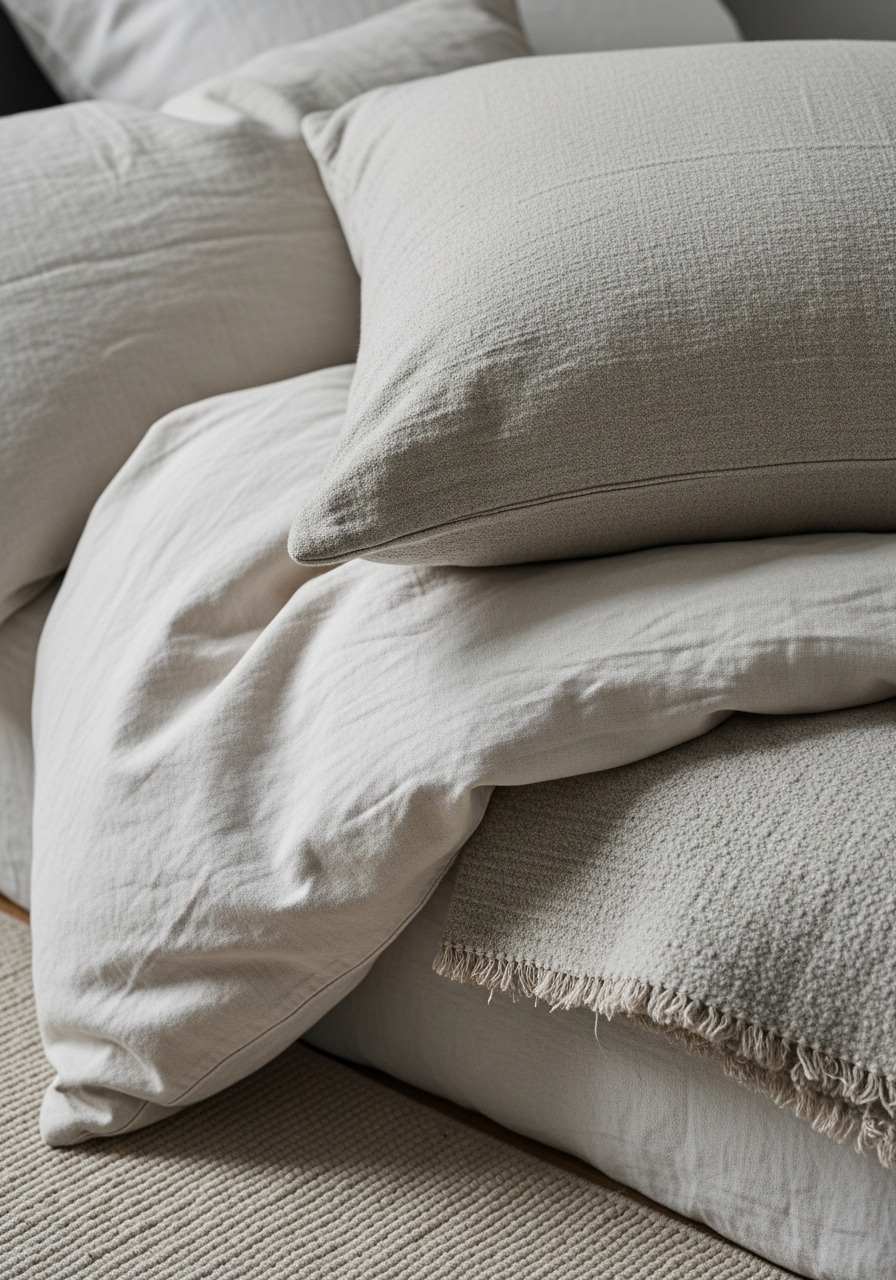
I drape the duvet loosely, add two pillows. Rug goes under the bed, edges peeking out. No perfect tucks.
Textures warm the bare walls without bulk. It feels lived-in, soft underfoot.
The insight? Kids touch everything—choose washable fabrics they won't ruin. Skip heavy throws; they weigh down small spots.
Cozy settles in.
Step 4: Add Smart Storage That Hides Chaos
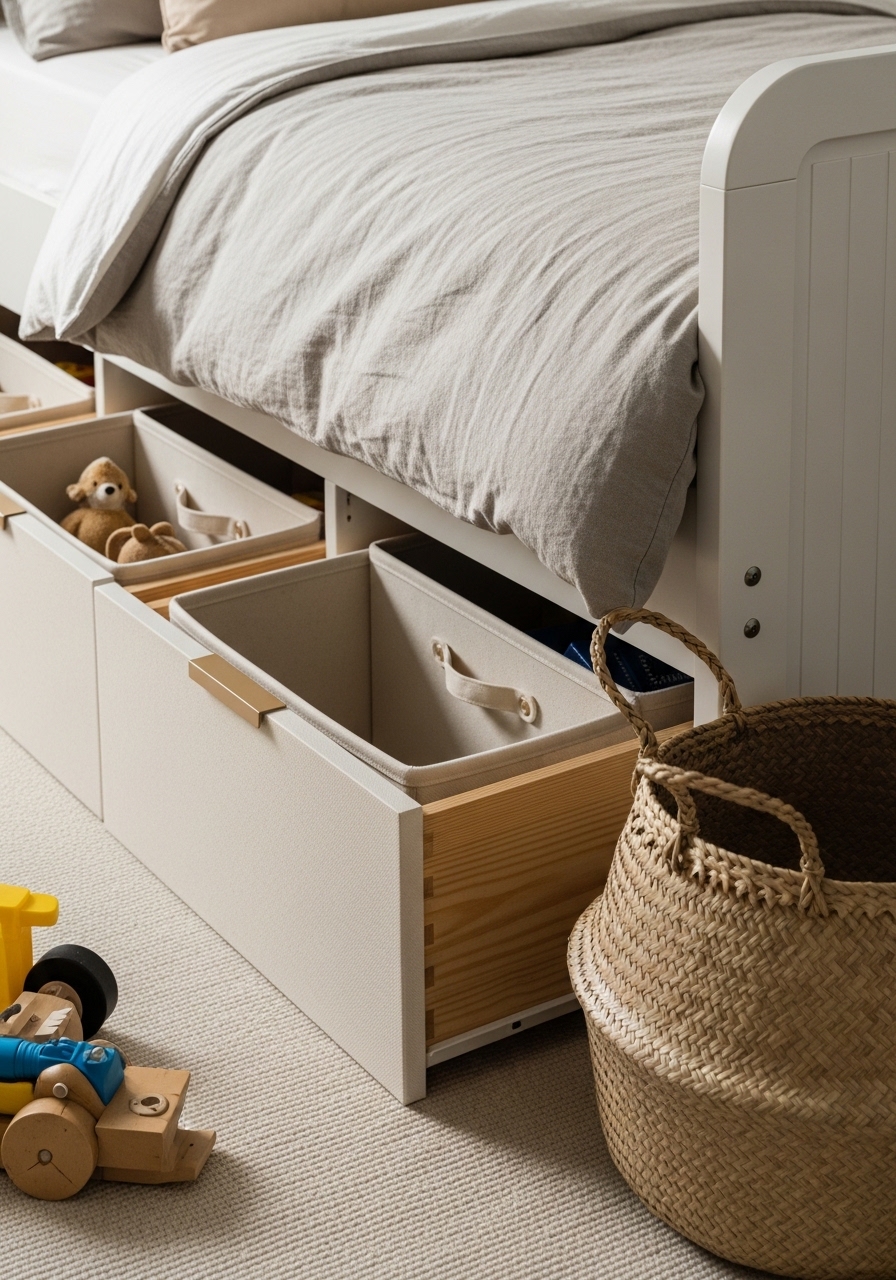
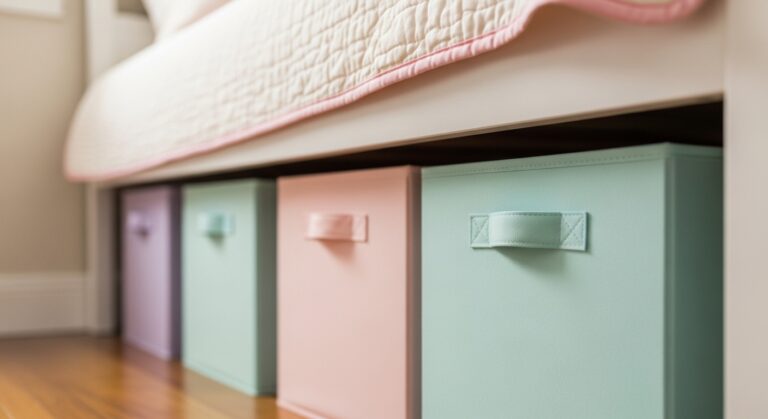
Underbed drawers slide in first. Bins for toys on top shelves. Basket by the door for quick drops.
Clutter vanishes, floor stays open. Balance returns—storage blends, doesn't shout.
Miss this: Vertical space over the bed for shelves, but keep them shallow. Avoid floor-level units; they trip kids.
Room holds more now.
Step 5: Finish with Gentle Lighting and Touches
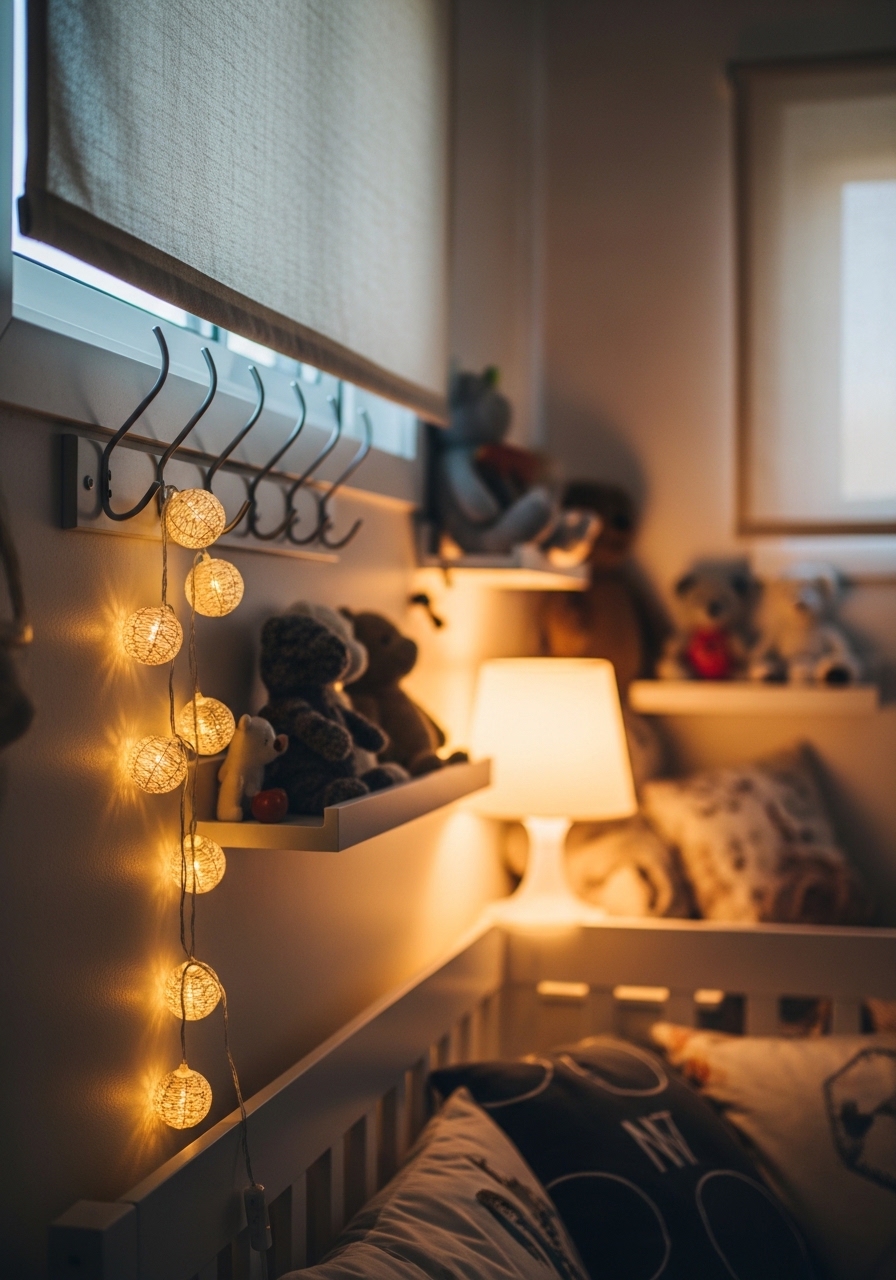
String lights loop along the wall shelf. Lamp on low nightstand. A few stuffed animals sit loosely.
Light softens edges at night. Personal bits add comfort without crowding.
Key miss: Overhead lights glare—layer low ones. Don't overload hooks; two or three items max per wall.
It feels complete, balanced.
Handling Toys Without the Mess
Toys multiply fast in kid rooms. I keep them contained but accessible.
- Use bins that stack under the bed.
- One basket by the door for daily drops.
- Rotate favorites weekly—hide the rest.
This way, play stays fun, floor stays clear. No daily battles.
Making It Grow with Your Kid
Small rooms adapt as kids age. I tweak yearly.
Start neutral: Blues and grays shift to greens easily.
Add hooks for backpacks later. Shelf for books.
It stays comfortable through phases.
Quick Refresh Tips
Every six months, I refresh without overhaul.
- Wash textiles, fluff pillows.
- Swap one stuffed animal.
- Dust shelves, straighten lights.
Keeps it fresh, intentional. Takes 20 minutes.
Final Thoughts
Start with just the bed and rug. See how it shifts the feel.
You've got this—small changes settle a room fast.
Now your kid's space works for real life.