How to Dark Color Small Bathroom
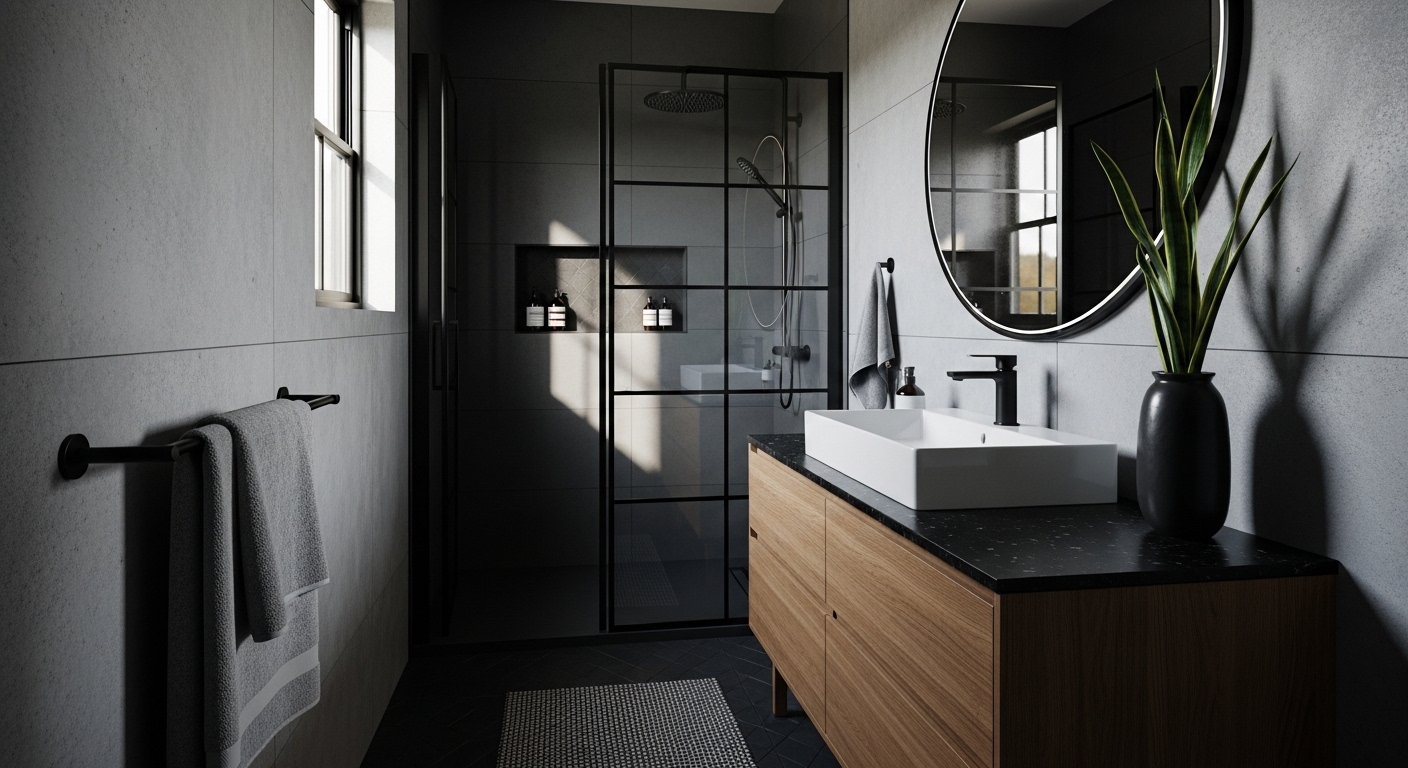
I stared at my tiny bathroom. Nine by six feet. White tiles made it feel cold and endless. I wanted dark walls for warmth, but worried it'd shrink the space more.
Tried light gray first. Still flat. Then went darker. It worked once I balanced it.
Now it feels wrapped in quiet comfort. Yours can too.
How to Dark Color Small Bathroom
This guide shows you how to layer dark colors in a small bathroom so it feels deeper, not smaller. You'll end up with a warm, balanced space that holds its own. It's straightforward. I've done it in mine.
What You’ll Need
- Matte charcoal gray paint (eggshell finish, sample quart)
- Black matte 3×6 subway tiles (shower surround)
- 24-inch round brass mirror (antique finish)
- Satin nickel towel bar (12-inch wall mount)
- Warm LED bulbs (2700K, vanity pair)
- Textured linen hand towels (charcoal, 16×28 inches)
- Small black soap dispenser (ceramic matte)
- Fern in black ceramic pot (6-inch)
Step 1: Check Your Light First
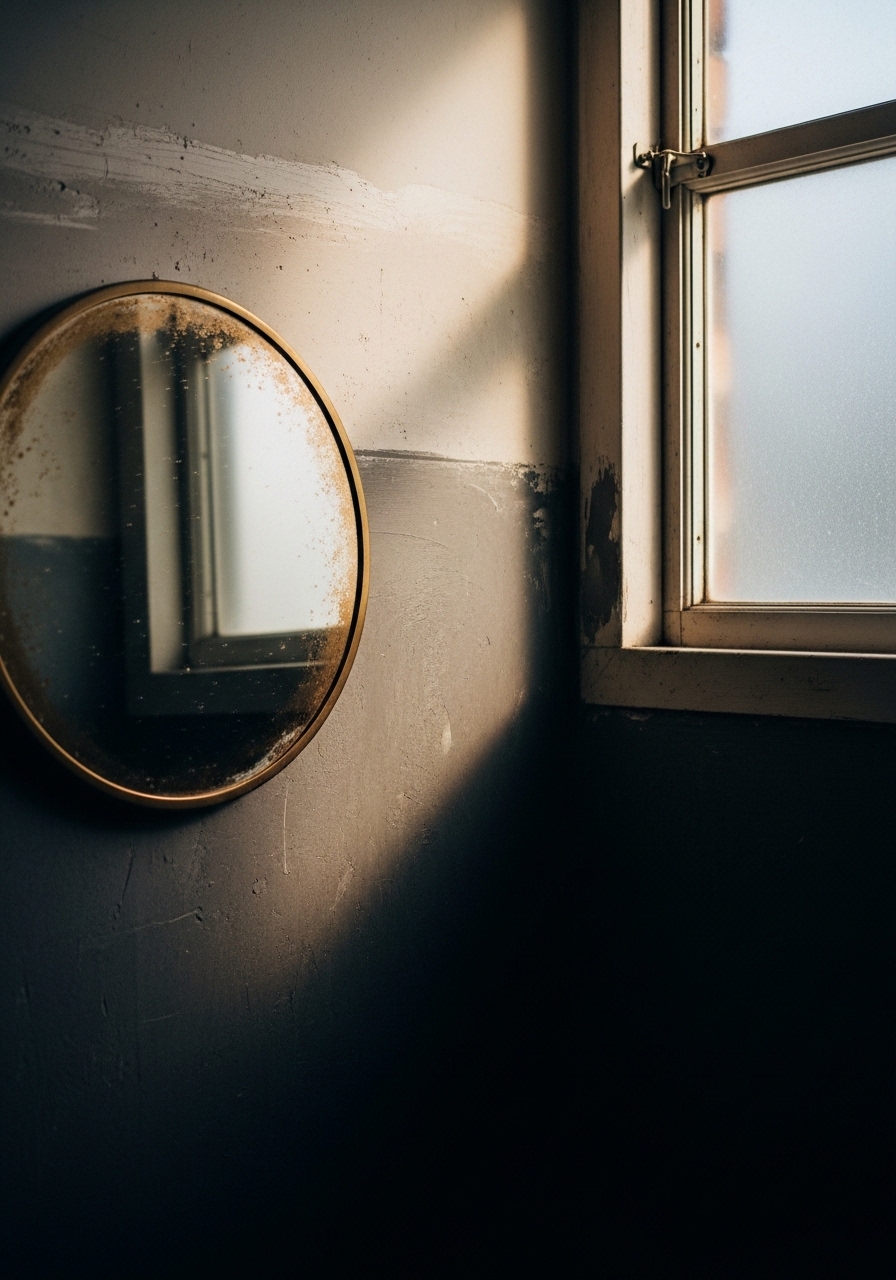
I stand in the empty bathroom mid-morning. Note where light hits. North-facing? It stays dimmer. That's fine for dark colors—they add depth there.
Visual shift: Shadows soften. The room starts feeling enclosed, cozy. Not cave-like yet.
Most miss how morning light bounces off white fixtures first. Use that. Mistake: Painting without checking. Dark eats harsh overhead light—swap to warm bulbs early.
Step 2: Paint Walls in One Dark Shade
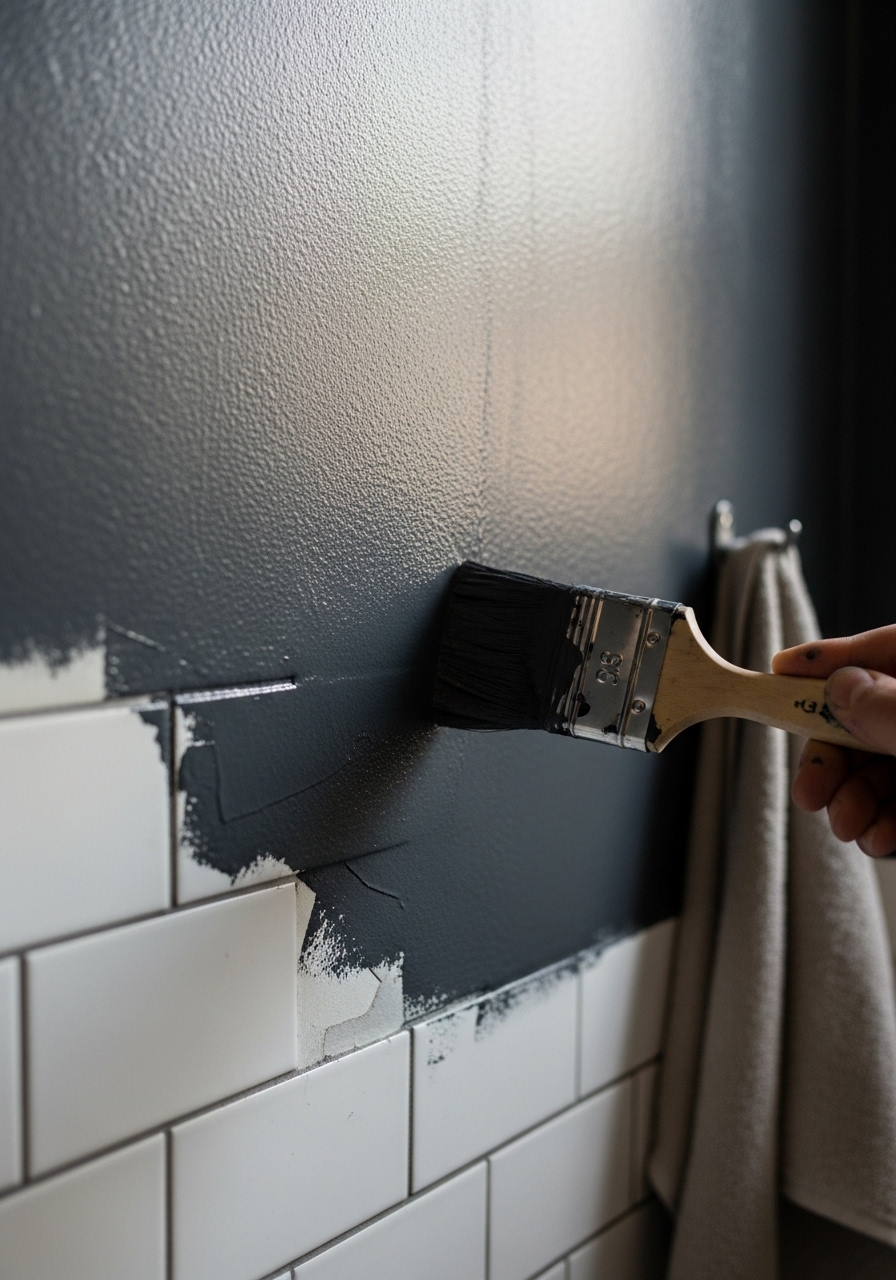
I roll matte charcoal gray on all walls. Ceiling too, if low. It pulls the eye around, makes six-foot height feel taller.
Now walls recede. Space breathes. Brass peeks warmer against it.
Insight: One shade unifies—miss that, and it fragments. Avoid patchiness: Two coats, dry fully between.
Step 3: Add Tile Contrast Low
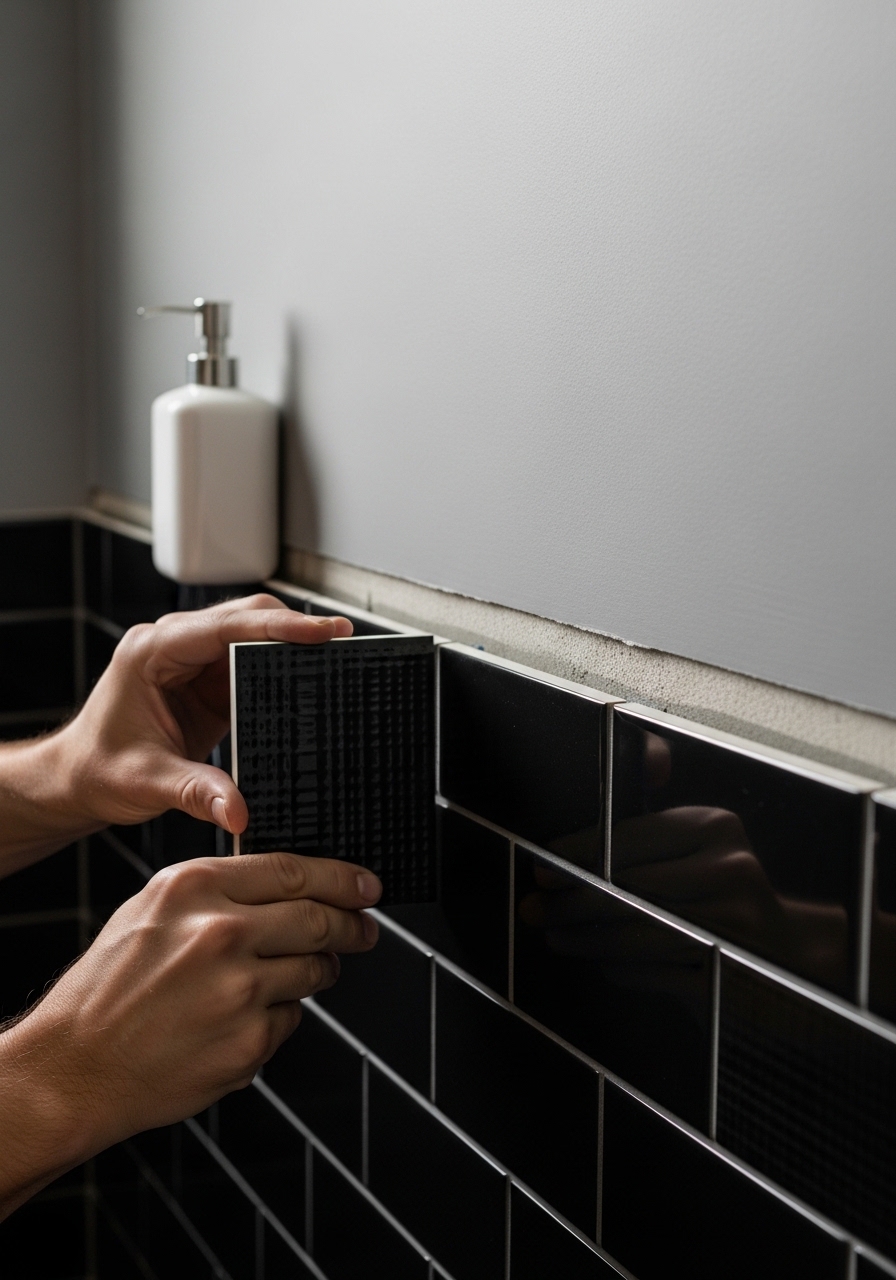
Black matte subway tiles go on the lower half or shower base. Keeps dark grounded, like roots.
Visual change: Floor stays put. Room grounds without shrinking up top.
People overlook tile drawing eyes down—balances heavy walls. Don't over-tile: Halfway up max, or it crowds.
Step 4: Place Mirror and Fixtures High
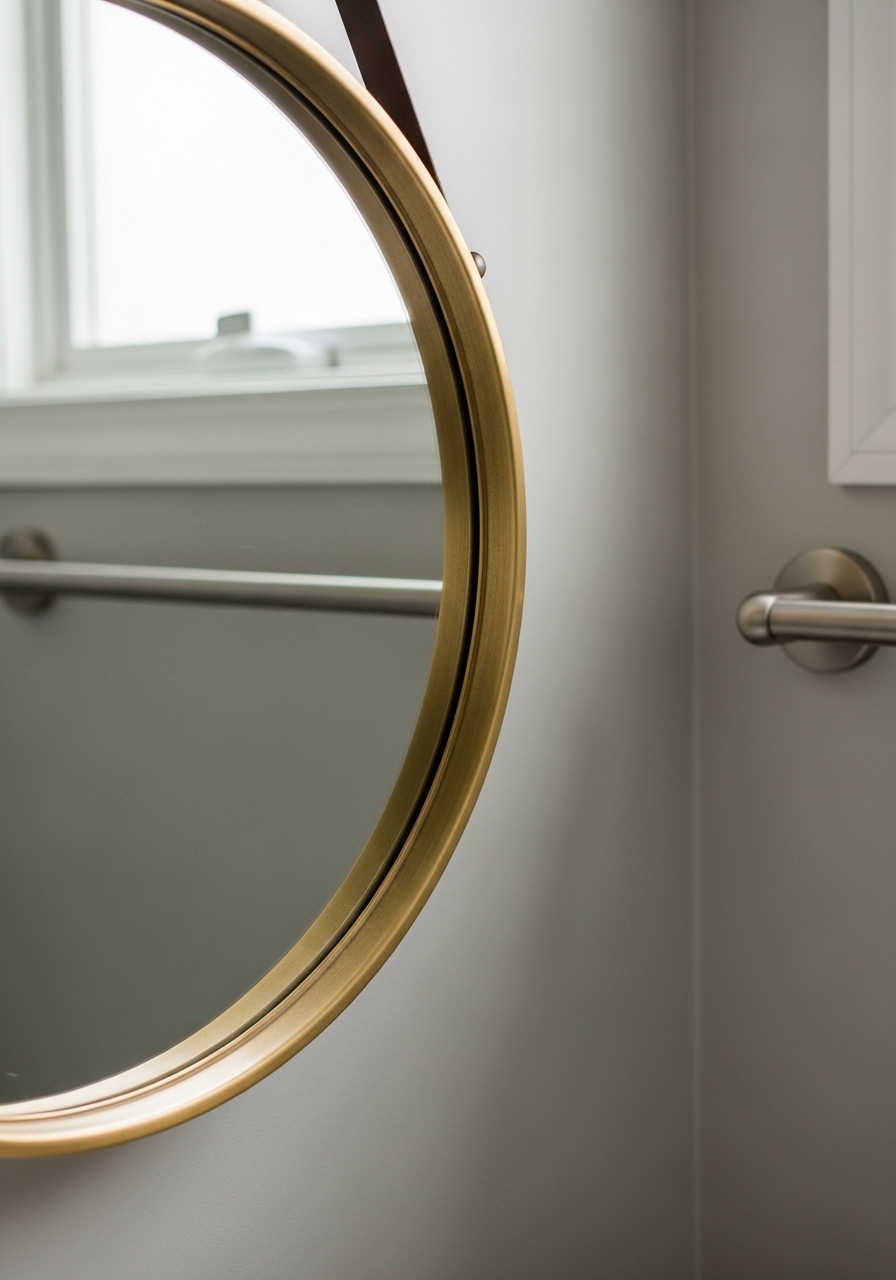
Hang the 24-inch brass mirror opposite the window. Satin nickel bar at eye level. Fixtures pull light across dark.
It doubles the space visually. Warm glow settles in.
Missed insight: Mirror reflects tile sheen—amps balance. Avoid small mirrors—they chop the view.
Step 5: Layer Soft Textures Last
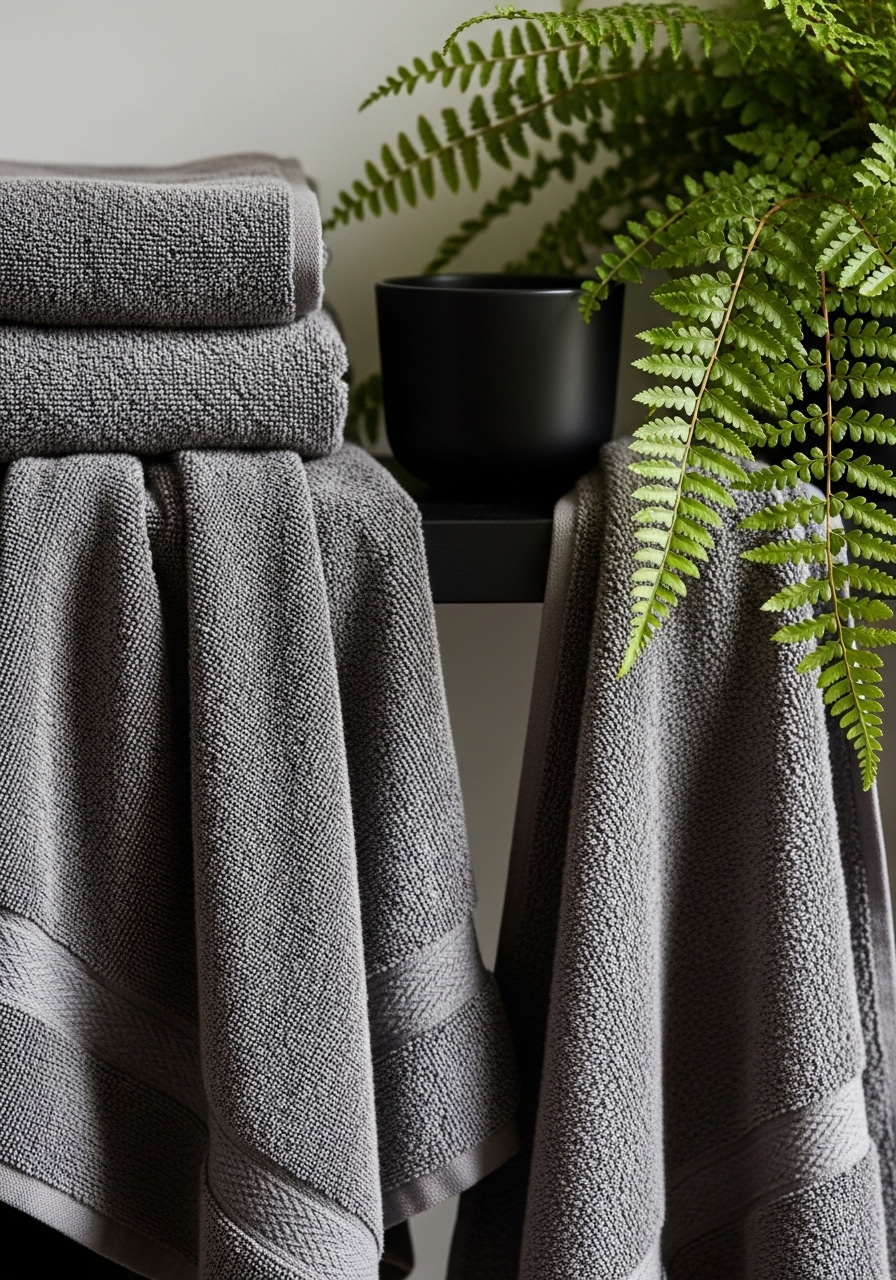
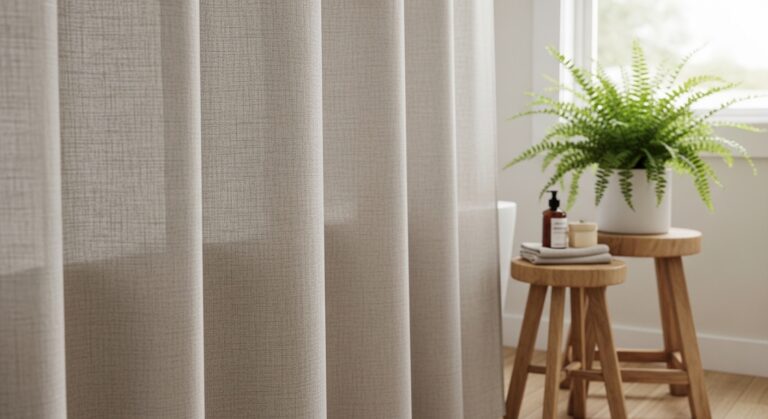
Fold charcoal linen towels loose over the bar. Fern in black pot on a shelf. Soap dispenser tucks beside sink.
Textures break flat dark. Feels lived-in, comfortable.
Key: Layers catch light differently—softens matte walls. Mistake: Stark metal only—add fabric for warmth.
Step 6: Test the Feel at Night
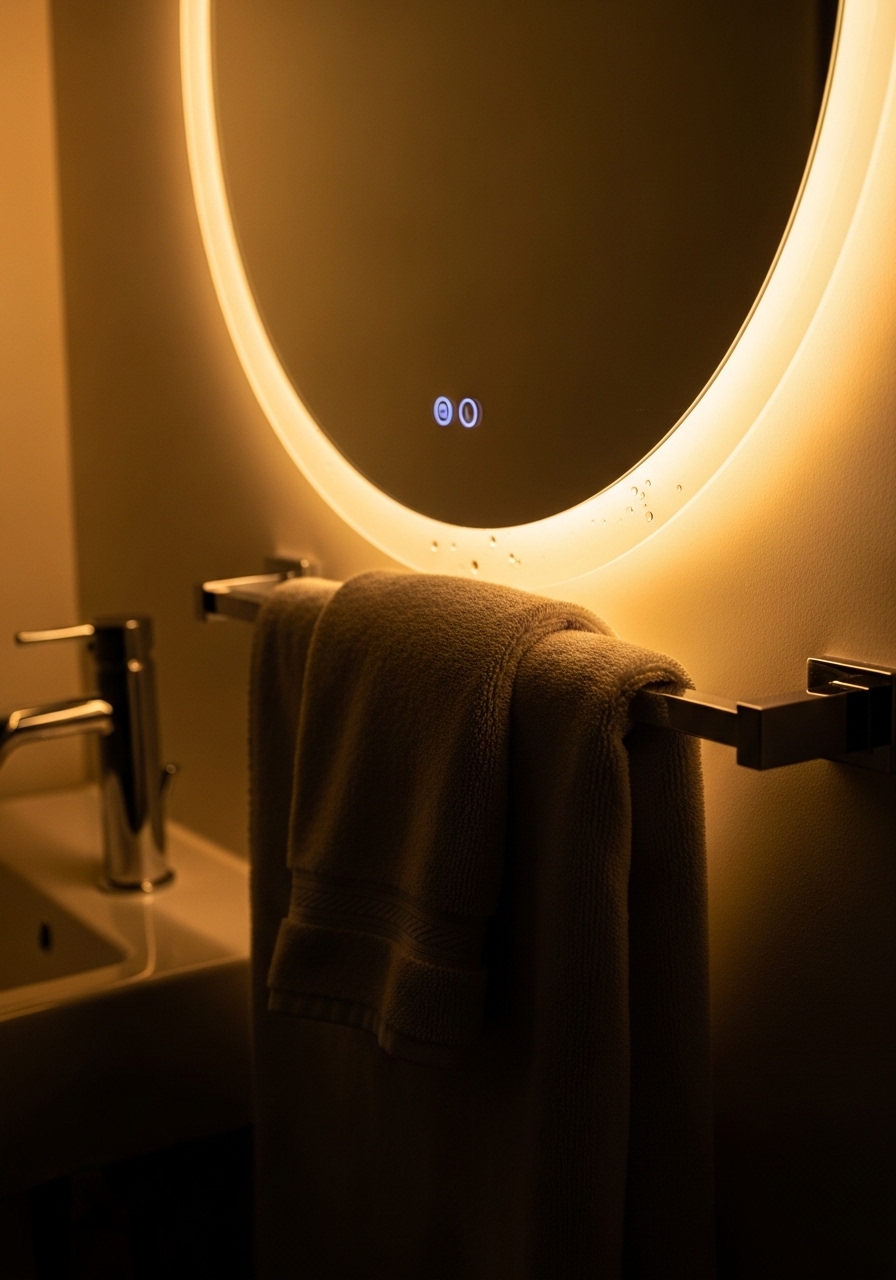
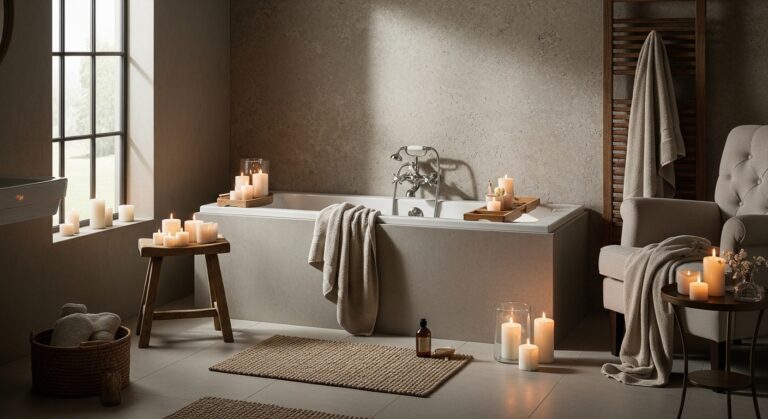
Switch on warm LEDs at dusk. Sit on the edge of the tub. Adjust towel folds if shadows pool wrong.
Night reveals true balance—cozy wrap, not gloom.
Insight: Bulbs at 2700K mimic candlelight on dark. Don't skip: Harsh white kills the mood.
Balancing Light in Dark Spaces
Dark colors hug light tight. In my bathroom, I lean on the window and two LEDs.
- Face window east for morning bounce.
- Bulbs under cabinets spread glow low.
- Skip recessed—too flat.
It keeps the space open. Feels right all day.
Textures That Ground the Dark
Smooth dark can feel cold. I mix matte paint with subway grit and linen folds.
Rough tile anchors. Fabric softens. Brass warms metal.
Result: Layers you touch. Not just look at.
When to Go Deeper or Lighter
My first try was too black. Dialed to charcoal.
If yours feels heavy, swap one wall lighter. Test samples taped up.
North room? Stick dark—it holds mystery.
Final Thoughts
Start with walls. See how it sits a week.
You'll feel the shift to balanced warmth.
Dark small bathrooms work when intentional. Yours will too. Just live in it a bit.