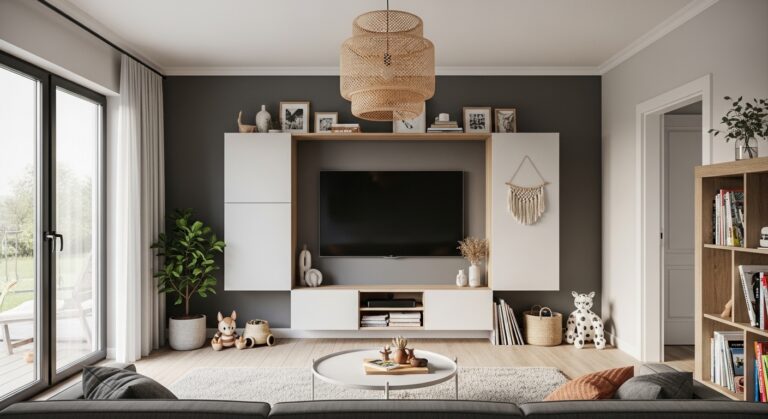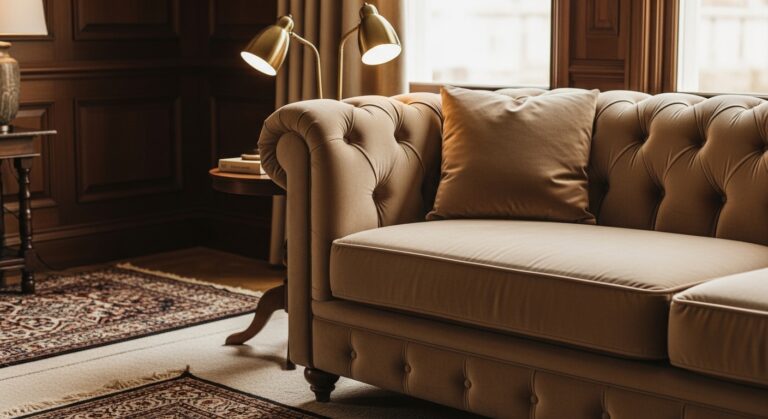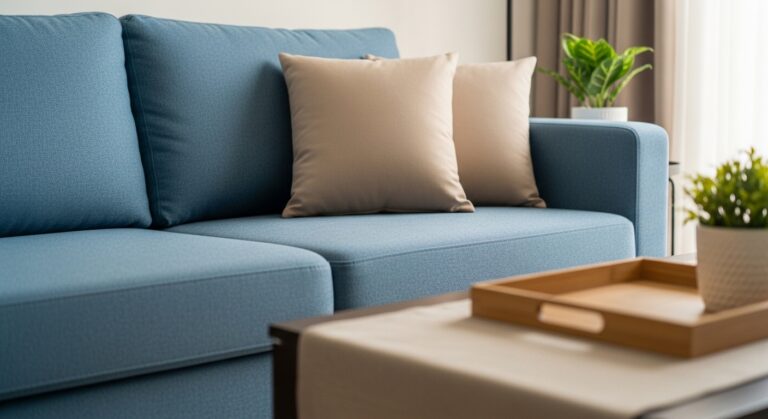
How to Make Living Room Rug Comfortable
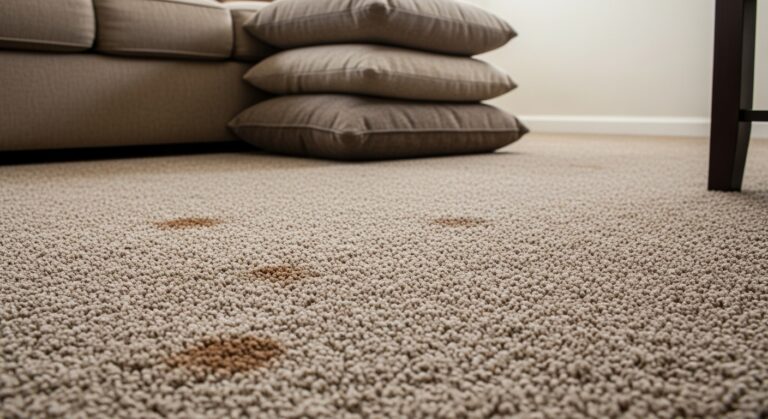
I stepped onto my living room rug one evening. It felt stiff underfoot. Barely cushioned. The whole room seemed colder.
I'd picked a nice wool rug. But walking across it was no better than linoleum. Furniture sat on it awkwardly too.
That flat feeling pulls a space down. I fixed it without replacing the rug.
How to Make Living Room Rug Comfortable
This shows you how I make any living room rug feel soft and grounded. You'll end up with a room where feet sink in comfortably. The space flows warm and balanced. It's simple to do in an afternoon.
What You’ll Need
- 8×10 non-slip wool rug pad, neutral gray
- 5×8 jute accent rug, natural beige
- Thick knit throw blanket, cream wool
- Two 20-inch square lumbar pillows, soft linen
- Low wooden tray, 18-inch round
- Faux sheepskin mat, 3×5 feet, ivory
- Cotton rug layering tape, clear 2-inch wide
Step 1: Anchor the Rug Flat
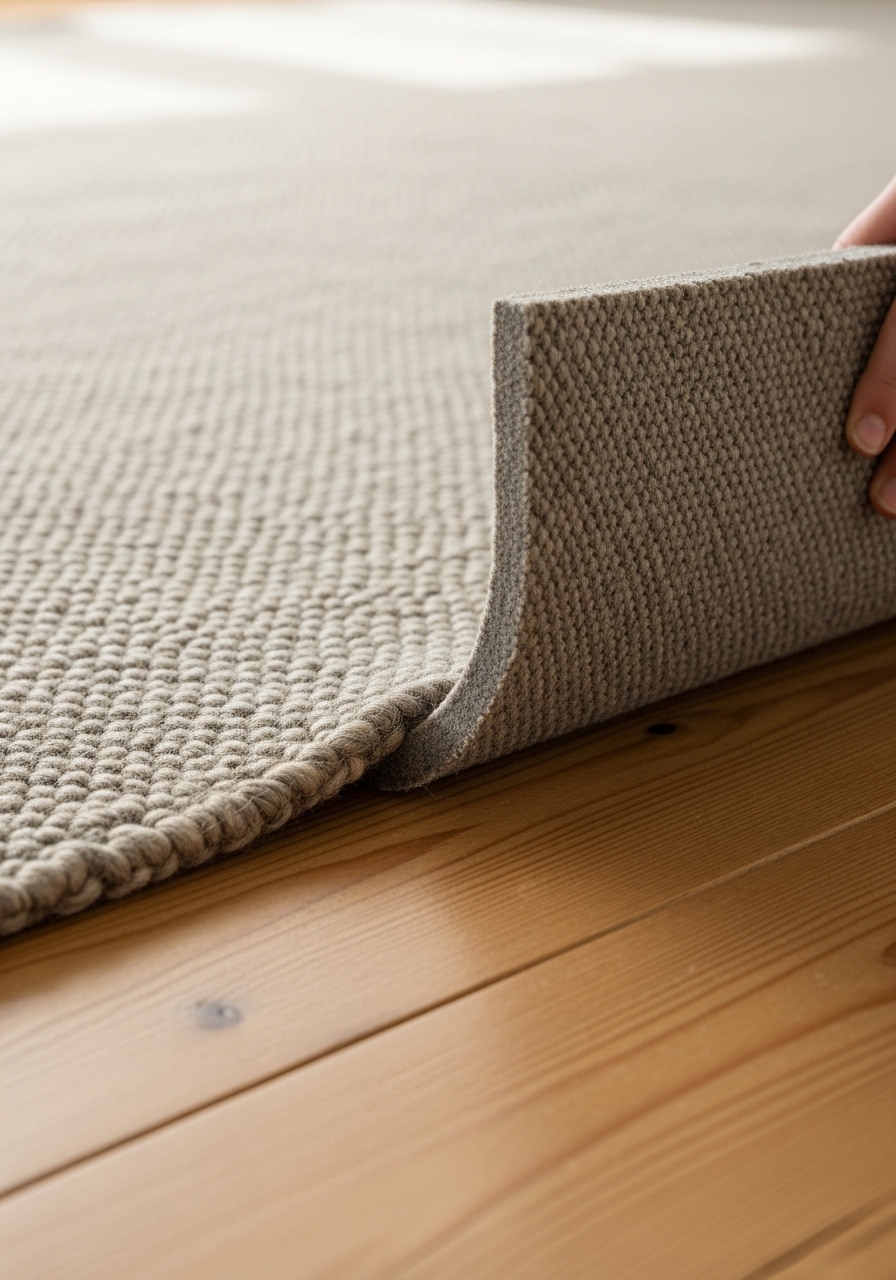
I start by laying the rug pad under my main rug. It grips the floor and adds give. Without it, rugs shift and feel hard.
Visually, the rug sits steady now. Edges don't curl. The room grounds itself.
People miss how much pad thickness changes the walk. Go for at least 1/4 inch. Avoid thin foam—it bunches up fast.
Step 2: Layer a Softer Accent
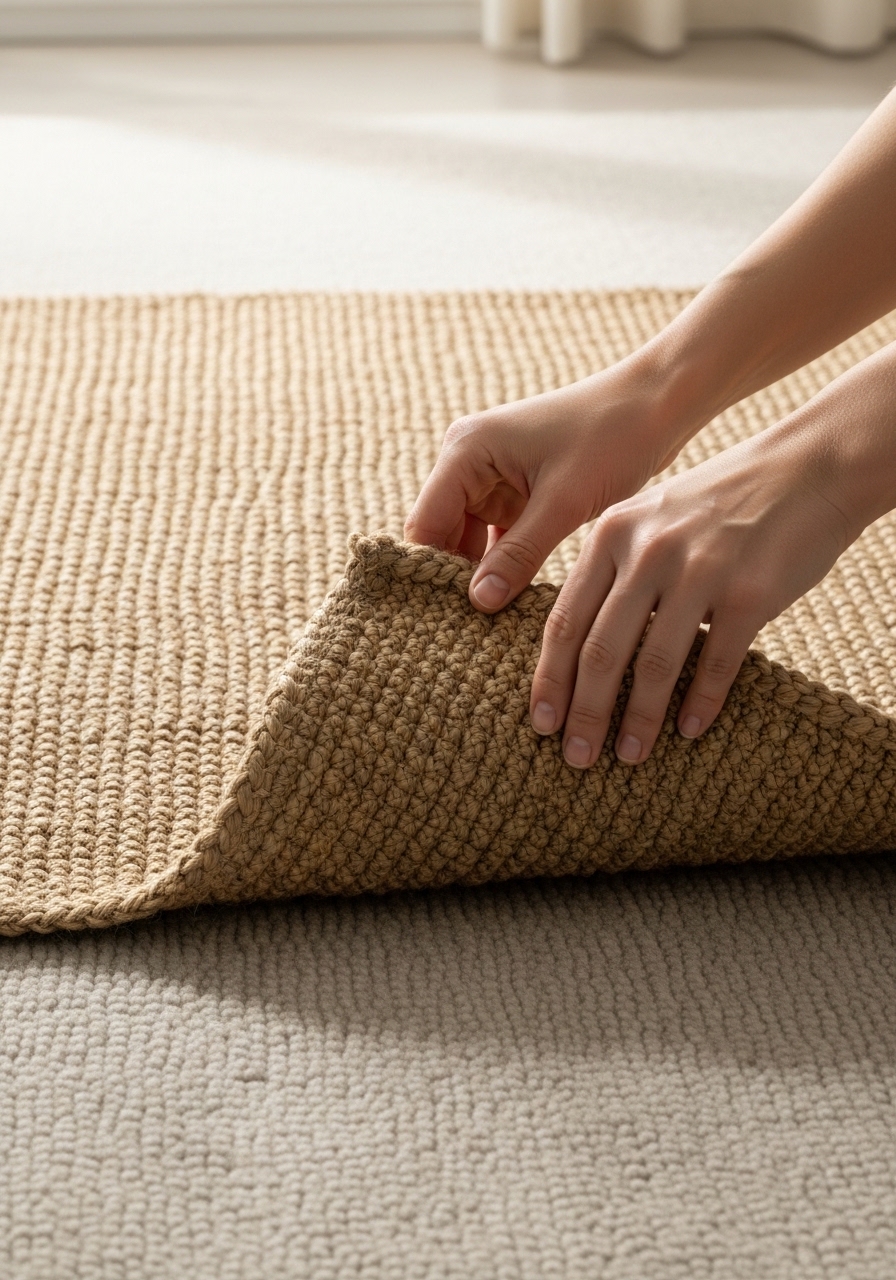
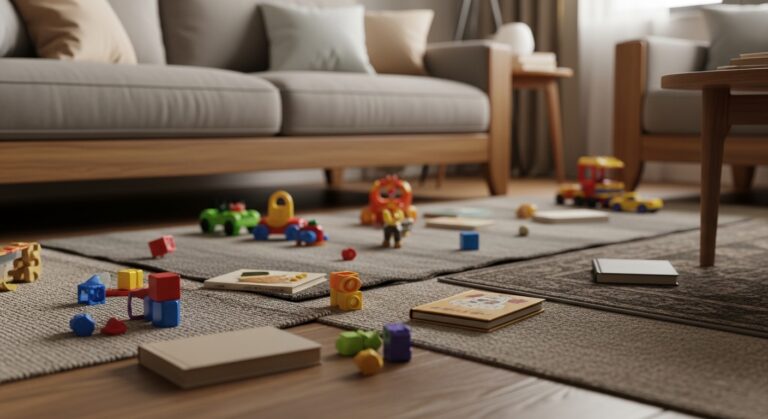
Next, I overlap a jute runner or mat in the main path. It doubles the cushion. Feet sink deeper here.
The layers create warmth. Neutrals blend without clashing. The rug zone feels intentional.
Most skip layering because it seems busy. It isn't if sizes differ. Don't center perfectly—offset for lived-in ease.
Step 3: Position Furniture to Frame It
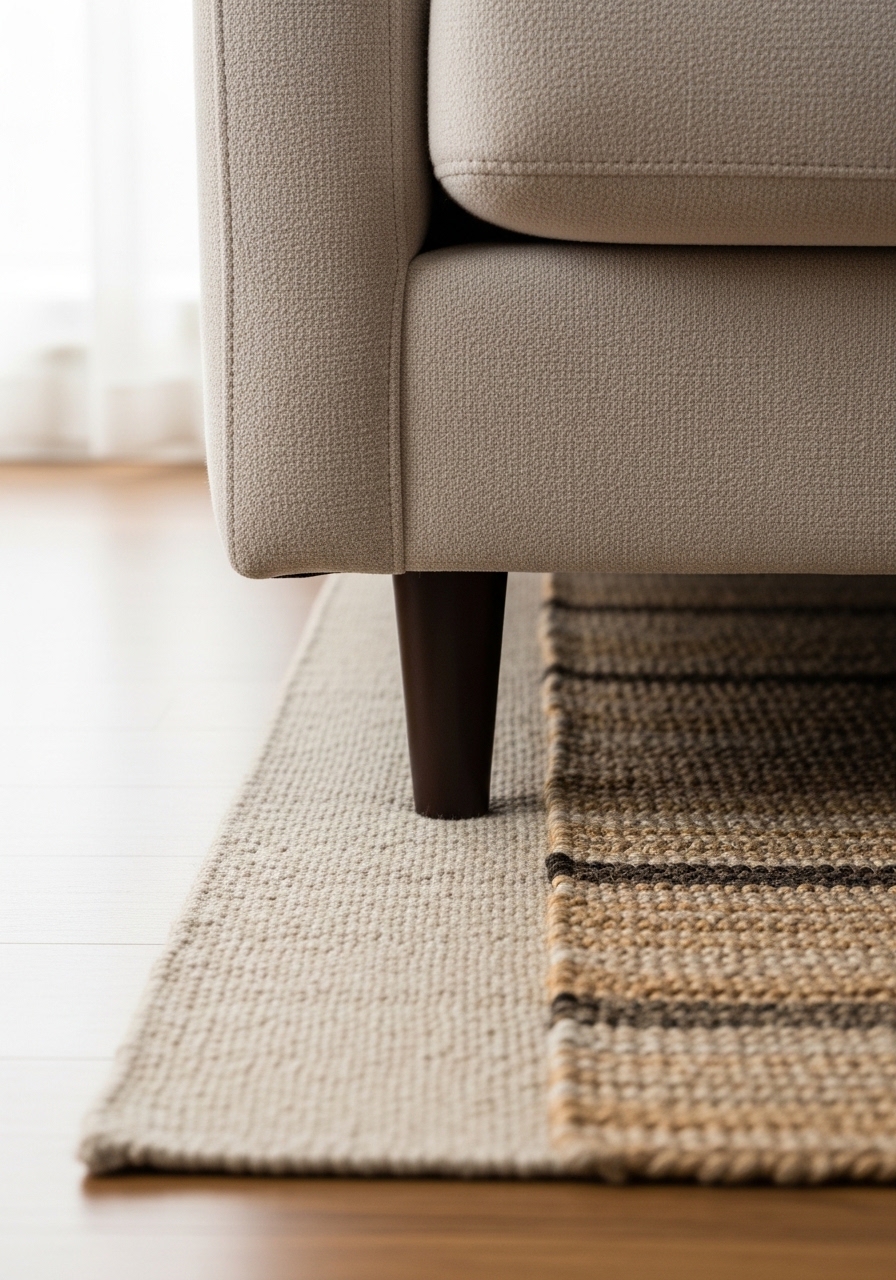
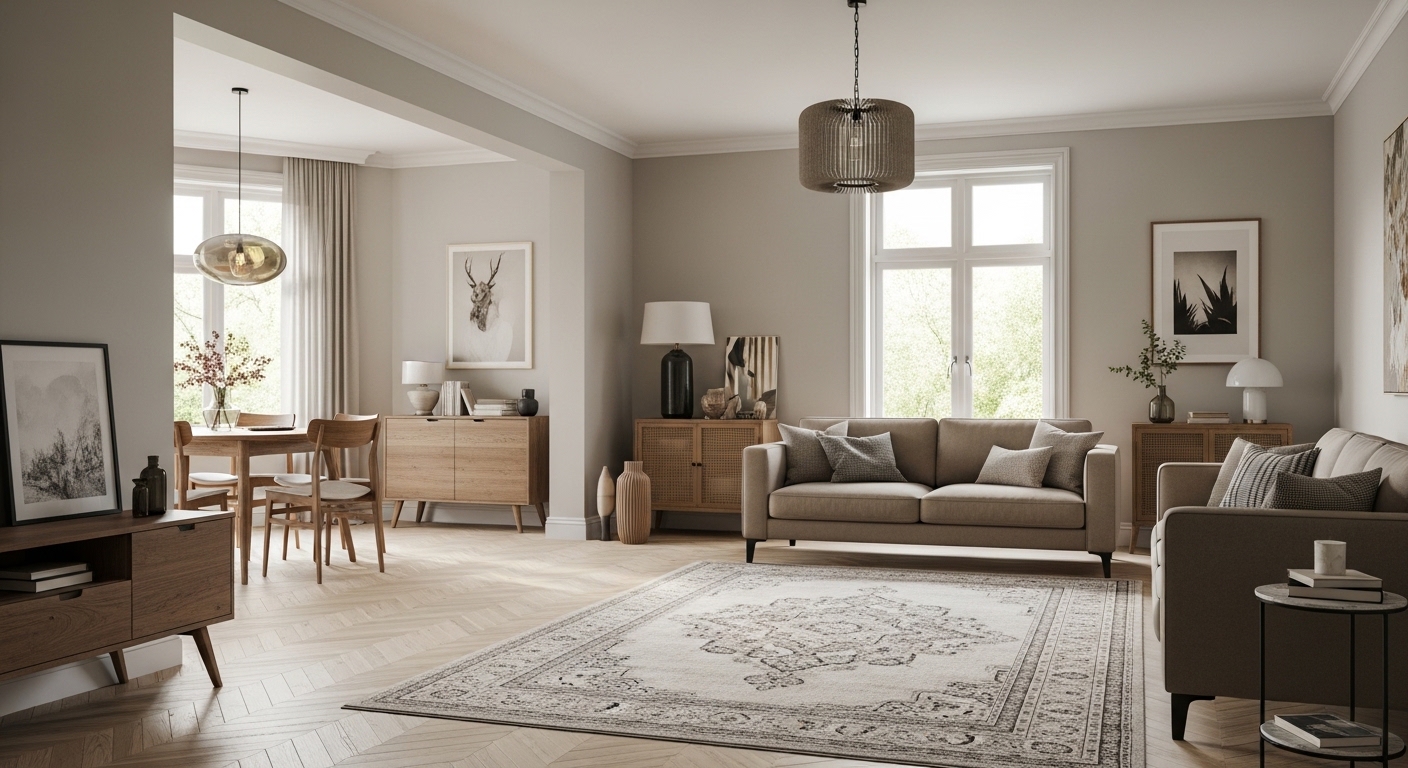
I pull the sofa and chairs so front legs sit on the rug. Back legs stay off. It holds everything steady.
Now the rug defines the seating area. No floating island look. Balance feels right.
Folks forget scale—rug too small leaves legs off. Measure twice. Avoid pushing all furniture fully on; it pinches the pile.
Step 4: Add Underfoot Extras
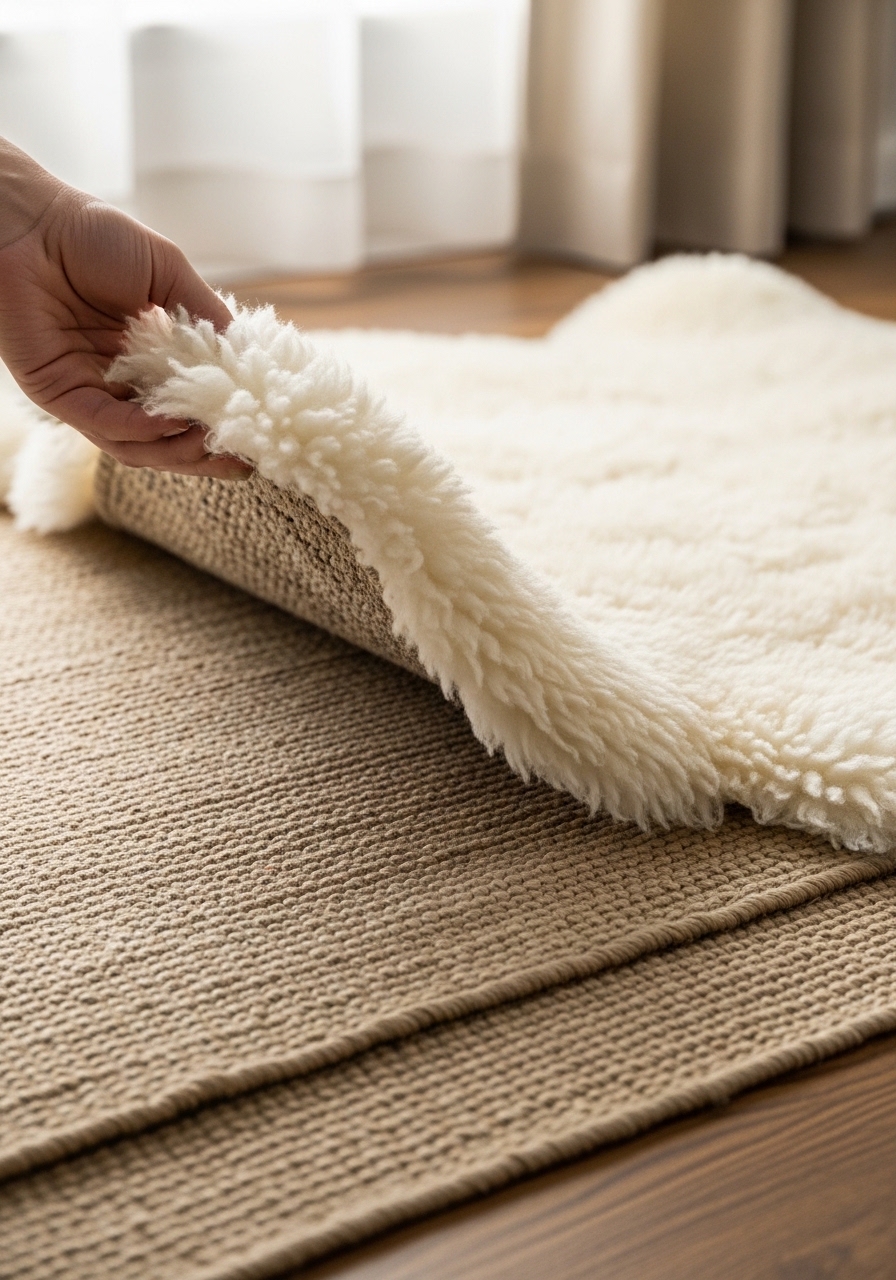
I drop a sheepskin or knit throw in high-traffic spots. Like by the chair. Instant plush.
Texture pops now. The floor zone invites bare feet. It's cozy without fuss.
The insight: small mats bridge hard floor gaps. People overlook them. Don't stretch one rug everywhere—it thins out.
Step 5: Soften the Surround
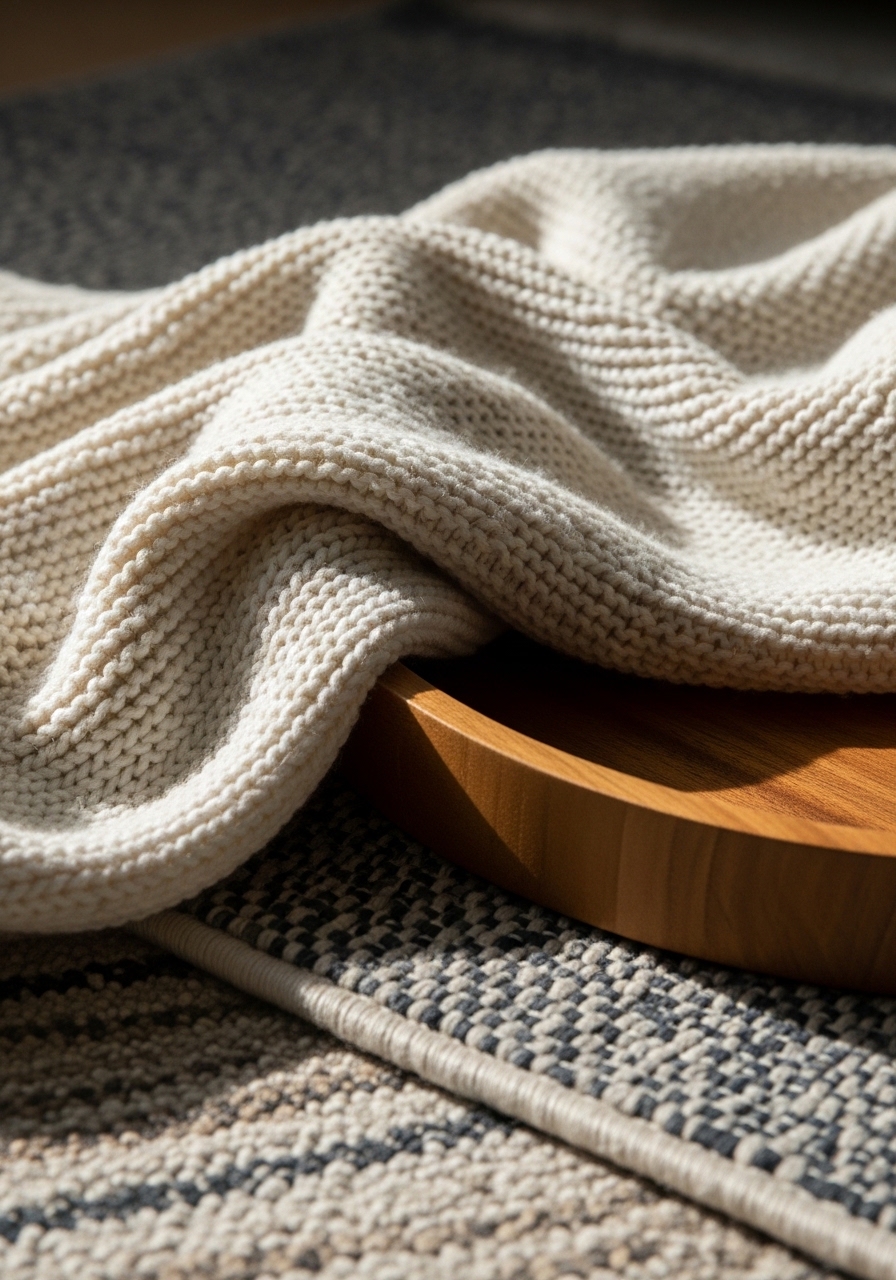
Finally, I drape a throw nearby or set pillows on chairs. They echo the rug's softness visually.
The whole area ties together. Warmth spreads. No stark contrasts.
Many miss how nearby items amplify feel. One blanket shifts the vibe. Avoid stiff decor—it fights the rug's give.
Why Rug Comfort Pulls the Room Together
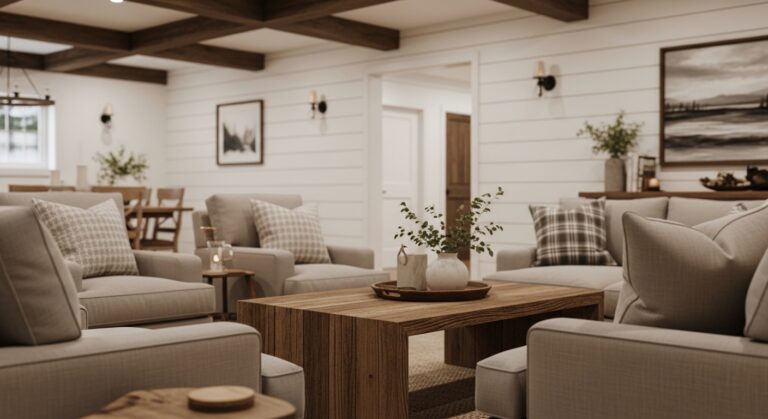
A comfortable rug changes how you use the living room. Feet relax. Conversations linger.
It balances hard floors and wood tones. Everything settles.
- Test by walking blindfolded—does it feel even?
- Check from the doorway: does the rug zone invite?
Without it, chairs feel perched. The space stays tense.
Handling Different Rug Sizes
My 8×10 works for most rooms. Smaller? Layer bolder.
Scale to traffic. High-use spots get extra pad.
- 9×12 for big spaces: center under all legs.
- 5×8: path only, sofa fronts on.
- Odd shapes: trim pad to fit—no bunching.
It keeps flow clean.
Quick Fixes for Wear
Rugs flatten over time. I vacuum weekly, pad-side up monthly.
Rotate quarterly. Freshens high-traffic edges.
- Spot clean with baking soda shake.
- Air outside in shade—revives pile.
Stays comfortable year-round.
Final Thoughts
Try one layer first. See how feet respond.
You'll notice the shift right away. The room holds you better.
It's just placement and a few pads. Your living room will feel right.