How to Paint Kitchen Wall for Kids Creatively
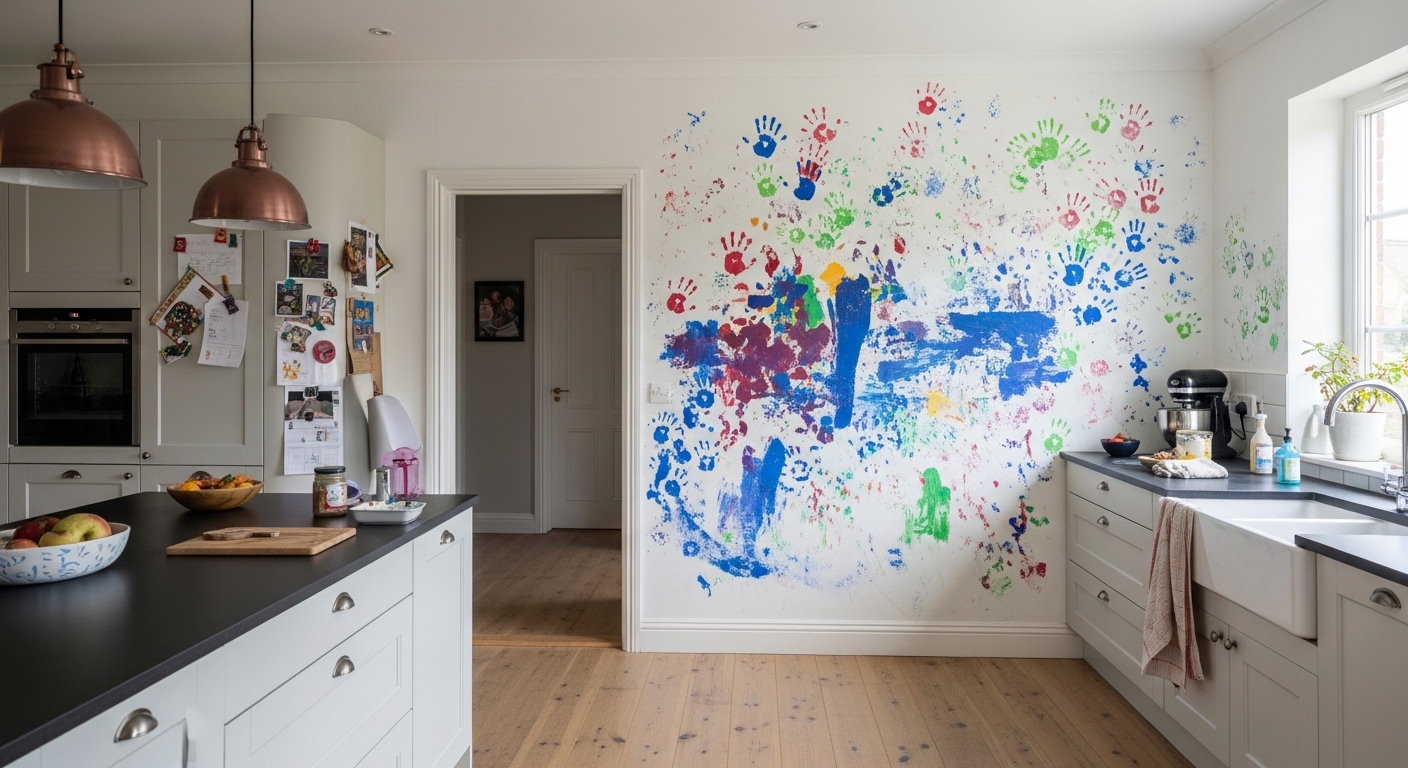
I stared at that plain kitchen wall every morning. Kids' crayons scattered nearby, but the space felt flat. No energy, just white paint chipping a bit.
I wanted color that matched their play—fun, but not overwhelming the counters and table.
One afternoon, I grabbed paints they could touch. Now, that wall pulls the room together.
How to Paint Kitchen Wall for Kids Creatively
This shows you how I paint one kitchen wall to feel playful and balanced for kids. You'll end up with a lived-in spot that sparks their imagination without cluttering the space. It's simple, and it works every time.
What You’ll Need
- Washable kids' acrylic paints (set of 8 pastel colors, 4 oz each)
- Low-VOC matte base paint (soft cloud gray, 1 quart)
- Removable painter's tape (2-inch wide roll, blue)
- Natural sea sponge (medium size, 5-inch diameter)
- Fine artist's brush (size 4, synthetic bristles)
- Clear matte sealant (child-safe, 16 oz spray)
- Drop cloth (cotton canvas, 6×9 feet)
Step 1: Choose and Tape Your Wall Section
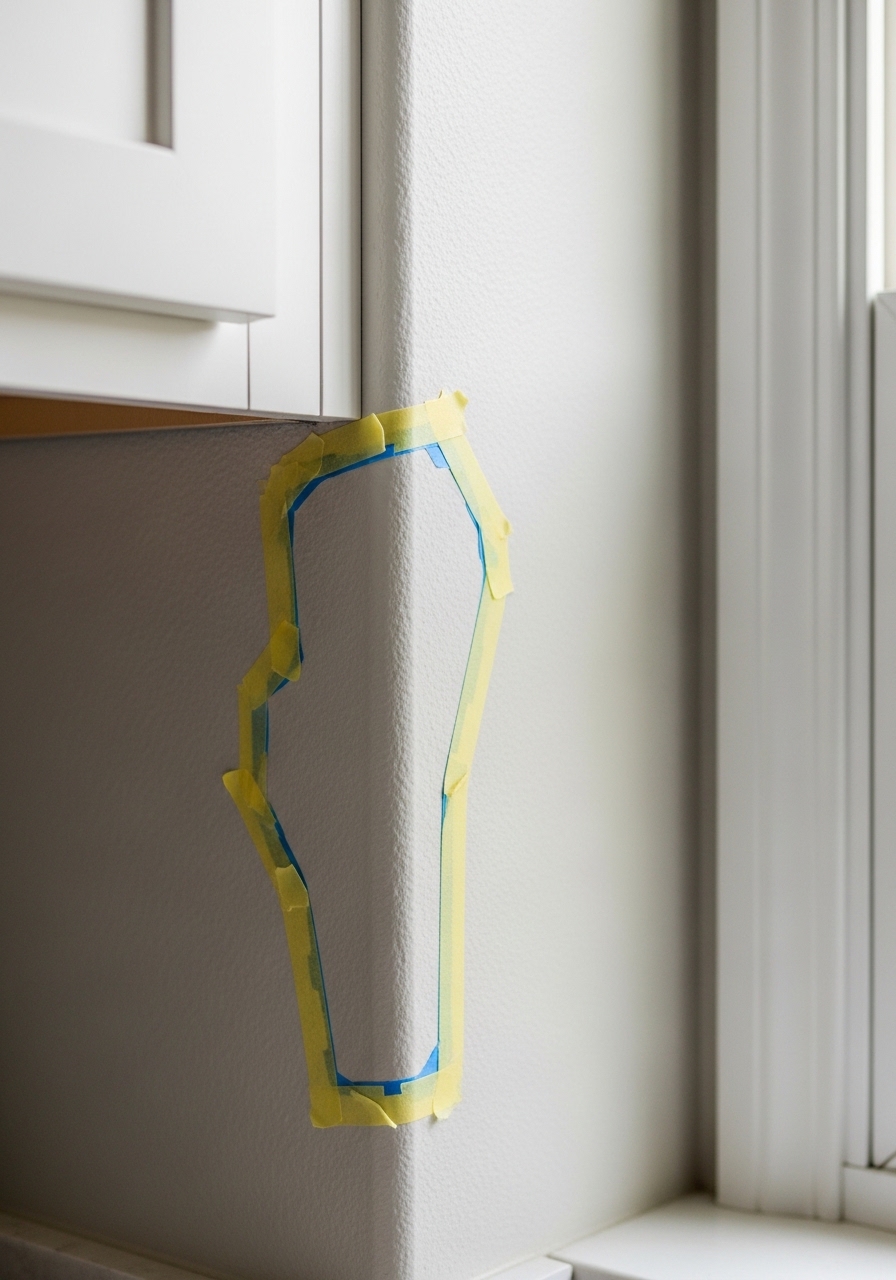
I pick the wall behind the table—the one kids see most. It gets morning light, so colors stay soft. Tape outlines a big, irregular shape, like a cloud or wave. This keeps the paint contained, focusing energy there.
Visually, the taped area stands out, promising fun without taking over. People miss how boundaries make chaos feel balanced—tape tricks the eye into seeing intention.
Skip measuring perfectly; slight wobbles add life. Straight lines feel cold here.
Now the wall waits, ready for base color. It shifts from blank to expectant.
Step 2: Apply the Soft Base Layer
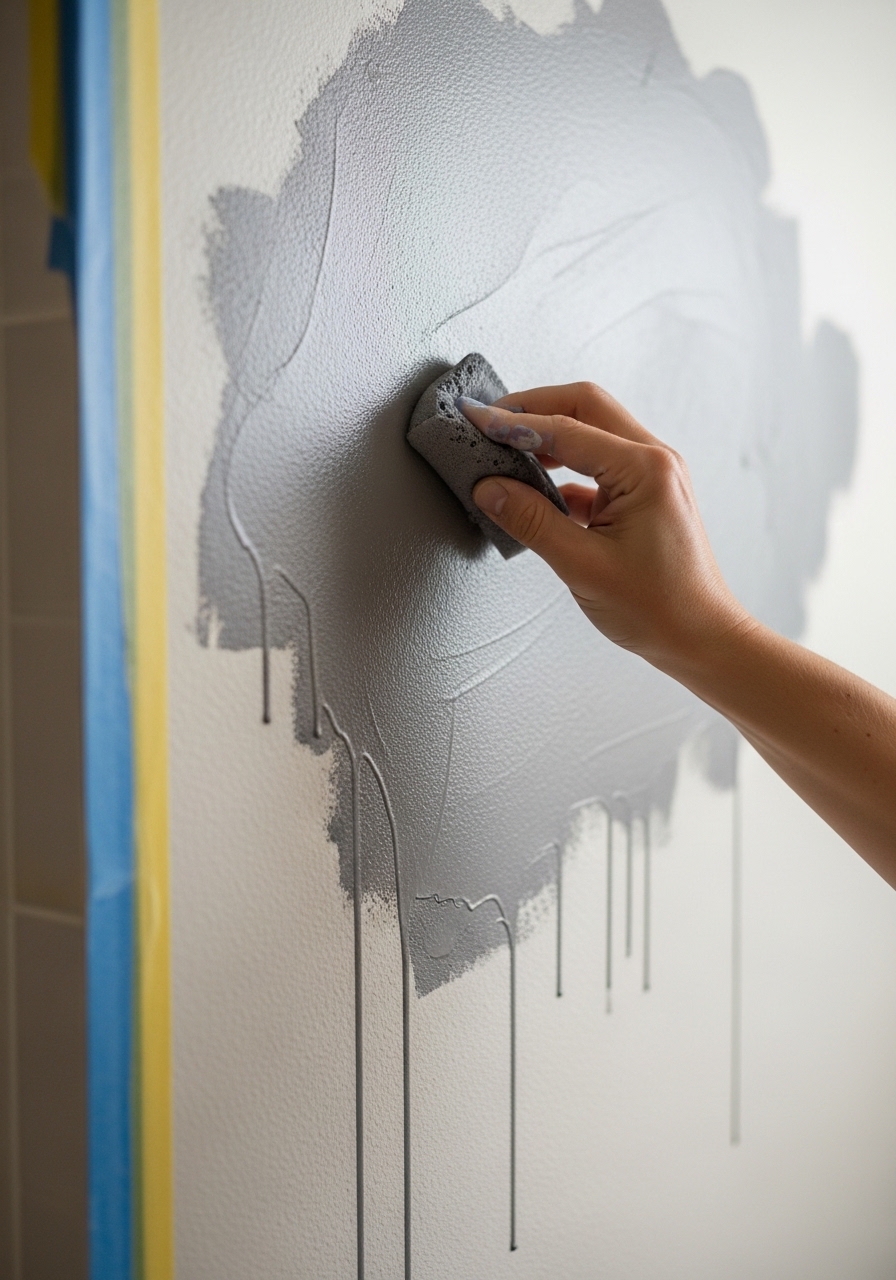
I dab the sea sponge in cloud gray base paint. Pat it on lightly, overlapping strokes. Why? It mutes the wall's old texture, creating a calm canvas for kids' touches.
The change is subtle—wall warms from stark white to gentle haze. Light bounces softer now. Most overlook how a neutral base grounds bright kid colors; without it, they clash.
Don't brush it smooth; sponge keeps it lived-in, breathable. Flat paint looks store-bought.
Dry time lets dust settle. Wall feels settled, inviting next layers.
Step 3: Let Kids Add Handprints and Dots
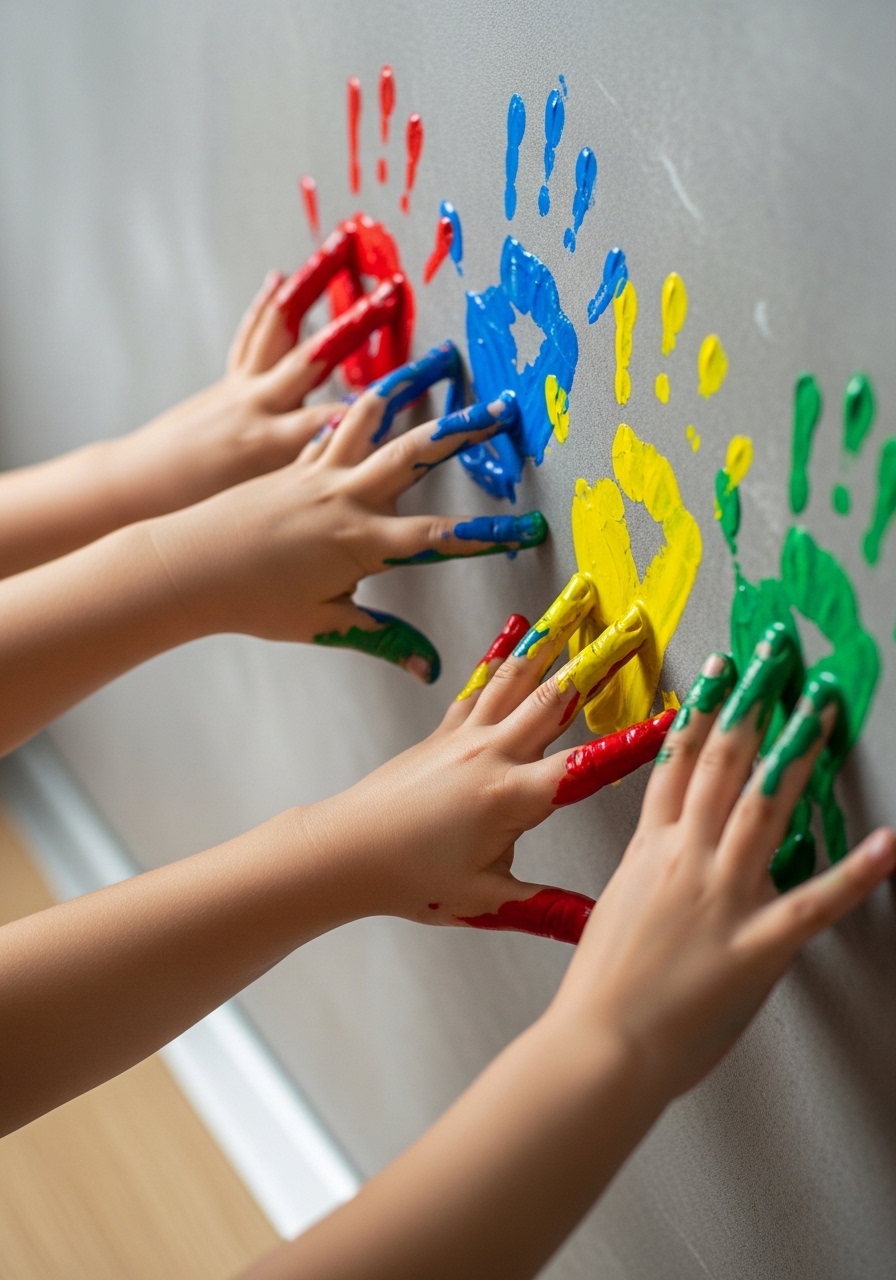
I set out pastel paints nearby. Kids dip hands, press them on—small prints low, bigger ones up. Dots from fingers follow, clustering loosely.
It blooms with their marks; wall gains warmth, personality. Balance comes from spacing—empty spots near edges let it breathe. Parents forget: kid involvement fades if you over-direct; let prints wander.
Avoid thick globs; thin layers dry fast, stay clean. Mess elsewhere, not wall.
Now it hums with life, pulling eyes comfortably.
Step 4: Layer Subtle Patterns
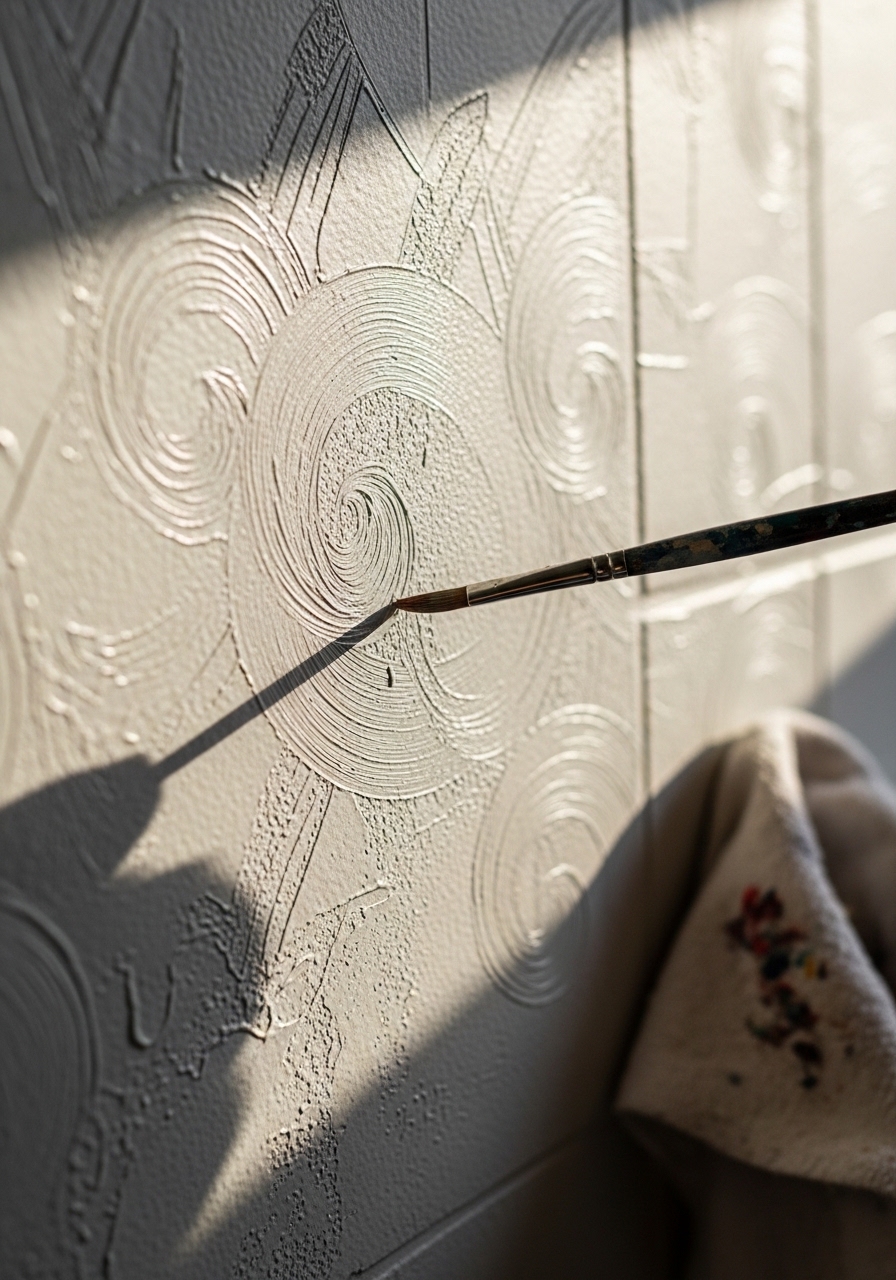
With the fine brush, I add loose swirls or stars linking prints. Light touches in matching pastels. This connects their chaos into flow.
Visually, patterns tie it—wall feels cohesive, not random scribbles. Insight: faint lines create depth; bold ones overwhelm counters.
Don't outline neatly; freehand keeps it comfortable. Precision kills the kid vibe.
It settles into balance, ready for seal.
Step 5: Seal and Step Back
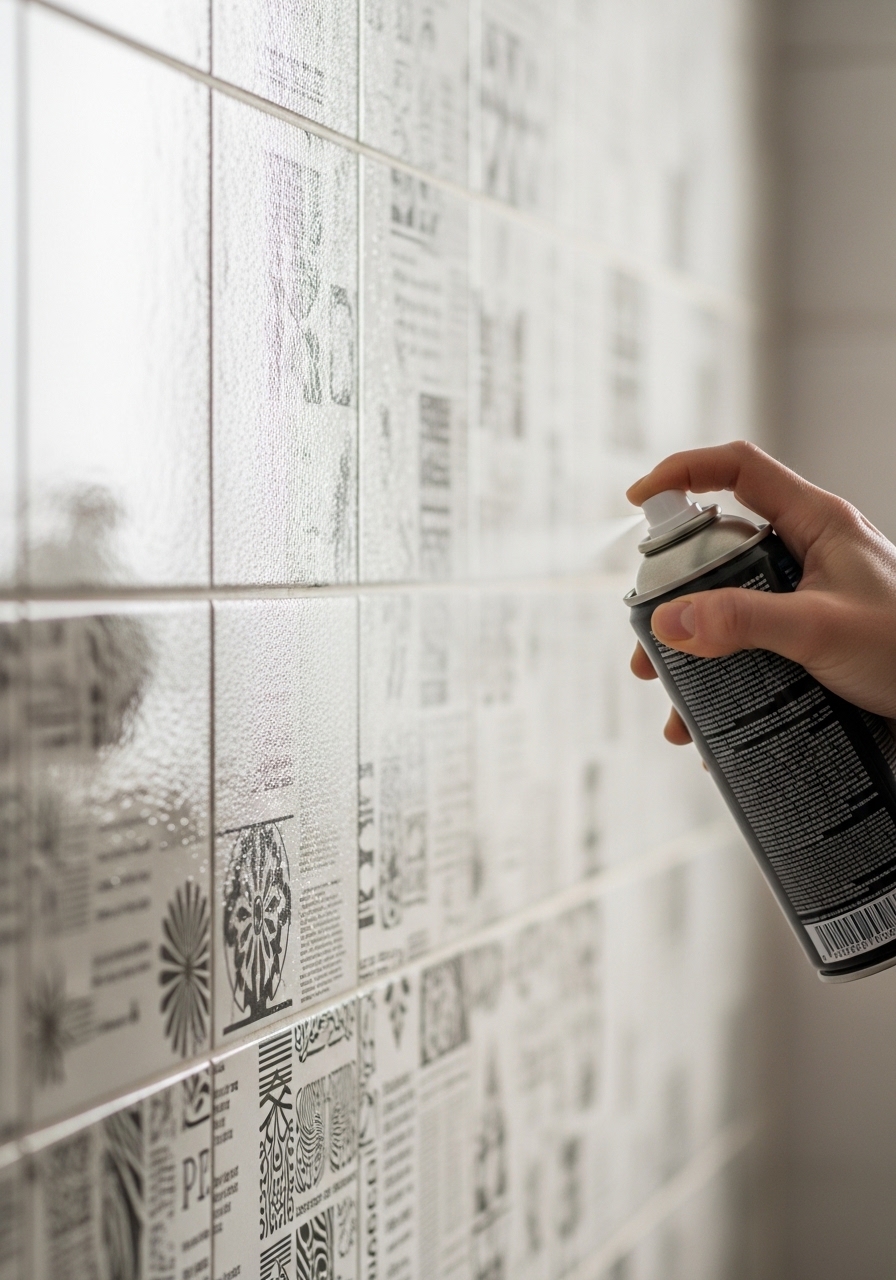
I mist clear sealant evenly, two light coats. Dries fast, protects without shine.
Wall gains quiet durability; colors hold through splashes. Change: it feels finished, intentional. Many miss sealing's role in longevity—unsealed fades quick.
Don't overspray; matte stays cozy. Too much yellows over time.
Step back. Kitchen flows better, kids smile at their wall.
Choosing Kid-Friendly Colors
Pastels work best in kitchens. They play with light without tiring eyes.
I stick to soft blues, yellows, pinks. They balance white cabinets.
- Test on paper first—see how they shift in your light.
- Mix two for prints; pure brights fight the room.
- Gray base tempers everything.
One wall only. More feels busy.
Involving Kids Without Mess
Sit them at table height. Paints on tray.
Guide loosely: "Press here." Their pride lasts.
- Use washable only—wipes clean.
- One color per hand turn.
- End with rinse station nearby.
Kitchen stays usable. Fun sticks.
Keeping It Fresh Over Time
Wipe gently weekly. Mild soap.
Touch up prints yearly—same paints match.
- Avoid abrasives; dulls sponge texture.
- Reposition toys away; prevents smudges.
- Watch fading near sink.
It ages gracefully, like family photos.
Final Thoughts
Start with one small section. See how it settles the room.
You'll notice kids linger there, calmer.
That wall isn't perfect. It's theirs, balanced in real life. Yours will feel right too.