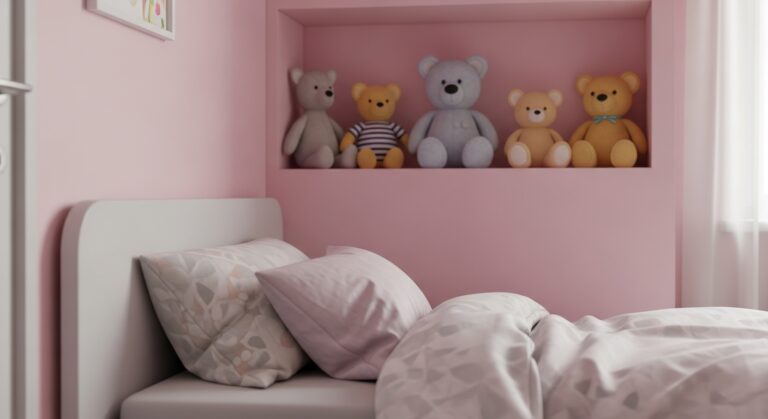
How to Design Super Small Bedroom Layout Like a Pro
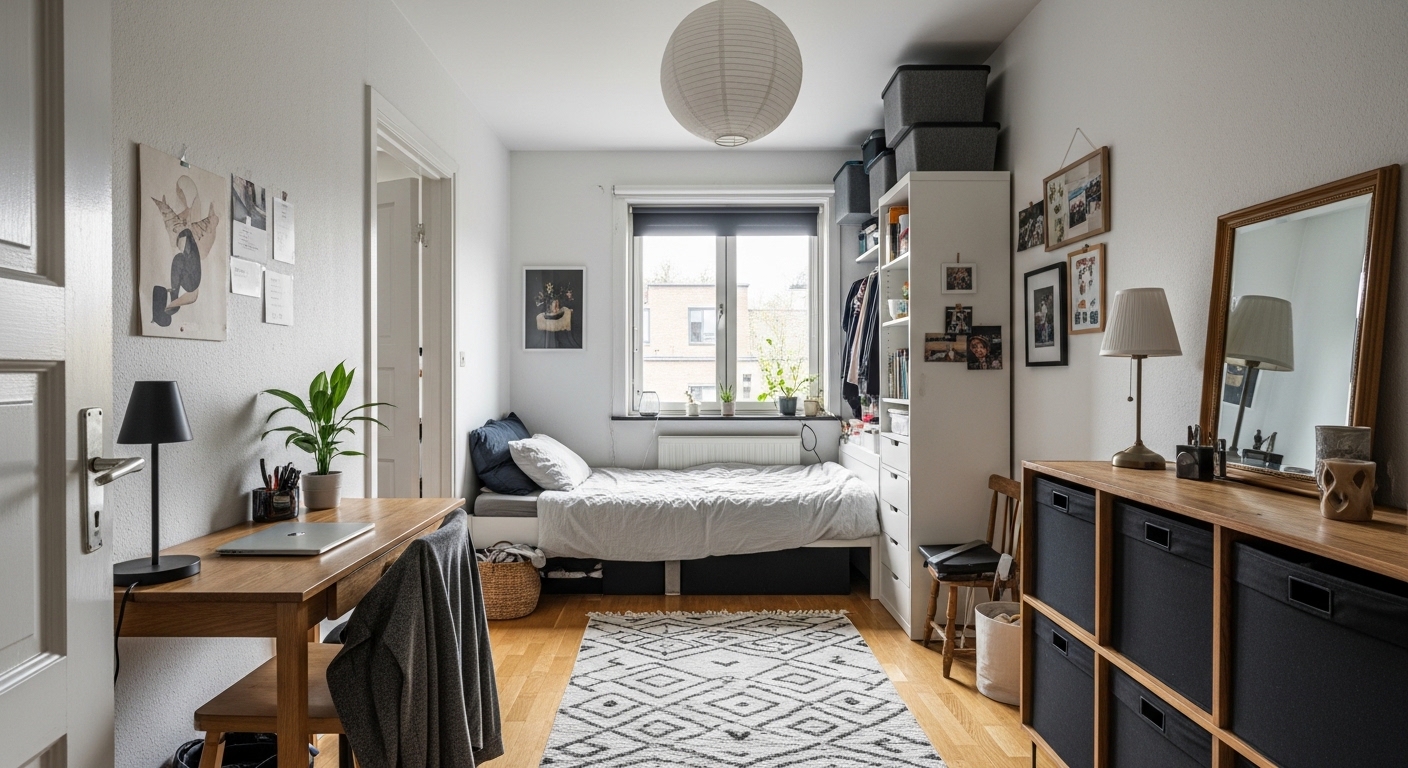
I squeezed a full bed into my tiny rental bedroom once. It blocked the window and left no room to walk. Nights felt cramped. Mornings were chaos.
I stood there, staring at the mess. How do you make a space this small work?
It took a few tries. Now I know a simple way to lay it out right.
How to Design Super Small Bedroom Layout Like a Pro
I'll walk you through how I design super small bedroom layouts. You'll get a room that breathes—balanced, with paths to move and spots to rest. It feels comfortable, not crowded. This works every time.
What You’ll Need
- Low-profile platform bed (queen, painted white)
- Slim floating nightstand (walnut, 12 inches deep)
- Wall-mounted shelf (36×8 inches, oak)
- Full-length leaning floor mirror (slim wood frame)
- Neutral area rug (5×7 feet, low-pile wool)
- Small bedside sconce (matte black, adjustable arm)
- Sheer linen curtains (floor-length, ivory)
- Woven storage baskets (two medium, natural seagrass)
Step 1: Clear the Floor and Pick Your Anchor

I start by pulling everything out. The floor needs to show its shape. Then I place the bed as my anchor—tucked against the longest wall, headboard centered under the window if possible.
This opens up the room right away. You see paths form. Visually, it shifts from chaos to calm.
People miss how the bed's position sets the mood. It pulls your eye first. Avoid pushing it into a corner—it traps you.
I step back. Air moves better now.
Step 2: Build Vertical Lines for Height
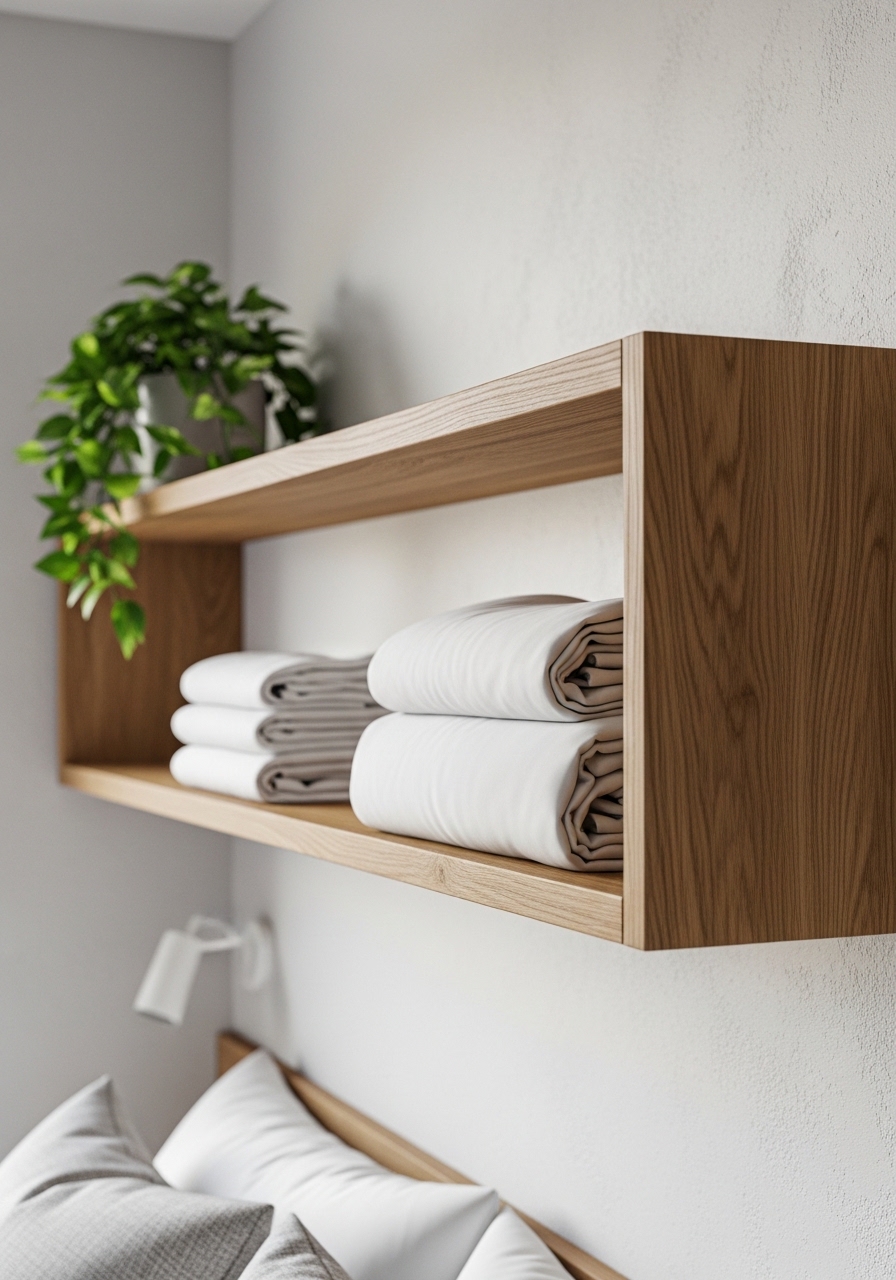
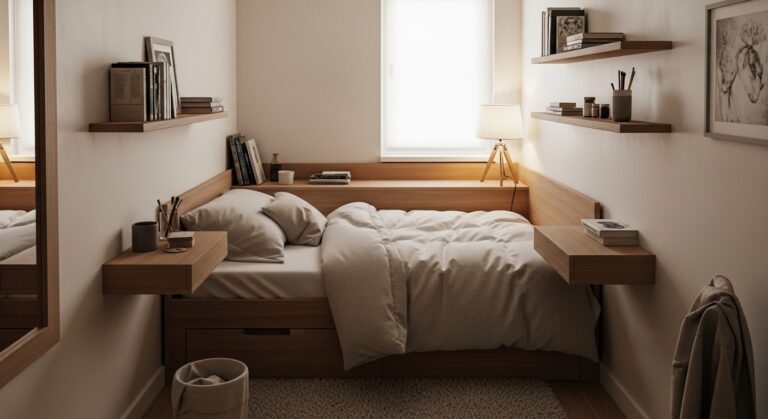
Next, I add height with the wall-mounted shelf above the bed. It draws eyes up, making the ceiling feel taller. No bulky furniture blocking the floor.
The room stretches visually. Walls seem farther apart.
Most forget vertical space in tiny rooms. It's free real estate. Don't overload the shelf—keep it light, three to five items max.
I balance it side to side. The space feels taller, less boxy.
Step 3: Layer in Storage Without Bulk
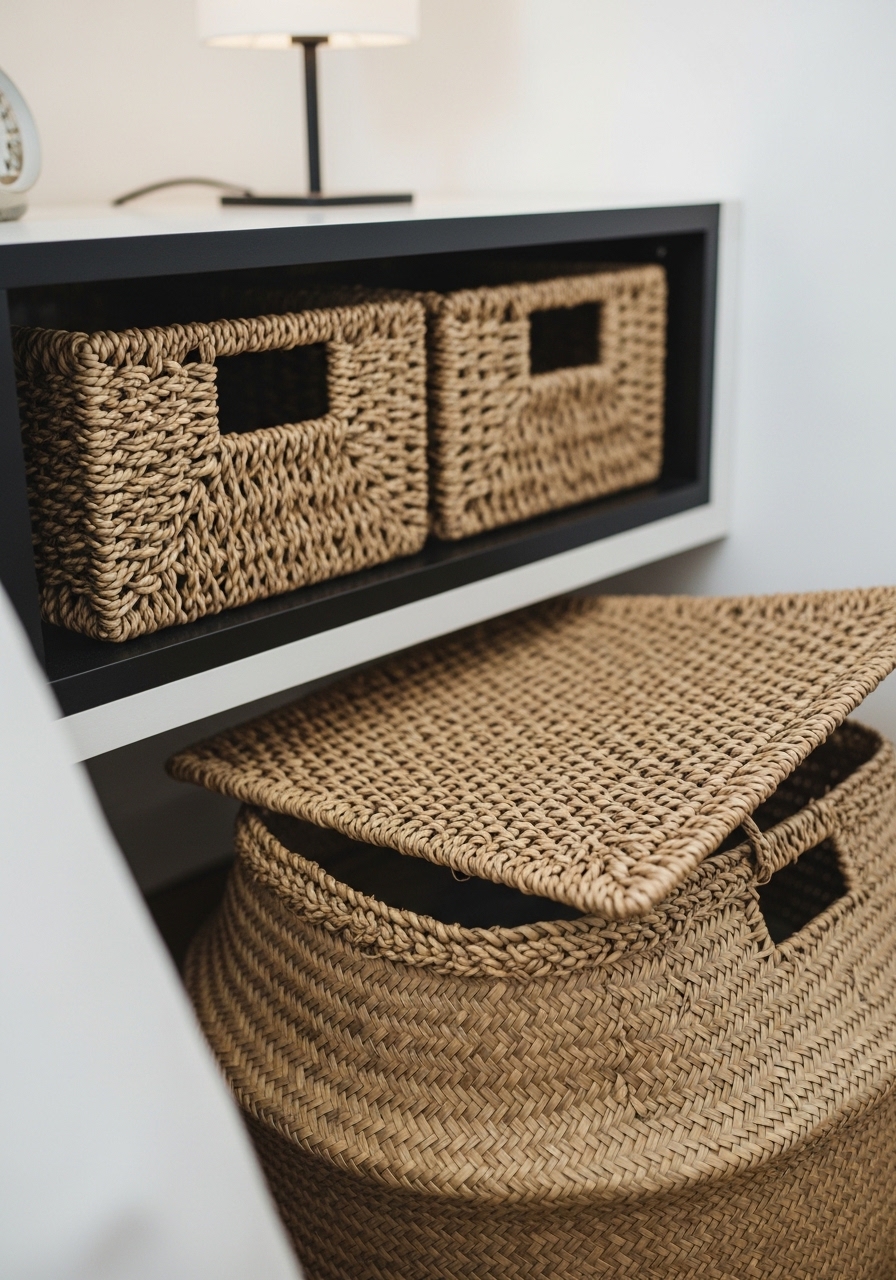
I slide the floating nightstand beside the bed, then tuck baskets underneath. They hold clothes or books without eating floor space.
Now there's a spot for essentials that feels steady. The bedside area grounds the layout.
Folks cram in big dressers—big mistake. It chokes the flow. Use under-bed or wall options instead.
I test it: Can I reach my lamp easy? Yes. Room flows.
Step 4: Mirror and Rug for Depth
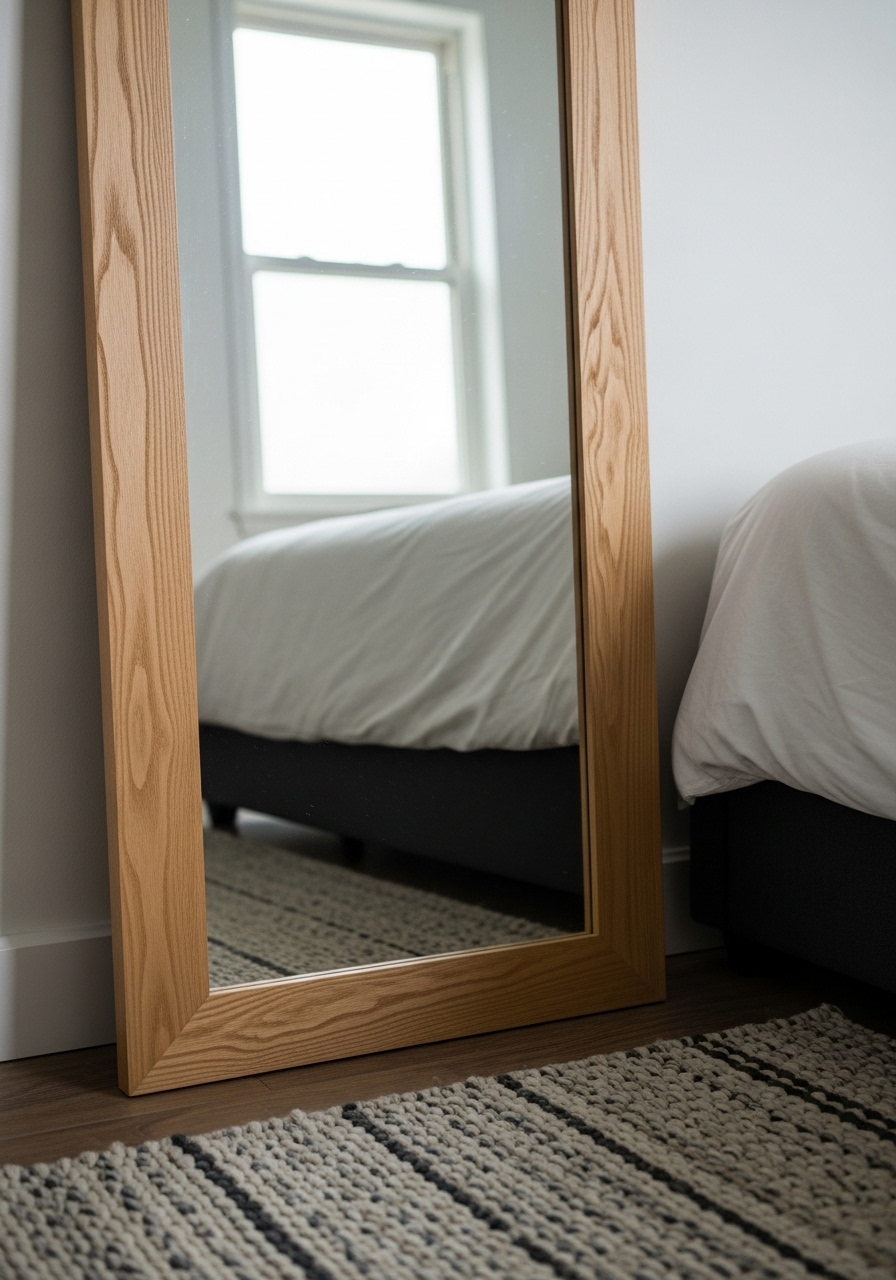
I lean the full-length mirror across from the bed. Then roll out the rug, centering it underfoot but leaving a border.
Depth bounces in—the mirror doubles the light, rug defines the zone. It softens hard edges.
People skip rugs in small spaces. They make floors feel bigger. Avoid centering the bed dead on the mirror; angle it slightly.
I walk the path. It invites movement.
Step 5: Finish with Light and Layers
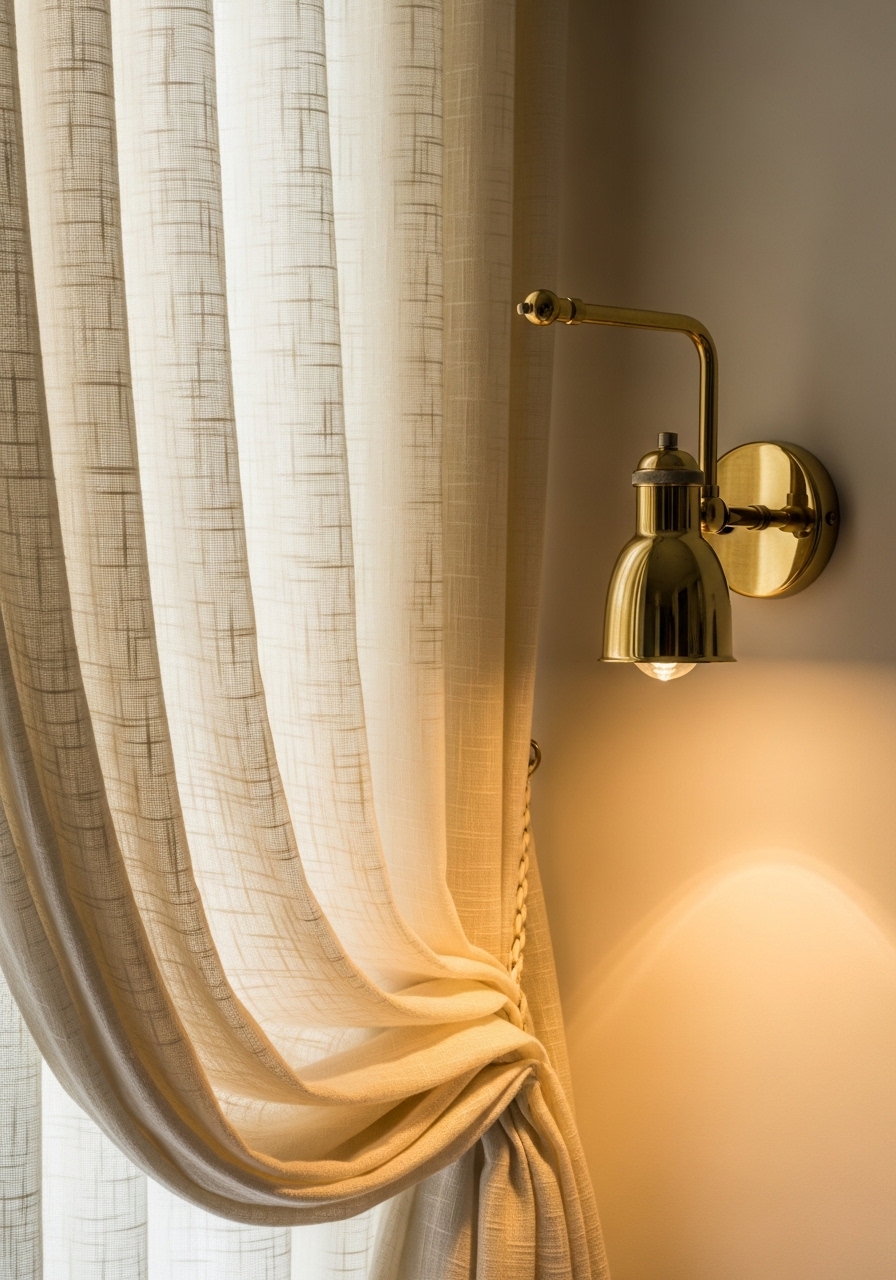
Last, I hang sheer curtains and mount the sconce on the wall. Layers of light wash the space—no harsh overheads.
The room settles into balance. Warm glows connect everything.
Overlook soft light, and it feels flat. Don't bunch curtains tight; let them breathe.
I sit on the bed. It's restful now.
Arranging for Morning Flow
I think about mornings first. The layout needs paths from bed to door.
Wide enough for two people. No stubbed toes.
- Keep 24 inches clear around the bed.
- Angle the mirror to catch door light.
- Baskets stay low, out of step.
Test it daily. Adjust if it pinches.
Colors That Open the Space
Neutrals keep it easy. I stick to soft whites and warm woods.
They reflect light. No dark walls closing in.
- Bed in white blends walls.
- Walnut nightstand adds warmth.
- Ivory curtains diffuse sun.
Layer one bold pillow. Rest stays simple.
Handling Odds and Ends
Clutter kills small rooms. I designate spots right away.
Shelf for books. Baskets for laundry.
- One plant on shelf—brings life.
- No stacks on nightstand.
- Rug edges tucked under bed.
It stays lived-in, not messy. Wipe daily.
Final Thoughts
Start with just the bed placement. See how it shifts the feel.
You've got this—small spaces reward simple choices.
My tiny room sleeps two now. Balanced paths, quiet corners. Yours will too.