How to Design Wall of a Small Bedroom Like a Pro
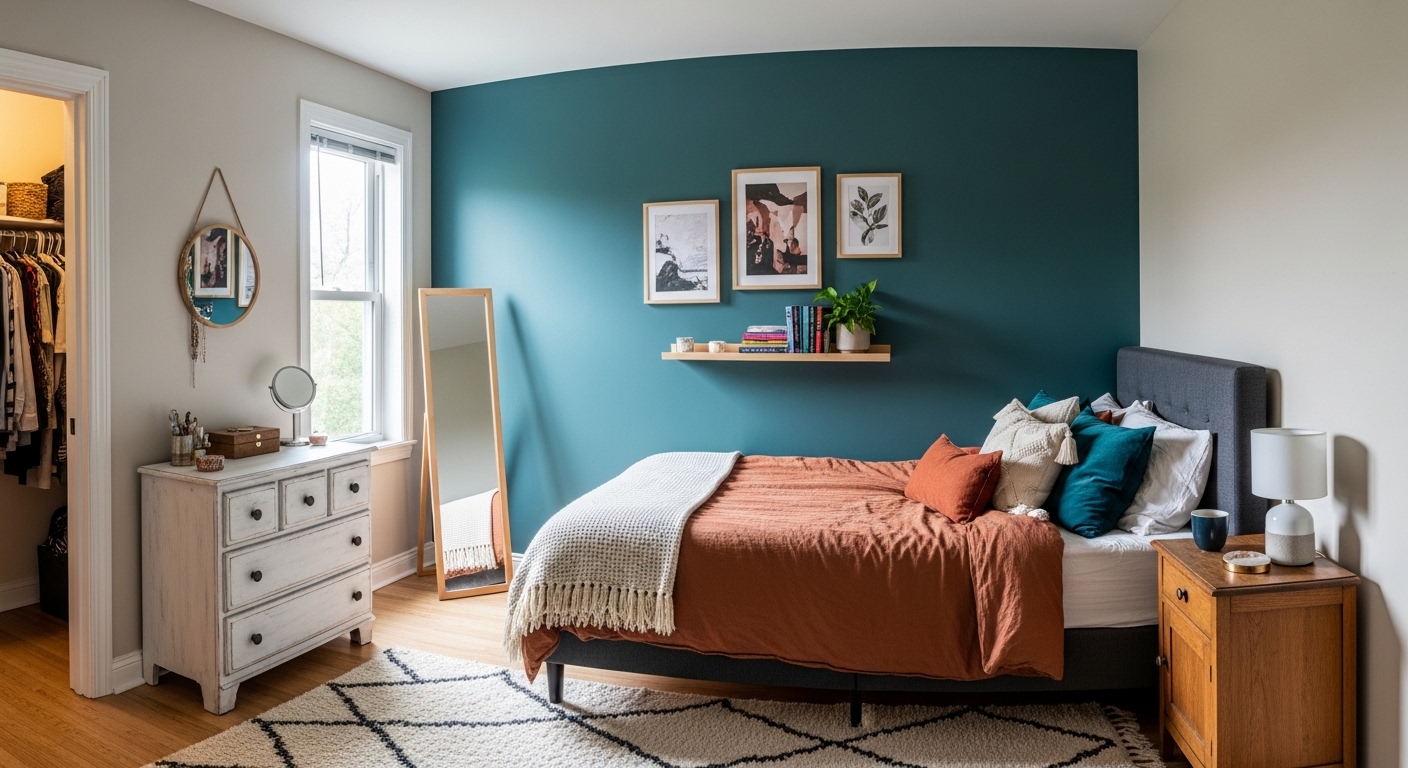
I stared at the blank wall in my tiny bedroom. It made the room feel flat, like something was missing. Bed against one side, nightstand squeezed in—everything else just echoed empty.
I'd tried posters before. They hung crooked, gathered dust. The space still felt off, crowded yet bare.
Then I stepped back. This wall could anchor the room if I placed things right.
How to Design Wall of a Small Bedroom Like a Pro
This is the method I use every time a bedroom wall feels unfinished. You'll learn to layer pieces for balance and flow. The end result is a wall that makes the room feel larger, more comfortable—without clutter.
What You’ll Need
- 24×36-inch linen-wrapped canvas print in soft neutrals
- 36-inch-wide floating oak shelf, natural finish
- 20-inch round woven wall mirror, rattan frame
- Set of three 8×10-inch ceramic picture frames, matte white
- 12-inch trailing ivy plant in terracotta pot
- Pair of slim brass wall sconces, matte finish
- 4×12-inch wooden gallery ledge, walnut stain
- Faux sheepskin throw, 50×60 inches, cream
Step 1: Map the Wall's Natural Lines

I start by standing back ten feet. Eye level hits about 60 inches up—that's my horizontal center line. I mark it lightly with pencil. This line guides everything.
Visually, the wall shifts from blank to planned. It feels grounded now.
People miss how the bed's headboard sets the rhythm—align your line just above it. Avoid hanging too high; it disconnects the wall from the bed.
Step 2: Place Your Anchor Piece First
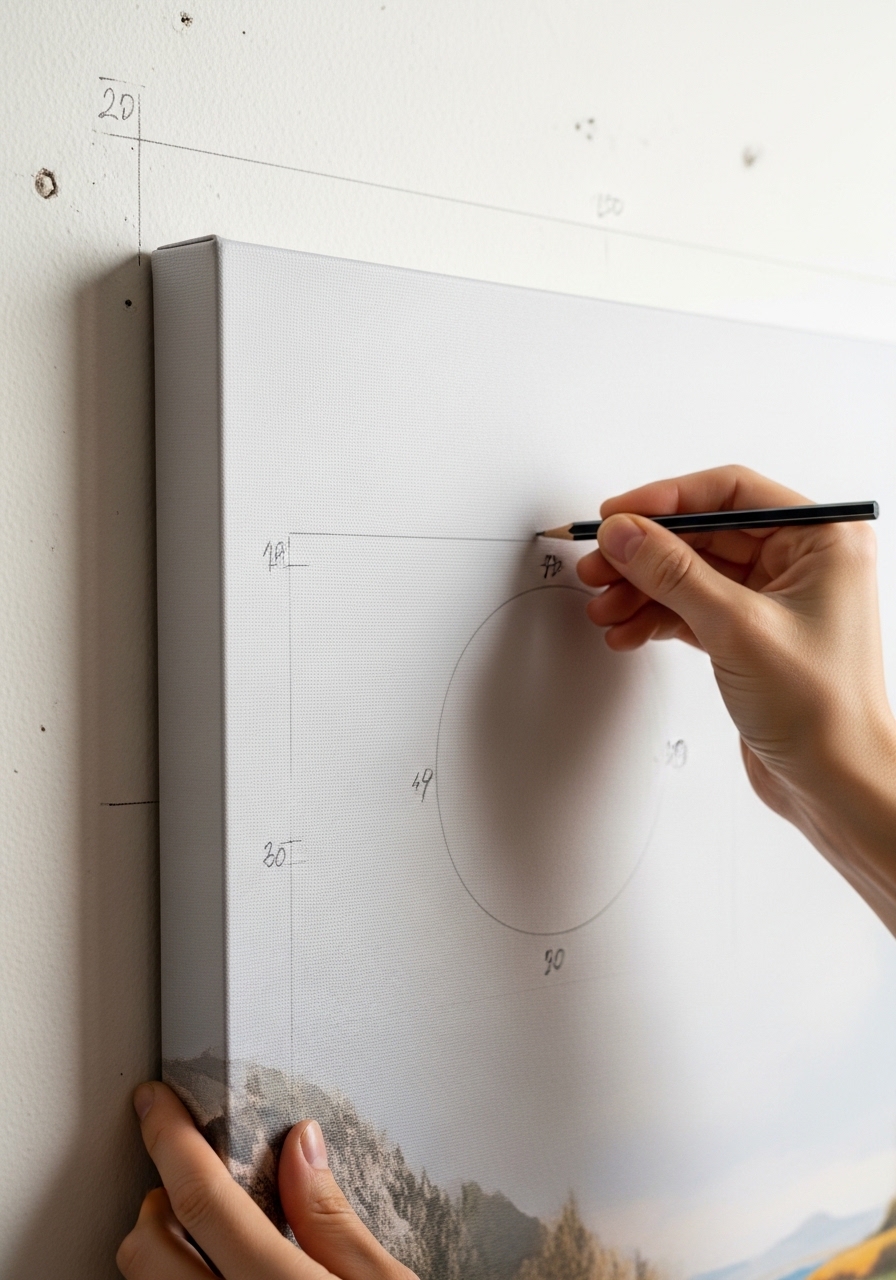
I pick the biggest piece, like that linen canvas. Hang it dead center on my line. It draws the eye, gives weight.
The wall gains focus instantly—room feels steadier.
Most overlook scale in small spaces; too big overwhelms, too small floats. Don't center perfectly if the bed's off—shift slightly toward it for flow.
Step 3: Add Vertical Balance with Shelf

Next, the oak shelf goes 12 inches above the canvas. It pulls the eye up, makes the ceiling feel higher.
Now the wall has rhythm—low anchor, mid shelf, open space breathes.
Folks forget to load shelves lightly; one or two items max. Skip heavy books—they tip the balance forward.
Step 4: Layer Mirrors and Frames Asymmetrically
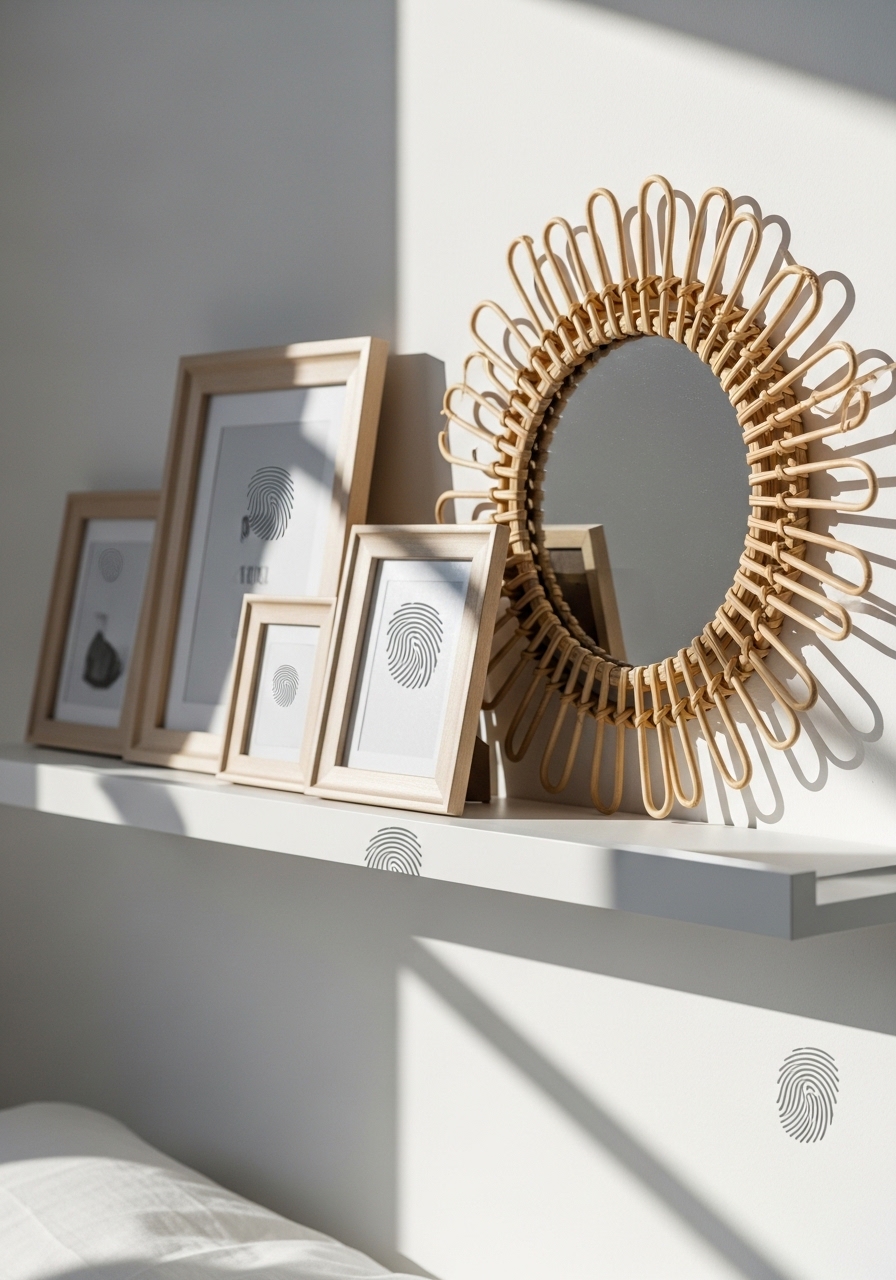
I hang the rattan mirror left of the shelf, slightly higher. Tuck two frames right, overlapping edges. Asymmetry feels lived-in.
The wall gains depth—light bounces, space expands.
The insight: odd numbers work best—three pieces total. Avoid symmetry; it stiffens small walls.
Step 5: Finish with Soft Touches and Light

Plant goes on the shelf, trailing down. Sconces flank the canvas low. Sheepskin drapes from the ledge.
Everything settles—warm, balanced glow at night.
People miss low lights; they hug the wall, avoid glare. Don't over-layer; leave 30% negative space.
Adjusting for Your Room's Light
Light changes everything in a small bedroom. I watch how sun hits the wall morning and night.
Morning light? Lean warm tones, like that cream sheepskin.
Evening dim? Brass sconces add steady warmth.
- North-facing: Add layered frames for depth.
- South-facing: Keep it simple—mirror bounces extra sun.
- Watch shadows—they reveal if it's crowded.
Scaling Pieces Right
Small rooms punish big mistakes. I test scale with paper cutouts first.
That 36-inch shelf fits because it's under half the wall width.
- Wall 8 feet wide? Anchor under 30 inches.
- Bedside view? Eye-level rules.
- Too much? Pull one piece—breathe.
When the Wall Has Windows or Doors
Tricky spots need compromise. My wall had a narrow door—I shifted the anchor right.
Windows? Shelf above sill, frames beside.
- Door edge: Hang 4 inches clear.
- Window ledge: Plant there, skip shelf.
- Feels off? Step back 10 feet, adjust.
Final Thoughts
Start with just the anchor piece. See how it sits.
Build slow—one layer a week if needed.
You'll have a wall that fits your room, feels right every time you walk in. It's simpler than it looks.