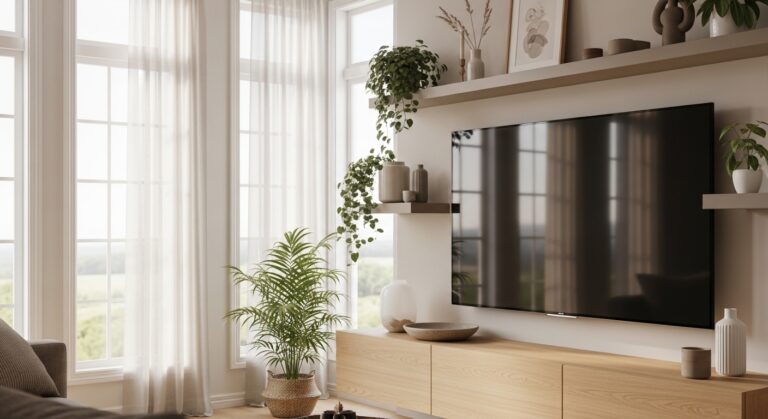
How to Color the Walls of Small Living Room Perfectly
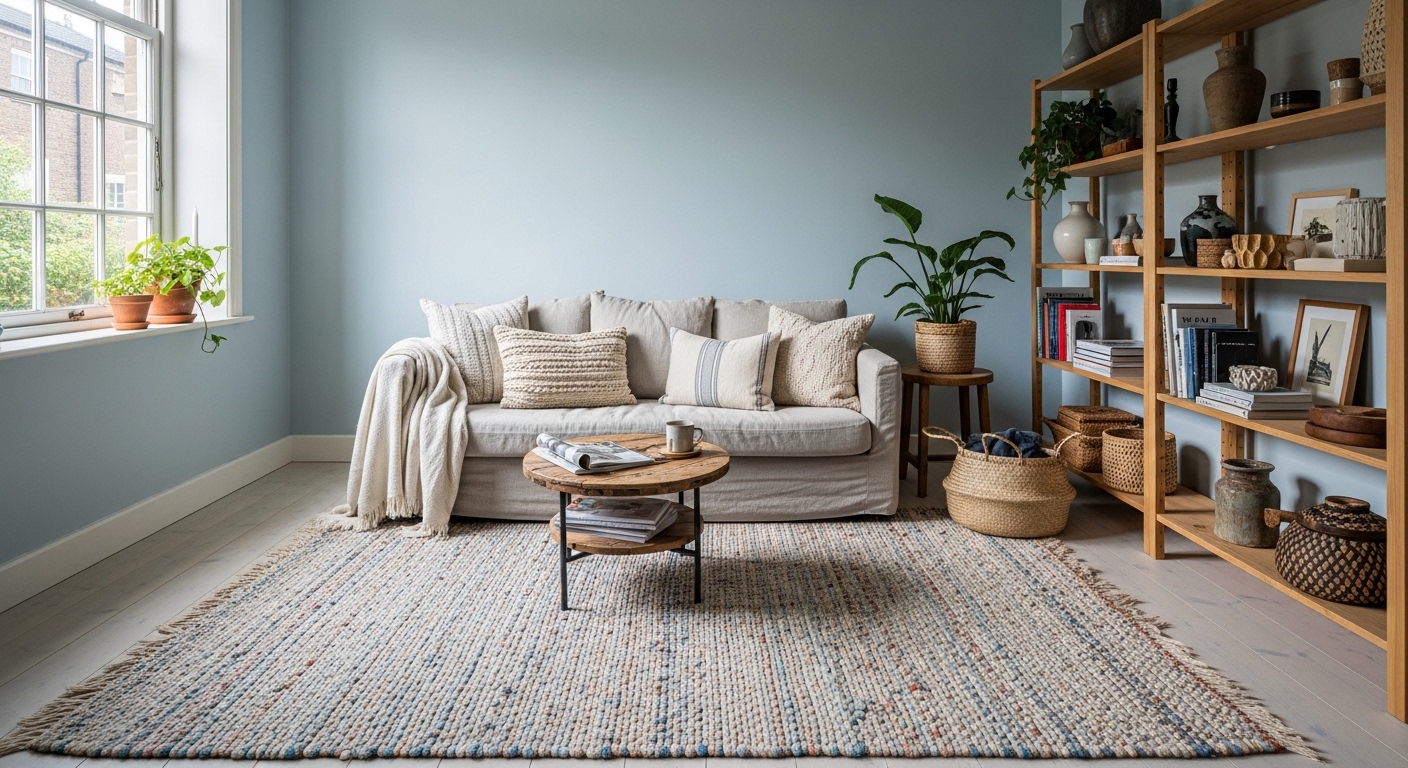
I stared at my small living room. The walls felt heavy, closing in. Furniture looked cramped. Light from the one window barely helped.
I'd tried white before. It washed out. The room stayed stuffy.
You know that feeling. Walls that shrink the space instead of opening it.
How to Color the Walls of Small Living Room Perfectly
This shows you how I pick and place wall color in tight living rooms. You'll end up with walls that breathe, make the room feel twice as big. It's simple once you see the light right.
What You’ll Need
- Matte sample pots in pale blue (8 oz, Benjamin Moore Gray Owl)
- Satin sample pots in warm off-white (8 oz, Sherwin-Williams Alabaster)
- Existing navy sofa (fabric, 80 inches)
- Jute area rug (8×10 feet, neutral tones)
- Floor lamp with linen shade (60-inch arched)
- Bookshelf (IKEA Billy, white oak, 31 inches wide)
- Ceramic vase (12-inch tall, matte white)
- Throw pillows (two, linen in soft gray)
Step 1: Check Your Light First
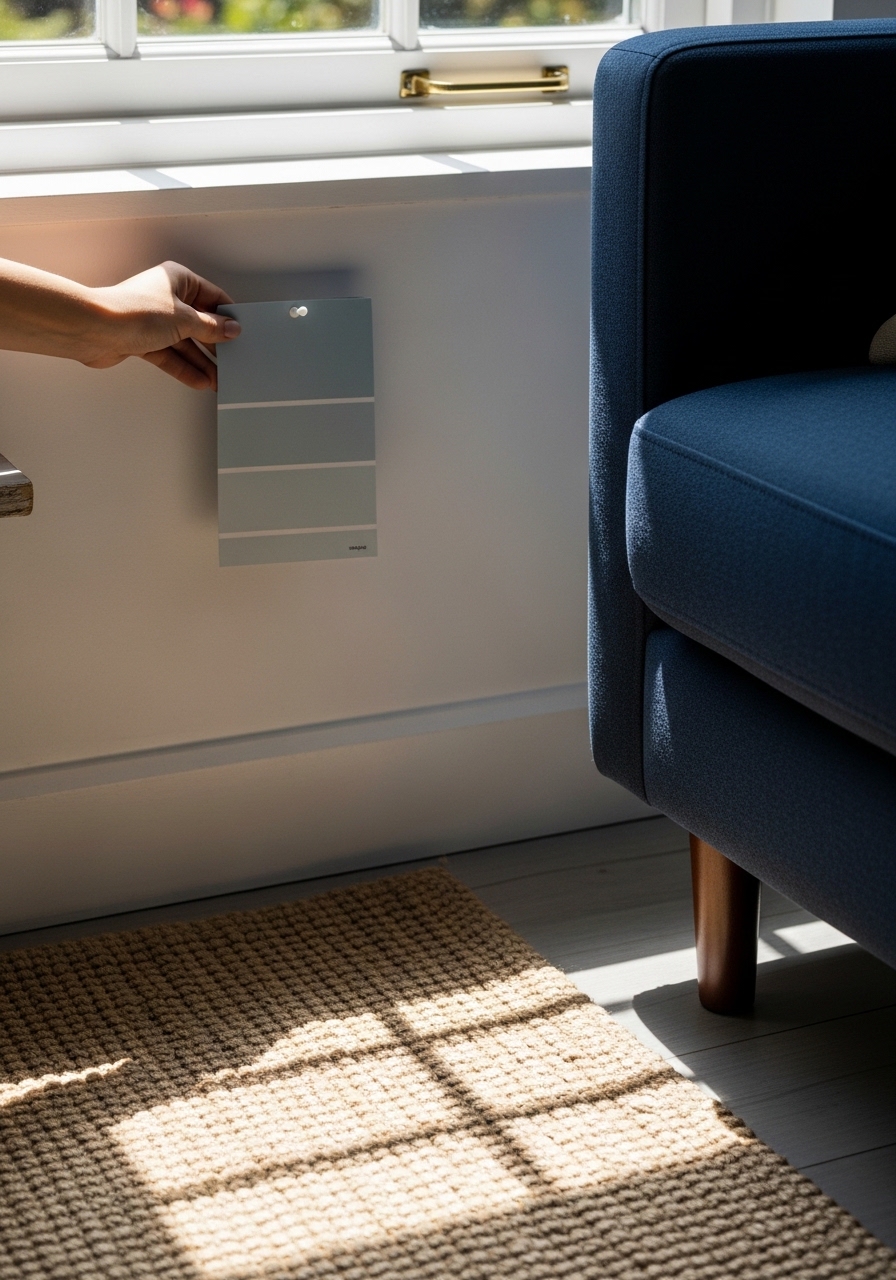
I start by standing at the window at different times. Morning light, afternoon glow. See how it hits the walls.
This changes everything. North-facing rooms need warmer tones. They feel cold otherwise. My room faces east—light turns golden later.
People miss how light shifts daily. Test at your worst time, like late afternoon. Avoid dark samples; they eat space.
Don't slap up one color. Light decides.
Step 2: Pick Colors That Recede
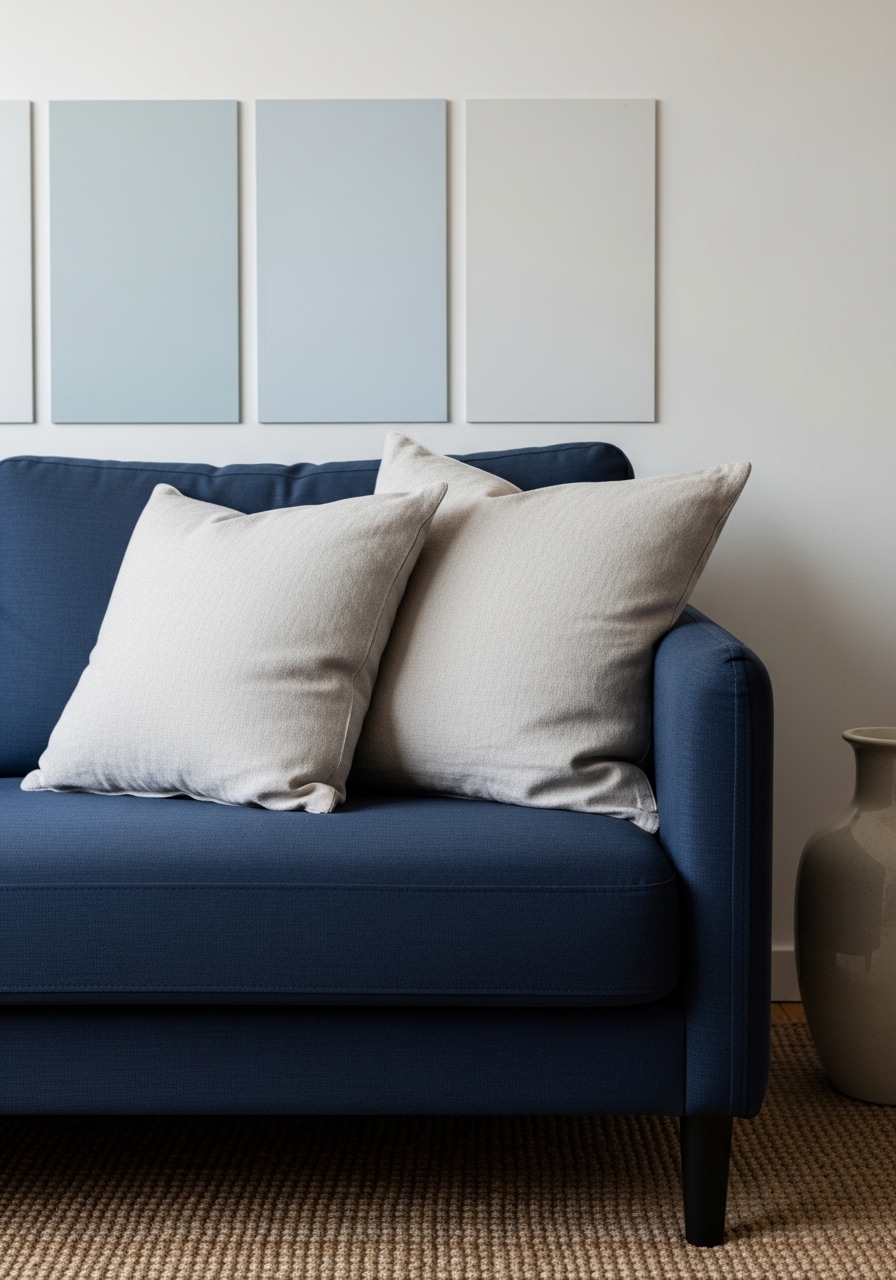
I grab samples two shades lighter than I think. Pale blue, off-white. They pull back visually.
Walls fade into air. Room grows. My pale blue made the navy sofa pop without crowding.
Most skip this—choose "bold" neutrals. They advance, shrink space. Insight: thumb test. Hold thumb at arm's length; color should blend.
Skip glossy finishes early. They reflect too much in small spots.
Step 3: Layer with Your Furniture
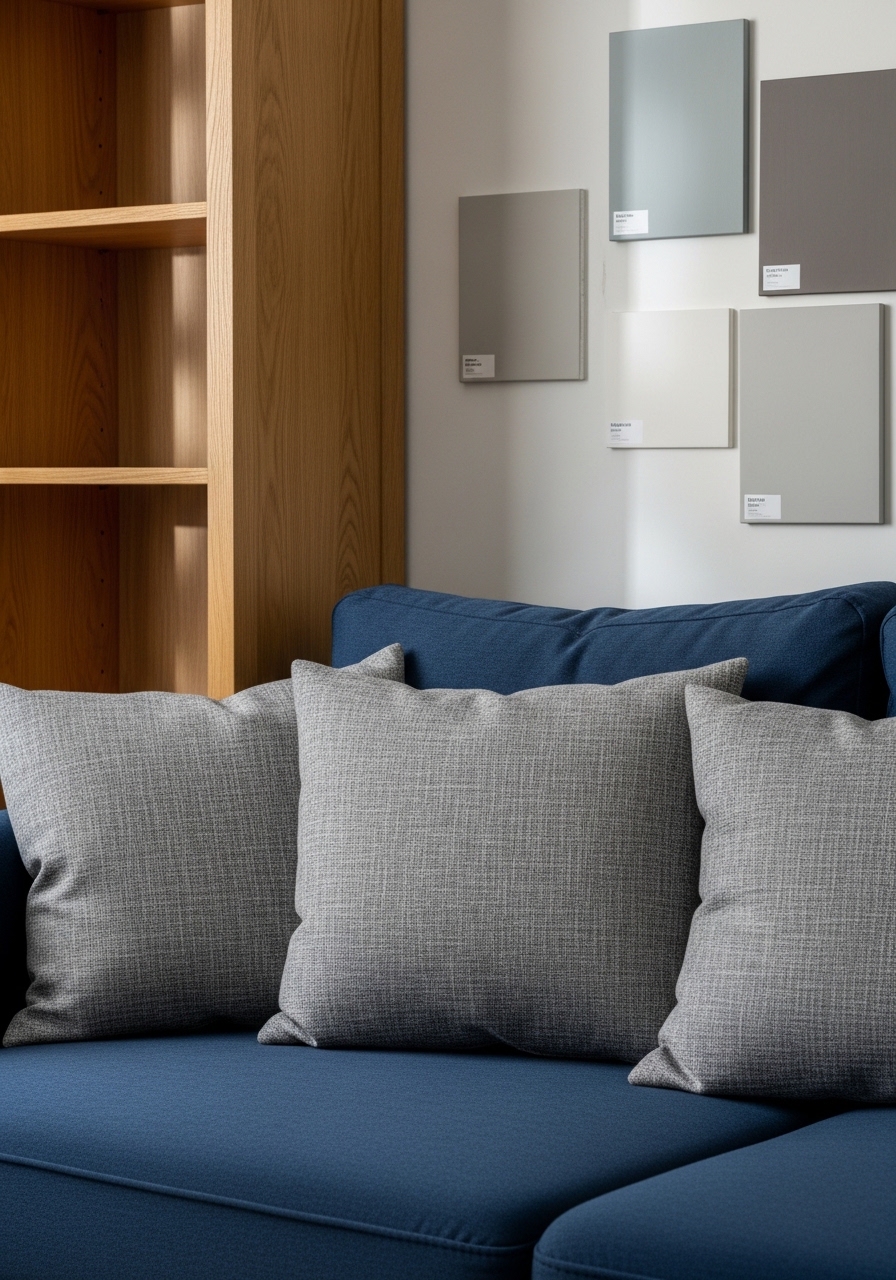
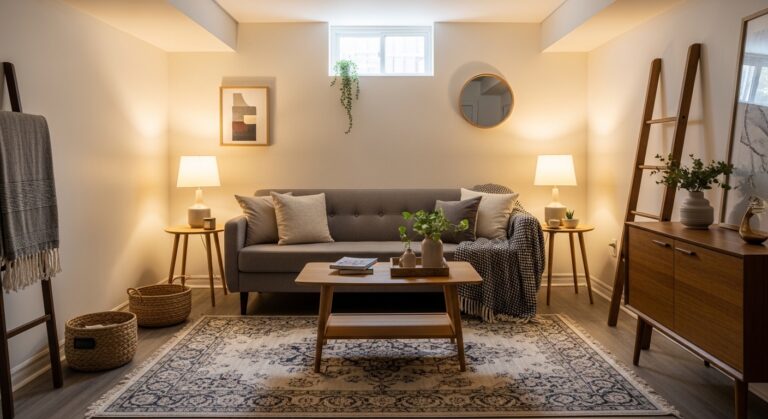
I move the sofa close. Pin samples at eye level. Rug down, lamp on.
Color settles against real pieces. Pale blue warmed next to navy. Off-white cleaned it.
Folks test samples alone. Miss how fabric pulls tone. My insight: walk back 10 feet. Does it balance or fight?
Avoid matching exactly. Let walls support, not steal.
Step 4: Live with Samples a Week
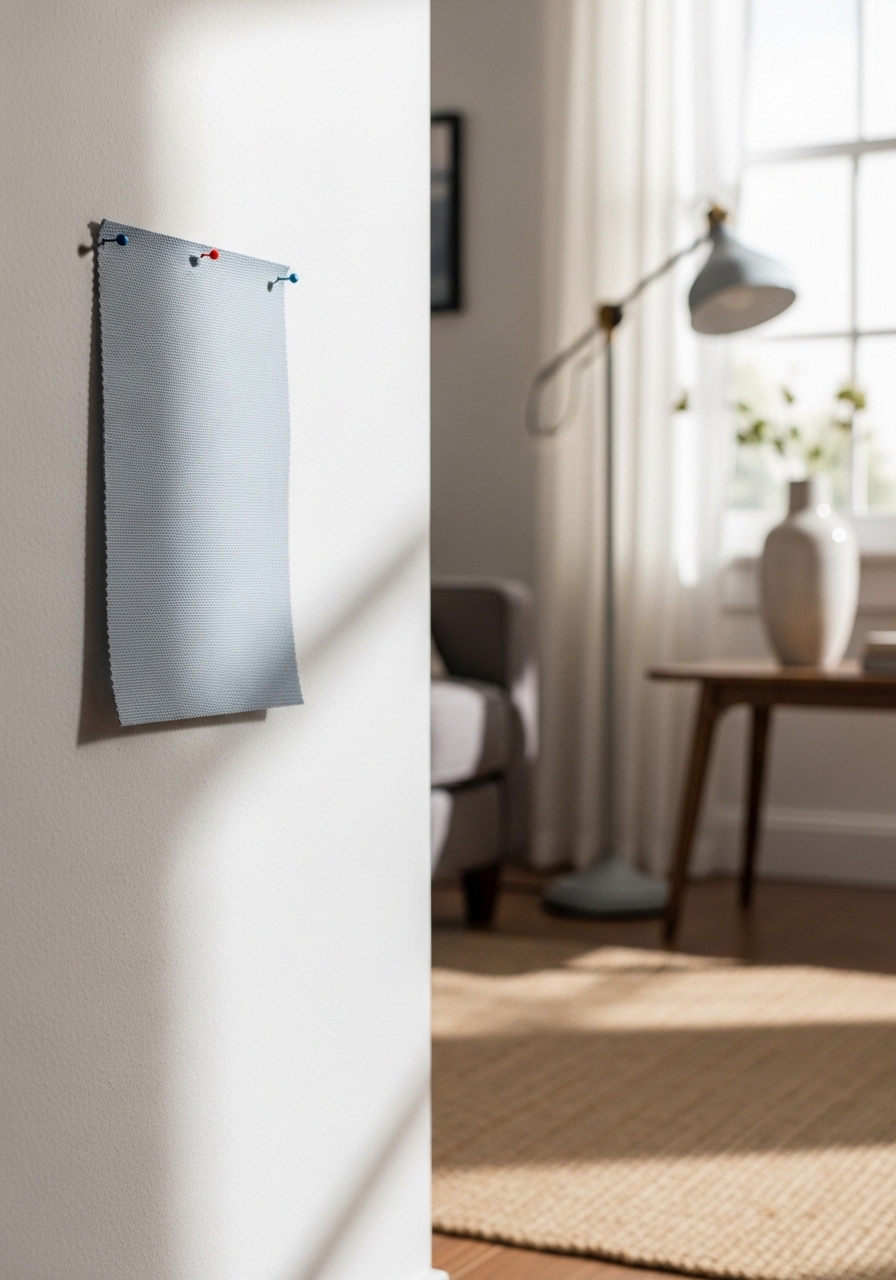
I tape up three samples. Walk by daily. Note moods.
Visual shift happens slow. Blue felt cozy at night. White stayed crisp.
People rush—pick day one. Insight: evenings reveal true warmth. My blue won after four days.
Don't peel early. Let it sink in.
Step 5: Commit and Balance the Whole

I paint once sure. Then adjust. Rug centers, lamp corners light.
Room flows open. Blue walls frame without boxing.
Missed bit: accents repeat wall tone. Gray pillows echo blue.
Avoid all-white trim. Tint it warmer for unity.
Why Light Colors Work Best in Small Rooms
Light colors like pale blue open tight spaces. They reflect what little light you have.
I've seen it every time. My 12×10 room felt 20×15 after.
- North light? Lean warm off-white.
- East/west? Cool pale blue holds.
- South? Any light shade shines.
Test against your biggest piece, like the sofa.
Handling Tricky Spots Like Corners
Corners trap shadows in small rooms. Color them same as walls—no drama.
I blend mine. Pale blue everywhere. No sharp lines.
One trick: soft lamp there. Fills dark.
- Avoid accent walls. They chop space.
- Skip patterns. Solid breathes.
Refreshing Walls Without Repainting
Dust settles fast on matte walls. Wipe quarterly with damp cloth.
My blue stays fresh two years. Fading? One fresh coat.
- Use quality paint. Two coats max.
- Pair with washable rug.
Keeps balance long-term.
Final Thoughts
Start with samples. Your room will tell you.
You'll feel the shift—space, calm.
It's not perfect forever. But right now, it fits.
Trust the process. You've got this.