How to Green Paint a Small Living Room Beautifully
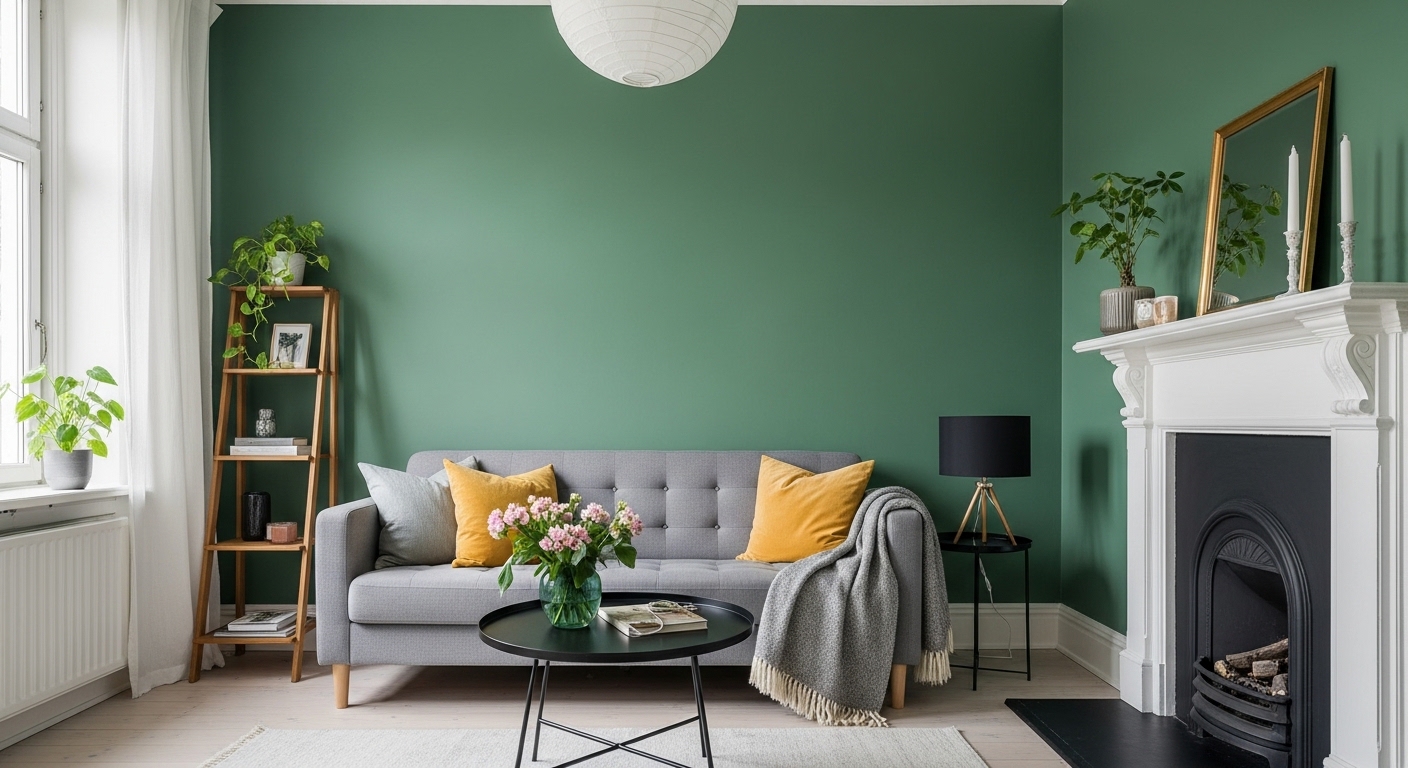
My small living room always felt tight. Beige walls made it dull, like a box. I craved green but worried it'd close in more.
One afternoon, I grabbed paint samples. Held them up at different times of day. The room started to breathe.
Now, that green pulls everything together. It's calm, not overwhelming. If your space feels off like mine did, this fixes it.
How to Green Paint a Small Living Room Beautifully
This shows you how I green paint a small living room so it feels open and balanced. No shrinking walls. Just a comfortable flow that lasts. You can do this in a weekend.
What You’ll Need
- Farrow & Ball Pigeon matte green paint (sample pot)
- Linen slipcovered sofa in cream (IKEA model)
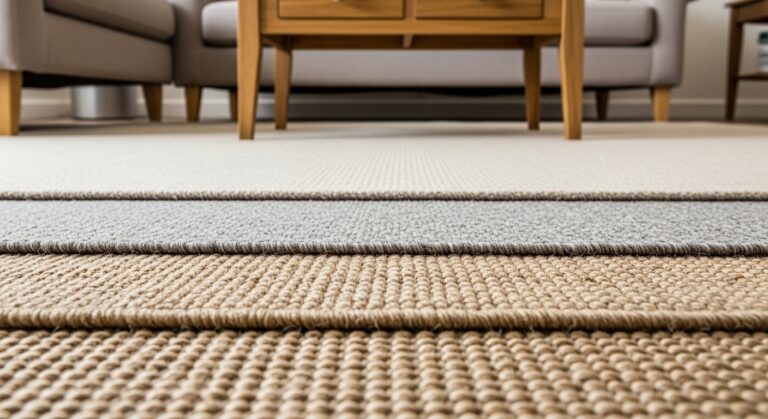
- Jute area rug (8×10 feet, neutral weave)
- Wooden coffee table (round, 36-inch diameter)
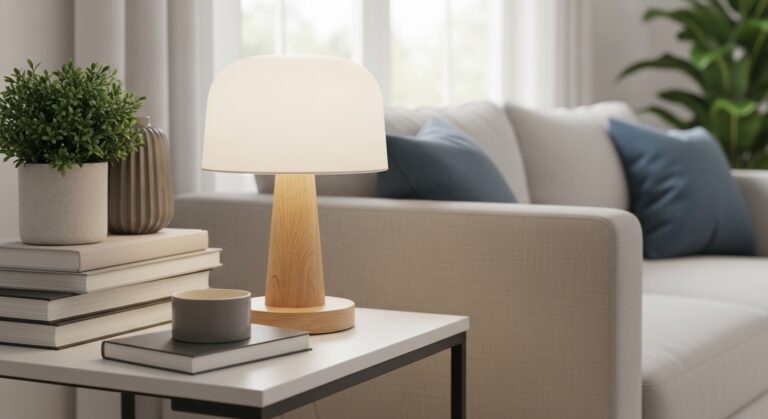
- Ceramic table lamp (green glaze, 24 inches tall)
- Cotton throw blanket (sage green, 50×60 inches)
- Wicker basket (medium size for throws)
- Framed botanical prints (set of three, muted tones)
- Sheer linen curtains (floor-length panels)
Step 1: Test Greens in Your Light
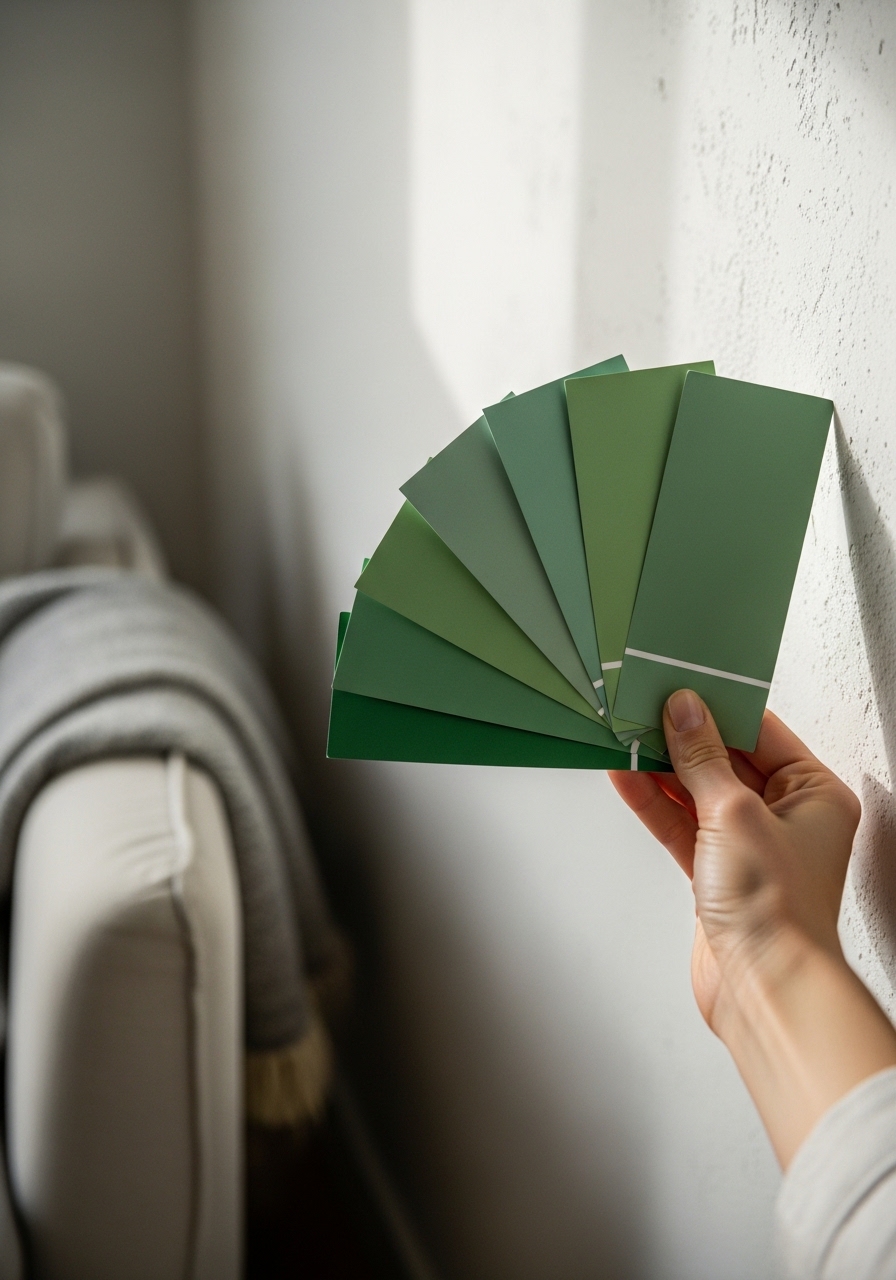
I start by taping green samples to the wall. Watch how light hits them morning, noon, night. A soft sage stays balanced; it doesn't fight the space.
Visually, the room wakes up. Shadows soften, corners feel less sharp.
Most miss how evening light warms green—test late. Avoid bold emerald; it darkens small rooms.
Paint settles into a lived-in calm. My walls now hug the furniture right.
Step 2: Apply Green Evenly for Depth
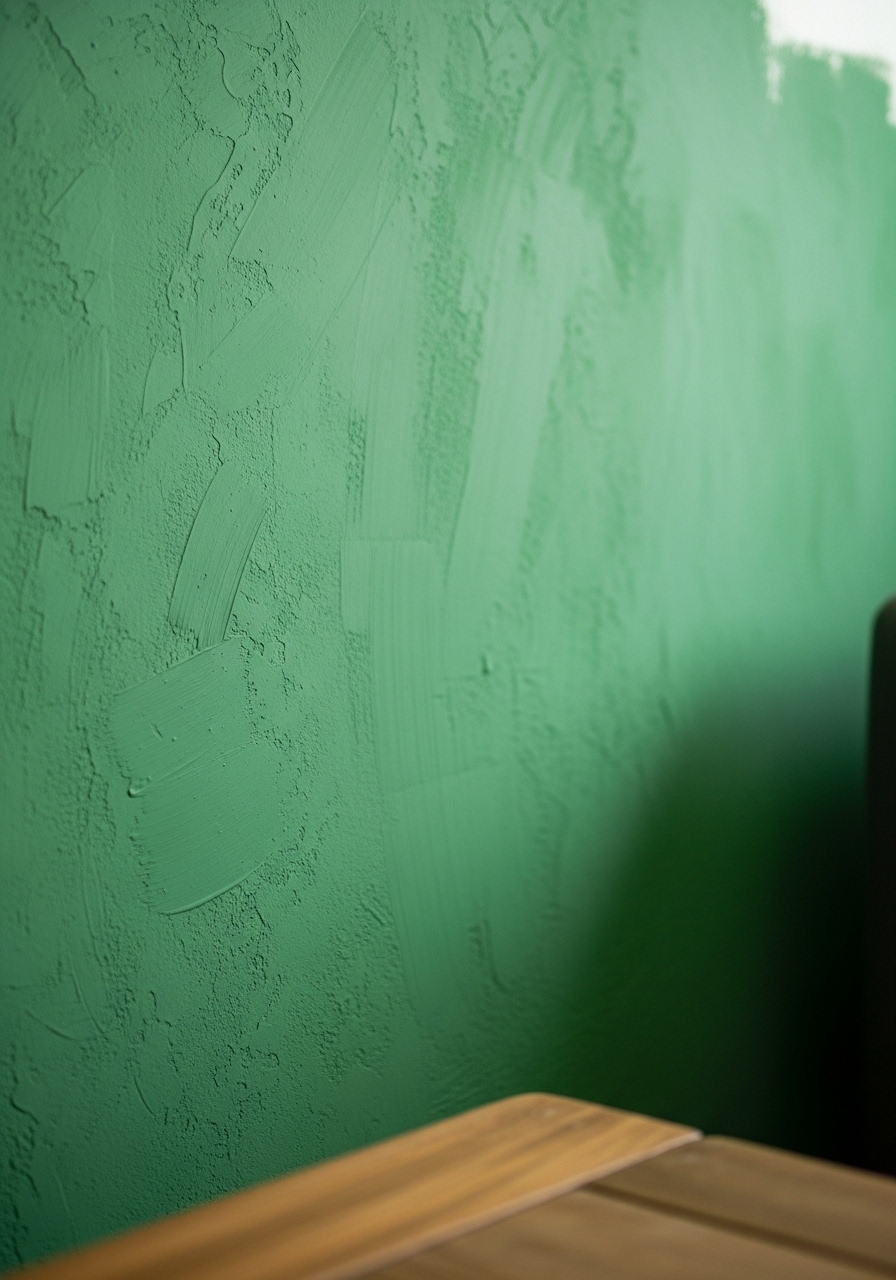
I paint walls in thin layers. Let each dry, step back. Green builds depth without weight.
The shift? Light bounces, making the ceiling feel higher. Sofa and rug ground it.
People forget to paint the trim too—same green ties it. Skip gloss; matte keeps it cozy.
Now, the room flows. Every seat feels right.
Step 3: Place Furniture to Open the Flow
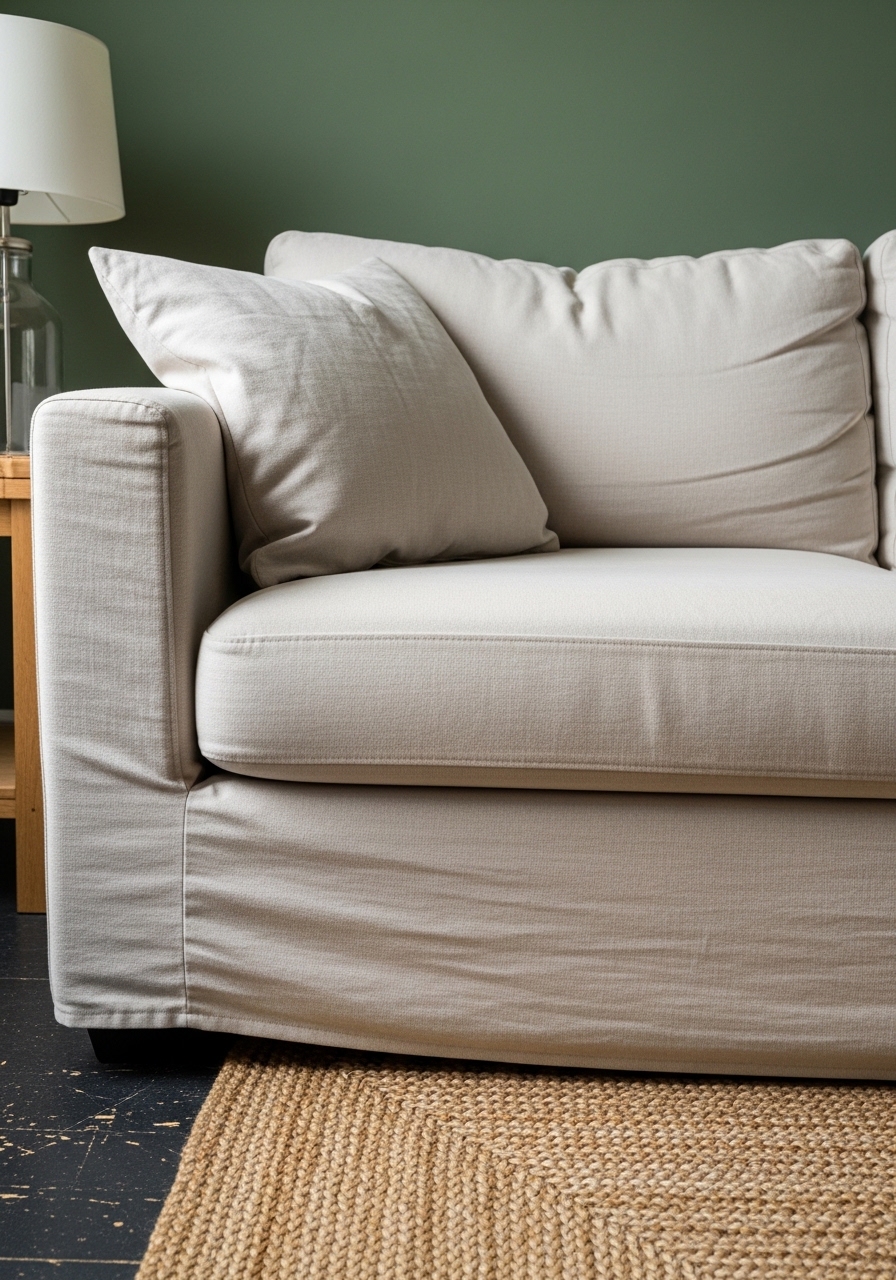
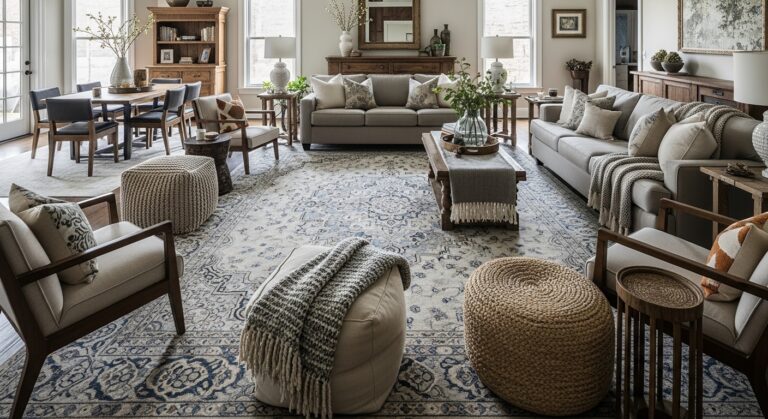
I pull the sofa off the wall an inch. Angle the coffee table for walk space. Rug anchors the center.
Visually, paths clear. Green backdrop makes pieces pop without crowding.
Insight: Face sofa to window—green frames the view. Don't push everything against walls; it boxes in.
Balance returns. Room feels twice the size.
Step 4: Layer Soft Textures on Green
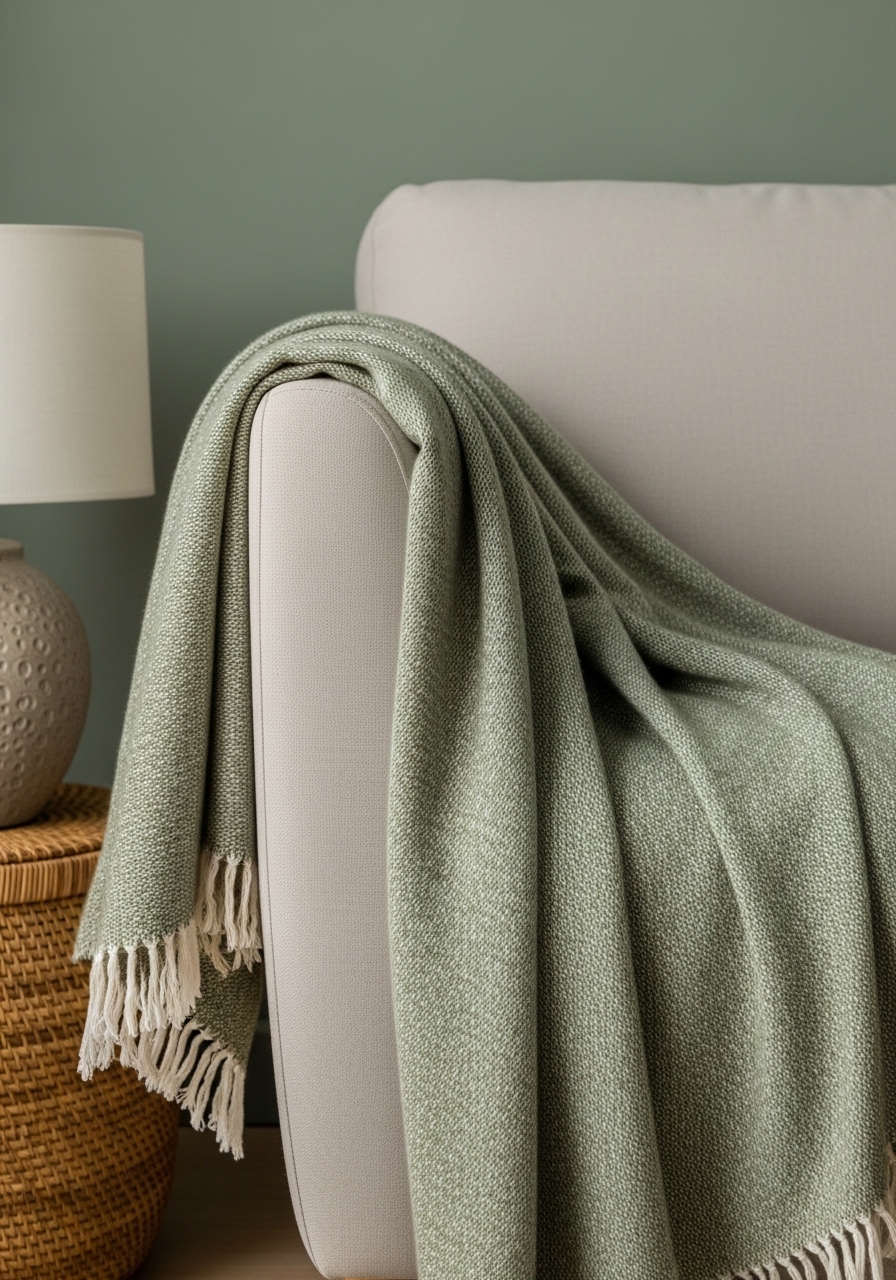
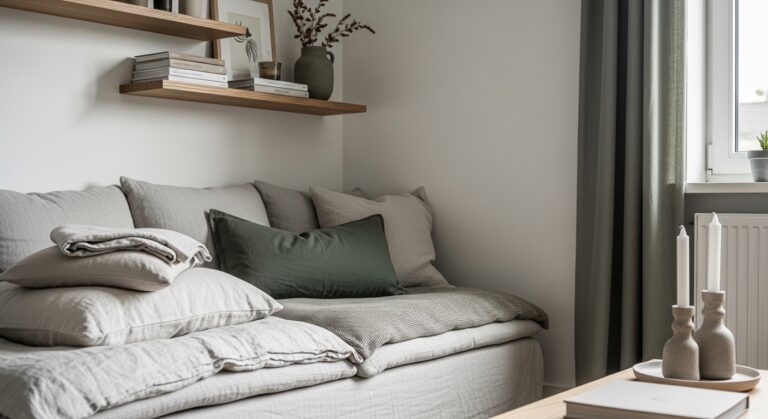
I add the throw, pillows in cream. Drape over sofa, tuck basket nearby. Lamp goes on side table.
Change: Textures warm the green. It breathes, not flat.
Missed often: Echo green lightly in accents—unifies. Avoid matching everything; neutrals balance.
Feels lived-in now. Inviting every time.
Step 5: Hang Curtains and Art for Finish
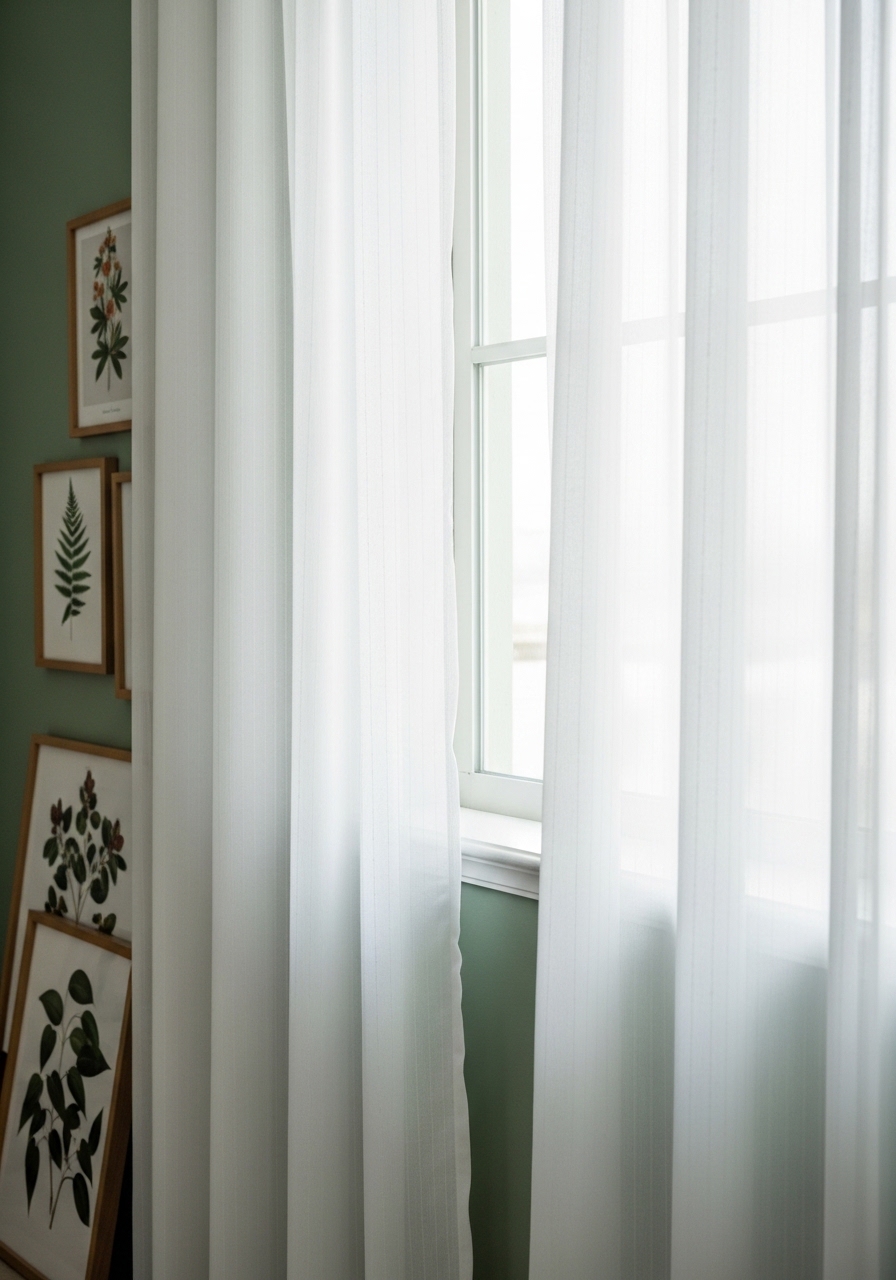
I hang sheer panels high, to floor. Prints go at eye level, spaced loose.
Visual lift: Light filters, green glows soft. Art draws eye up.
Don't cluster art; spread for air. Skip heavy frames—light keeps it open.
All settles. Room feels complete, easy.
Why Green Suits Small Living Rooms
Green mimics outdoors. In my room, it fools the eye into more space.
I chose muted tones. They hold light without glare.
- Sage for north light—stays neutral.
- Olive for south—warms without yellow.
- Avoid brights; they shrink.
Result? Comfortable, not trendy.
Balancing Green with Everyday Pieces
I mix old furniture with green. Keeps it real.
Sofa in cream offsets walls. Wood table adds earth.
Tips:
- 60% green, 30% neutrals, 10% wood.
- Test placements first—move easy.
No need for new buys. Yours work.
Keeping the Green Fresh Over Time
Dust walls quarterly. Green shows less than white.
Refresh with new throws yearly. Simple swap.
- Vacuum rug weekly.
- Spot clean paint gently.
Stays balanced. Feels like home.
Final Thoughts
Start with one wall if unsure. See the shift.
You've got this—your room knows what it needs.
Green just settles it right. Mine did. Yours will too.