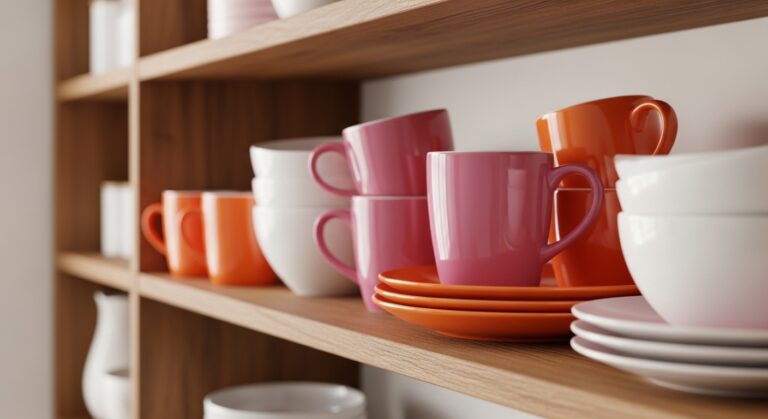
How to Place Kitchen Table Against Wall Correctly
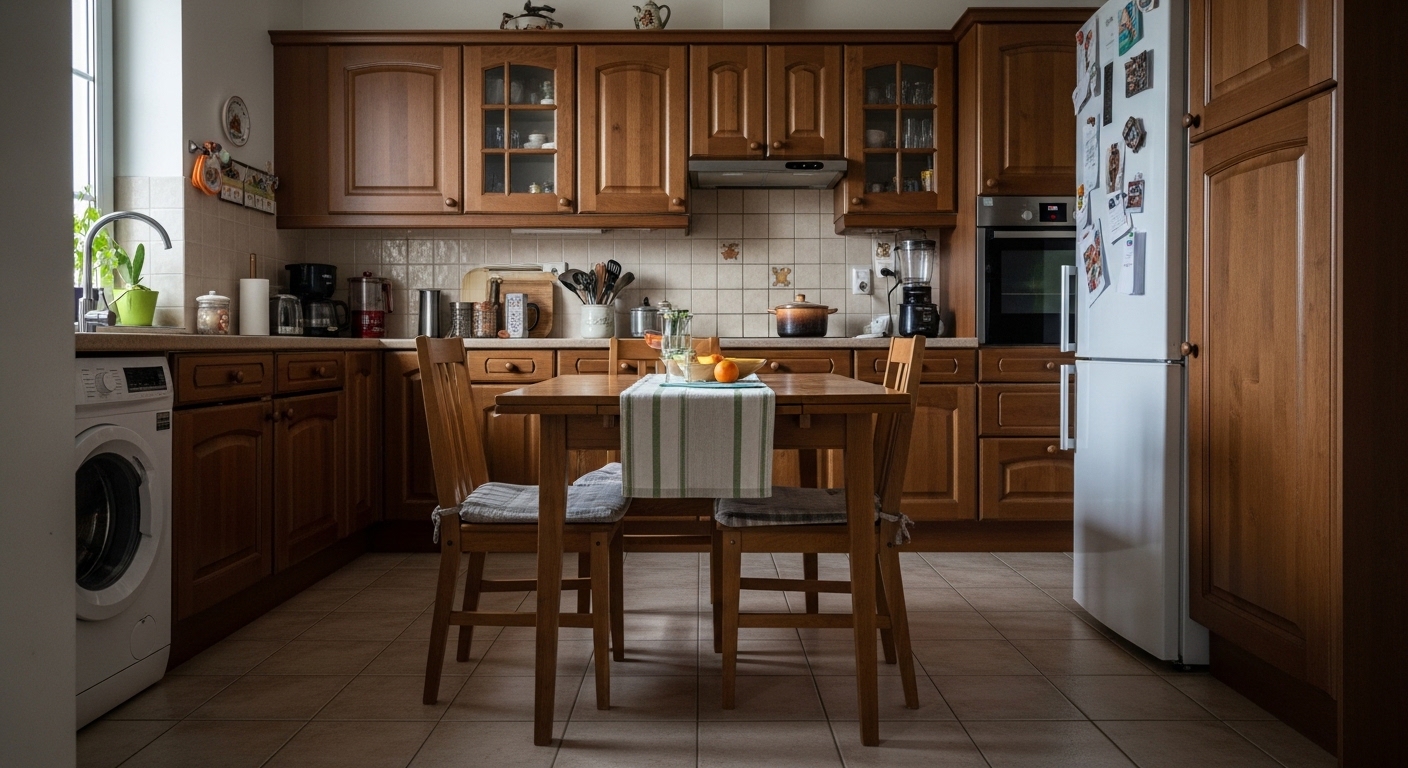
I had a small kitchen where the table shoved against the wall felt squeezed. Chairs bumped the counter. The space looked heavy on one side, empty on the other. I stared at it for weeks.
Then I shifted things. Not much. Just enough to let it breathe.
Now it sits there comfortably. Meals feel easy. The room flows.
How to Place Kitchen Table Against Wall Correctly
This is the method I use every time a kitchen table hugs the wall but still feels open. You’ll end up with a spot that’s balanced and lived-in. It works in tight spaces. No guesswork.
What You’ll Need
- 48-inch oak pedestal table
- Four linen slipcovered chairs (neutral gray)
- 8×10-foot jute area rug (beige)
- Two 24-inch wall sconces (brass finish)
- Set of four woven placemats
- Tall fiddle-leaf plant in ceramic pot
- 36×48-inch landscape print (framed wood)
- Pair of linen napkins (soft white)
Step 1: Pick the Wall Spot That Lets Light In
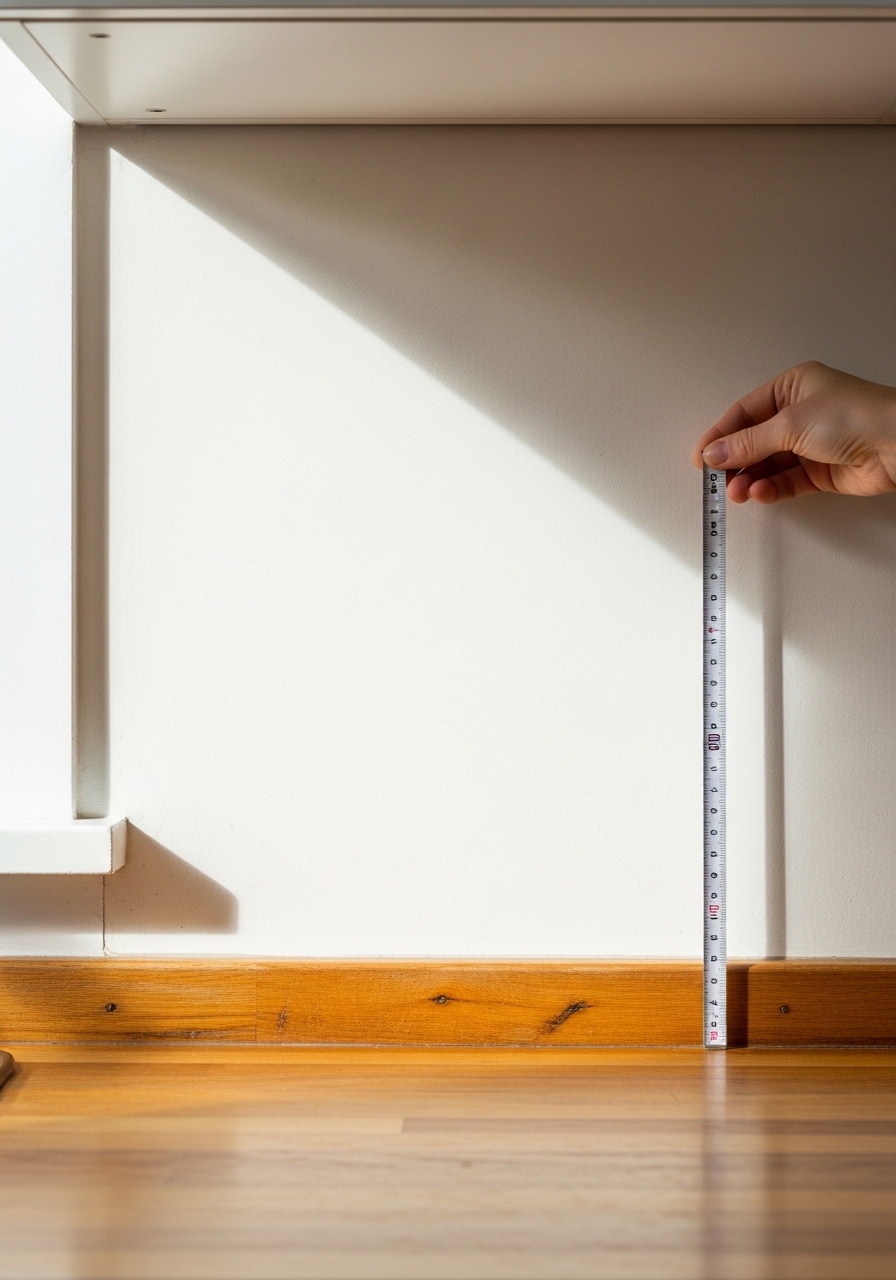
I start by standing in the kitchen at different times of day. Pull the table away first. Watch where sunlight hits the wall. That’s your spot—where light falls naturally without blocking it.
Visually, the wall lightens up. The table won’t cast a shadow that darkens the whole area.
People miss how morning light changes everything. Test it. One insight: prime spots are near windows, not corners.
Avoid pushing tight to outlets. Leave six inches. It keeps cords hidden and airflow easy.
Step 2: Slide the Table Flush but Not Flat
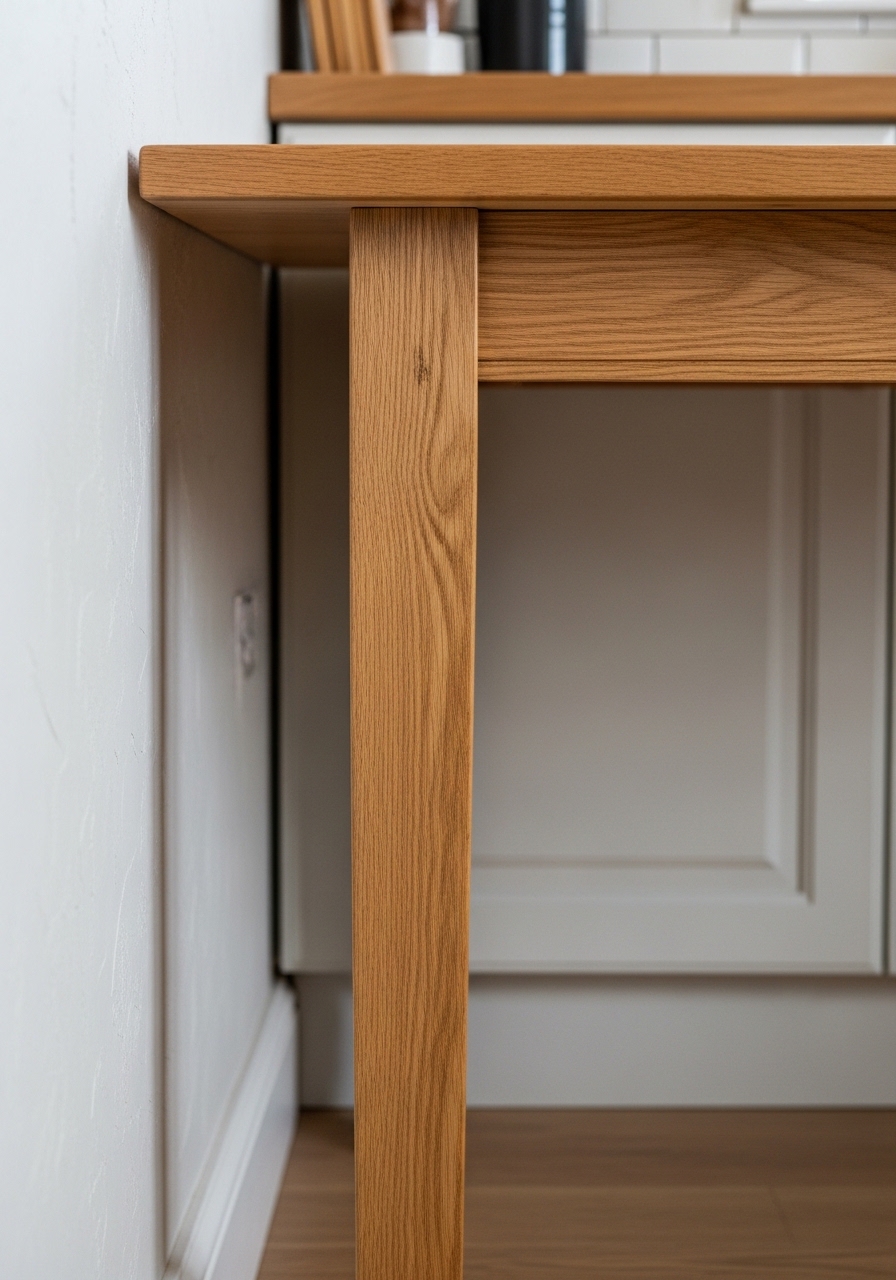
I nudge the table against the wall. Not dead flat—leave a four-to-six-inch gap at the top edge. Center it under the light source. Legs should sit even, no wobble.
The wall feels like a backdrop now. Table gains depth, not stuck.
Most overlook that tiny gap. It stops the cramped feel. Lets dust bunnies hide too.
Don’t center perfectly if windows are off. Eyeball from the door. Balance what you see first.
Step 3: Arrange Chairs for Easy Pull-Out
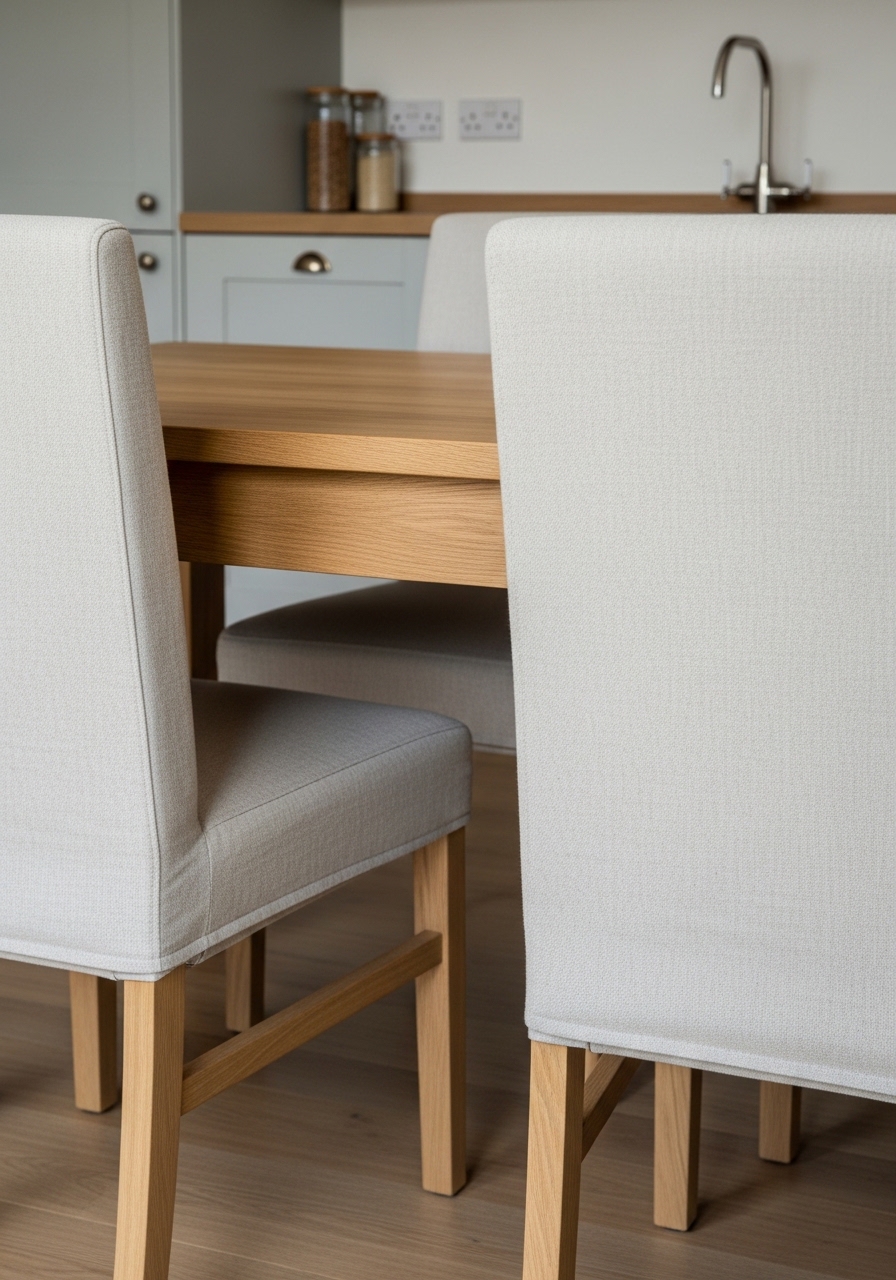
I tuck two chairs against the table’s wall side. Space the other two six inches out on the open side. Test pulling them—smooth glide, no scrape.
Chairs frame the table now. Open side invites sitting without crowding.
Folks cram all chairs tight. Misses the flow. Insight: uneven spacing breathes life.
Skip matching perfectly. One angled slightly works. Avoids stiff lines.
Step 4: Anchor with Rug Under the Open Side
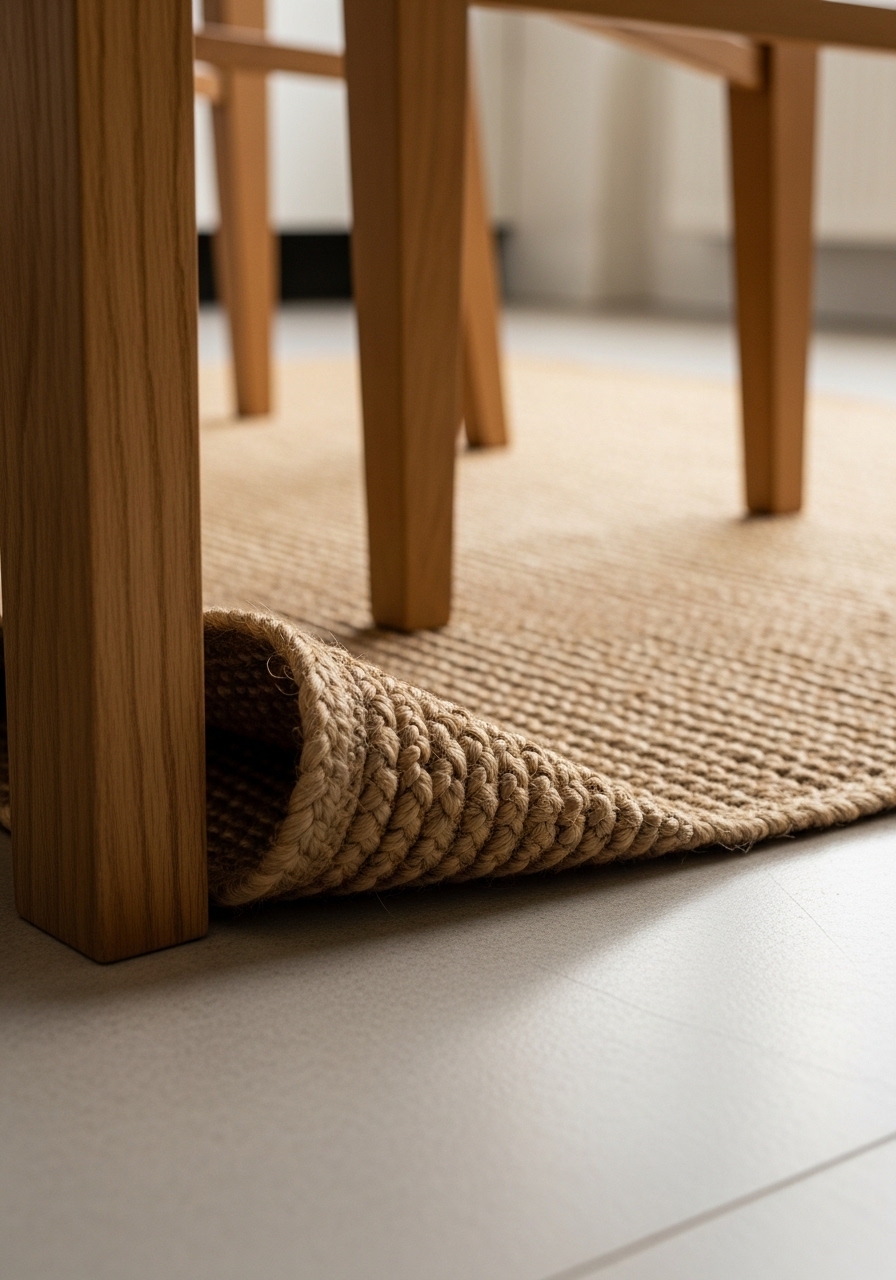
I unroll the rug under the open side only. Front legs on it, back off. Extends the table visually into the room.
Floor warms up. Table floats balanced, not pinned.
Common miss: full rug coverage. Feels heavy. Rug grounds without overwhelming.
Don’t stretch it wall-to-wall. Half-coverage keeps it light.
Step 5: Balance the Wall with Layers
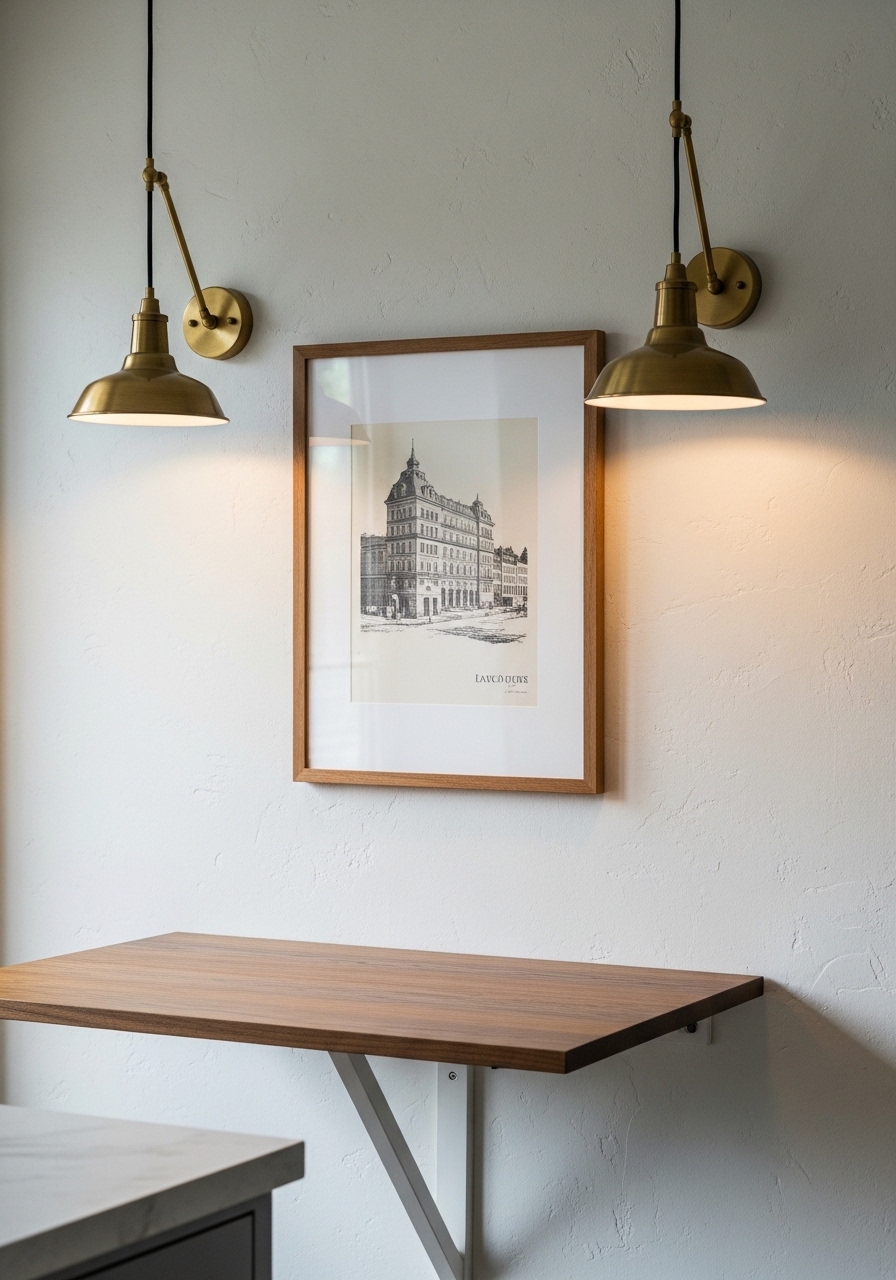
I hang sconces eight inches above table edge, flanking the print in the center. Plant goes floor beside table.
Wall pulls back. Layers add warmth without clutter.
People slap one big piece. Misses depth. Insight: odd numbers—three elements—feel right.
Avoid centering exactly over table. Slight offset draws the eye around.
Step 6: Set the Table for Daily Feel
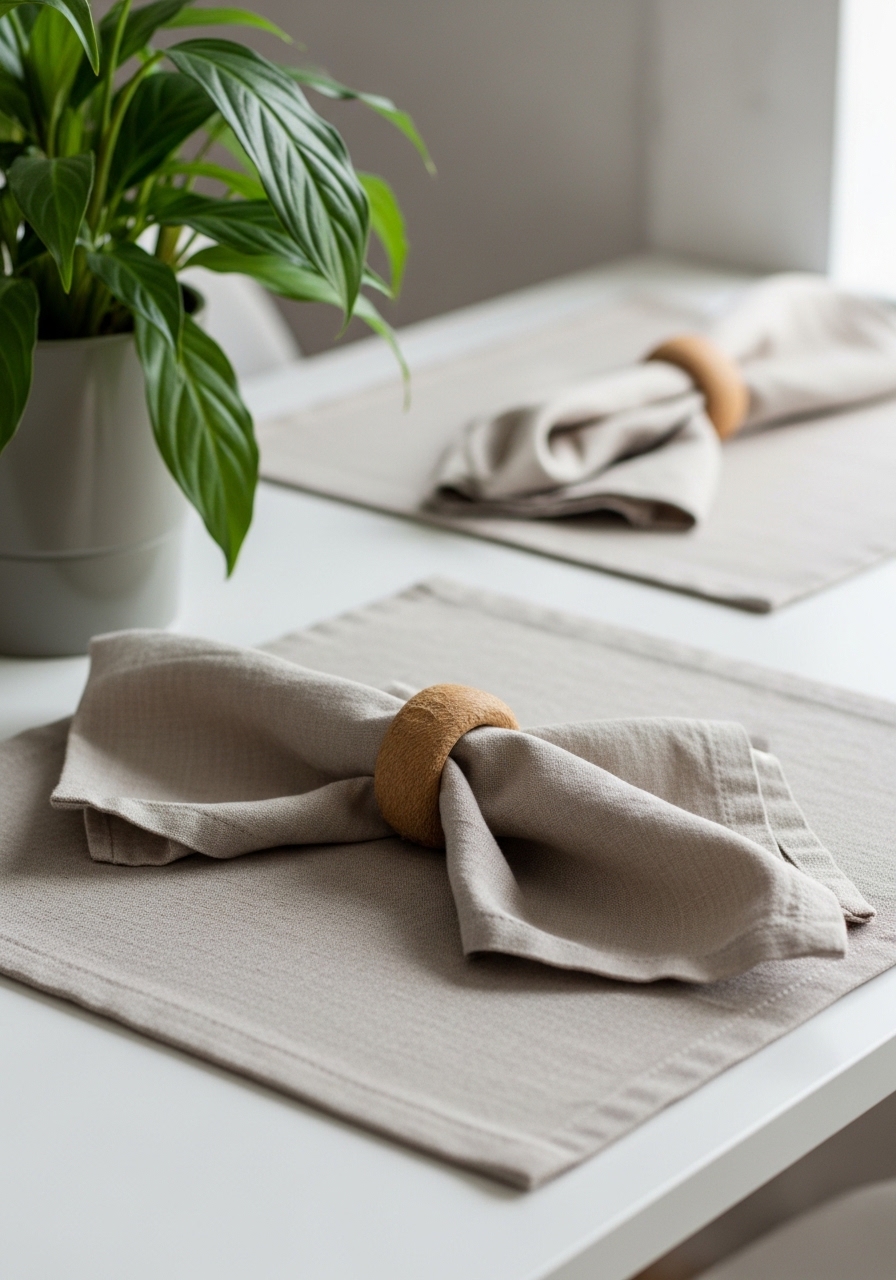
I layer placemats loose. Drape napkins. Plant sits corner for height.
Table welcomes now. Lived-in, ready for coffee.
Overdo it—looks forced. Insight: everyday items ground it.
Don’t stack center. Scatter. Avoids fussy.
Common Mistakes I’ve Made and Fixed
I’ve shoved tables too close. Felt cave-like.
Here’s what trips people up:
- Zero gap to wall: blocks cleaning, darkens mood.
- Even chair spacing: stiff, not cozy.
- Bare wall above: table looks lonely.
Shift once. Feels better fast.
Adapting for Small Kitchens
Tight spaces need more air.
In mine, I dropped to a 36-inch table. Same steps.
- Skip rug if floor’s busy.
- Use folding chairs.
- One sconce, not two.
Stays balanced. Room grows.
Pairing with Kitchen Flow
Table against wall works if counters flow.
I angle open side toward sink. Easy serving.
Test paths: walk from stove to table. Adjust chairs.
Keeps meals simple. No blocks.
Final Thoughts
Try one step today. Just the spot and slide.
You’ll see the shift. Kitchen settles.
It’s your space now. Comfortable. Balanced. Start small.