How to Style Bedroom Lights for Women Like a Designer
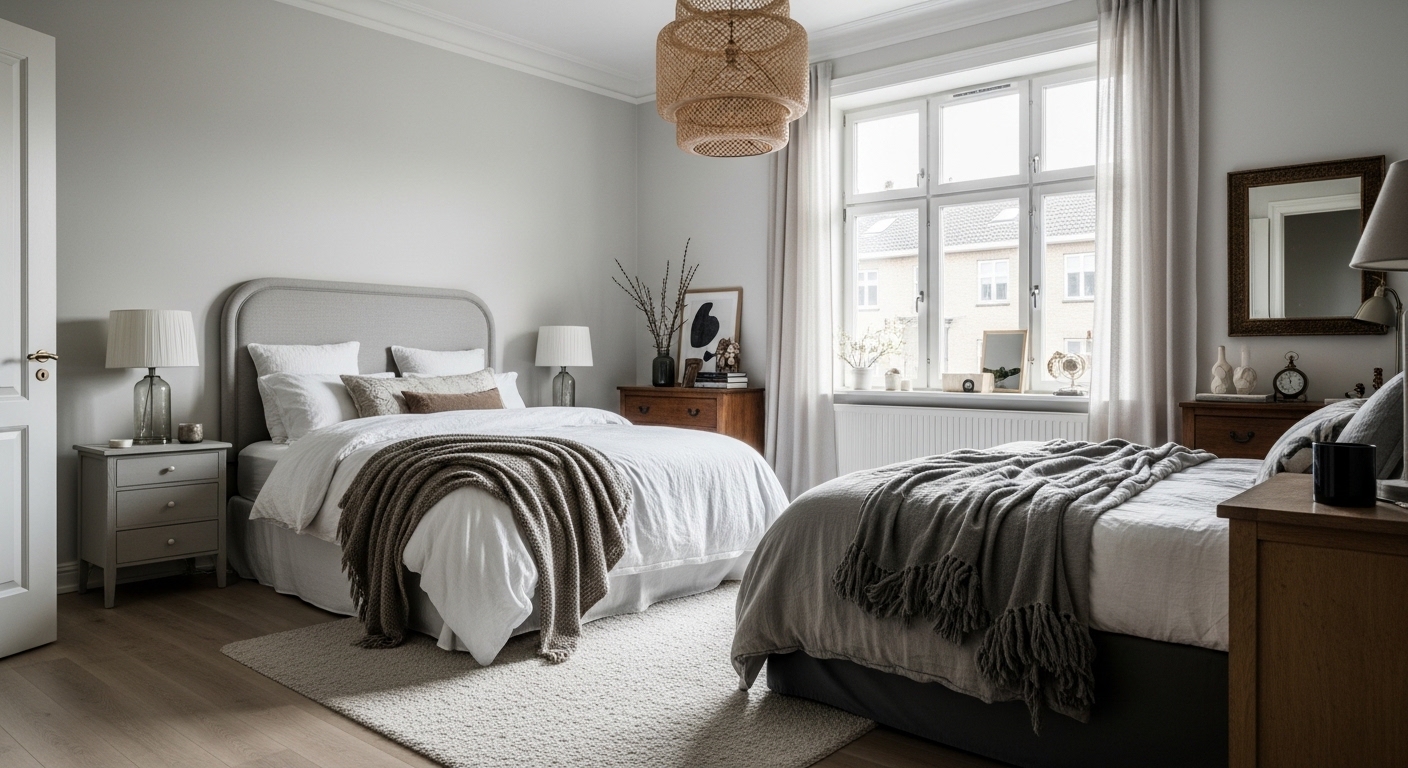
I remember staring at my bedroom ceiling fan light one evening. It buzzed harshly, making the walls feel flat and cold. The space looked tired, no matter what pillows I added.
Bedside lamps helped a bit, but shadows pooled awkwardly. Everything felt unbalanced, like the room couldn't breathe.
I've fixed this in my own rooms. It's about lights that wrap the space in quiet warmth.
How to Style Bedroom Lights for Women Like a Designer
This guide shows you how to layer bedroom lights so they feel soft and balanced, like a designer's touch. You'll end up with a room that shifts gently from day to evening. It's simple—I do it in my own space without fuss.
What You’ll Need
- 24-inch arched table lamp in matte brass with cream linen shade
- Pair of 12-inch ceramic sconces in blush pink
- 60-watt dimmable LED bulbs, warm white (2700K)
- Floor lamp with fabric shade, 65 inches tall, ivory
- Small crystal-accented plug-in wall light
- Blackout curtains in soft linen
- Bedside tray in acacia wood, 14×10 inches
Step 1: Map Your Room's Natural Light

I start by standing in my bedroom at different times. Notice where sunlight hits strongest—usually the bed or dresser. This tells me where to soften glare first.
As I place a sheer curtain scrap there, the harsh lines fade. The room starts feeling even, like it can hold softer lights without fighting the day.
People miss how natural light sets the mood base. Without mapping it, added lamps look spotty. Avoid hanging heavy shades over windows—they trap the space.
Step 2: Set the Main Ambient Glow
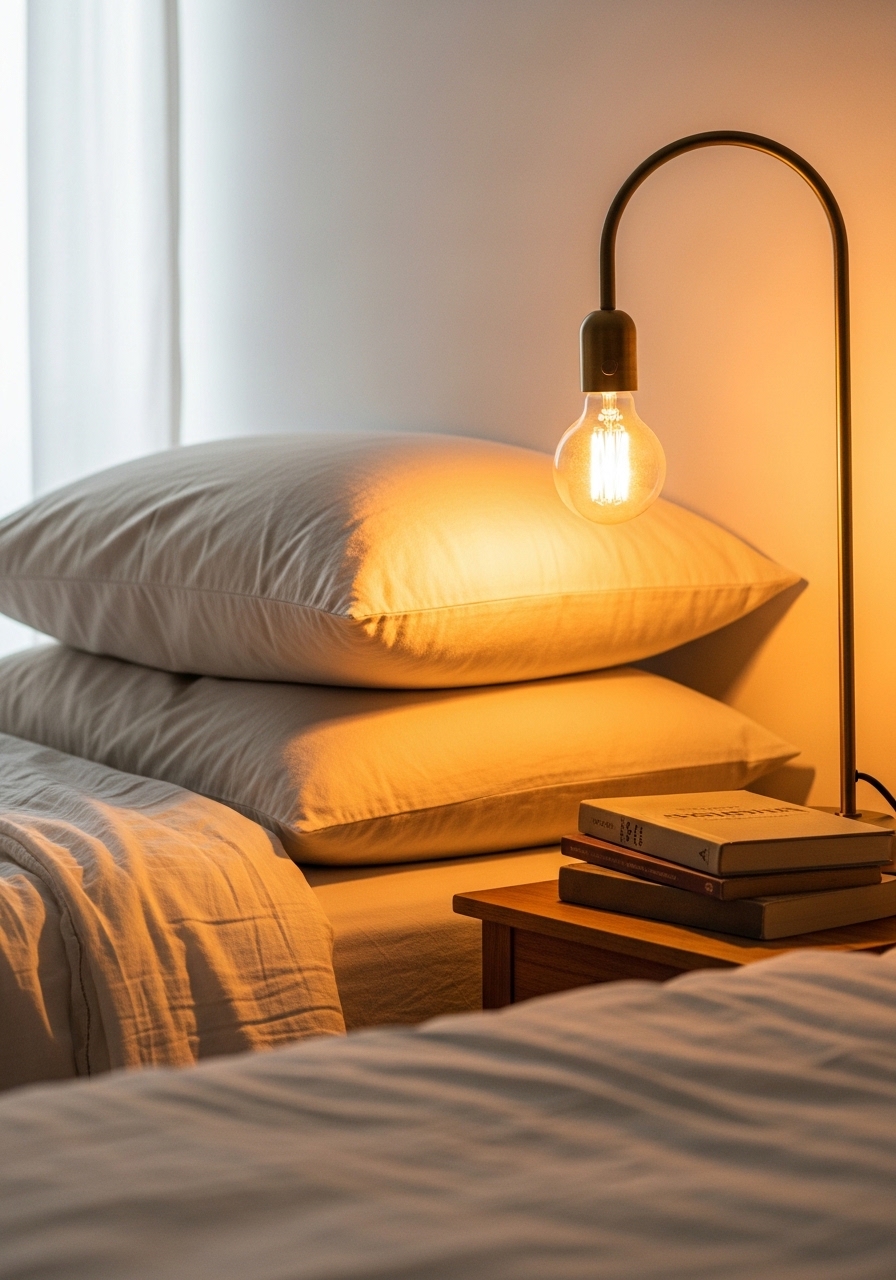
Next, I pick one main light, like my brass arched lamp on the nightstand. Position it so it washes the bed in even warmth, not direct beams.
Visually, walls gain depth—shadows hug corners gently. The room feels larger, more restful.
Most overlook bulb color; cool tones make skin look off. I stick to warm white. Don't center the lamp too high—it pulls light away from where you sit.
Step 3: Layer in Side Glows
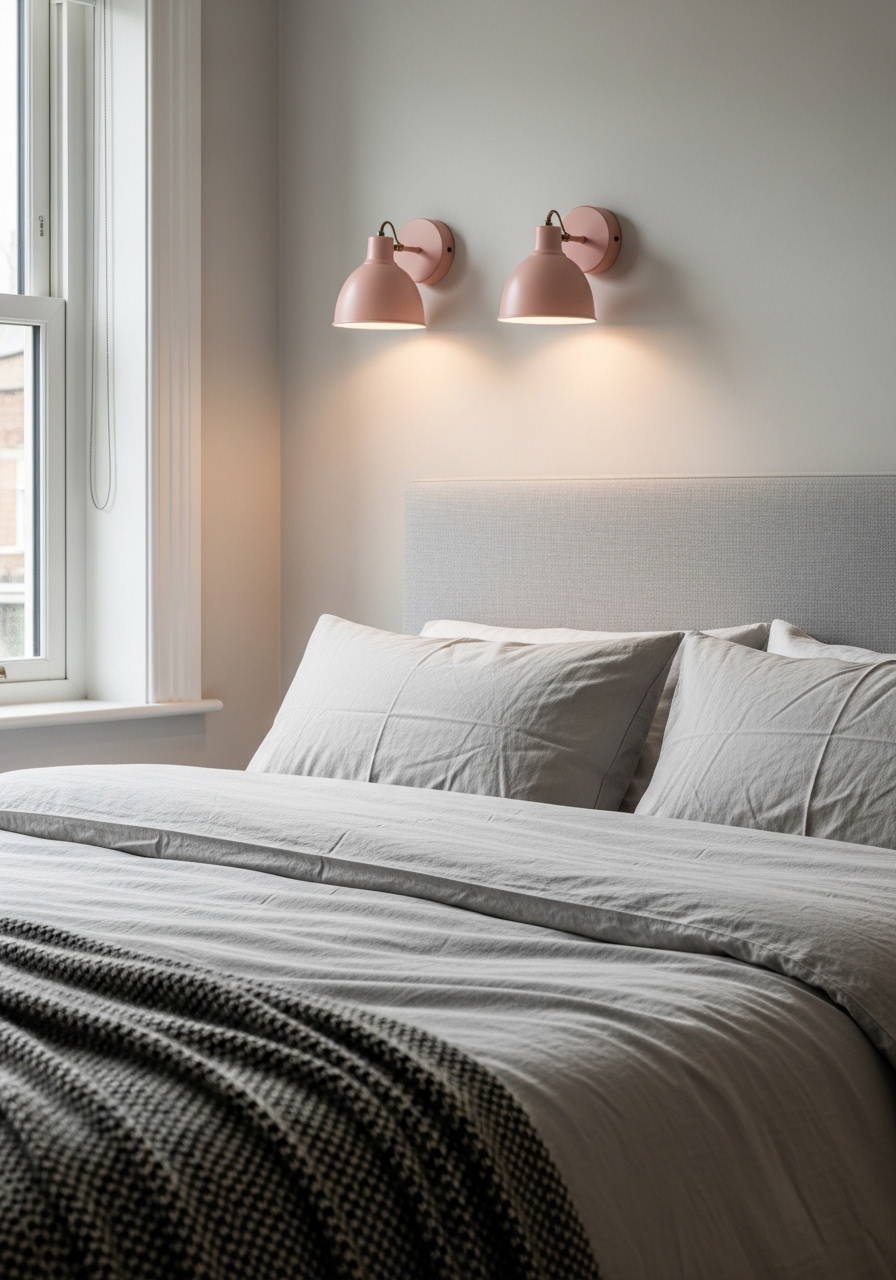
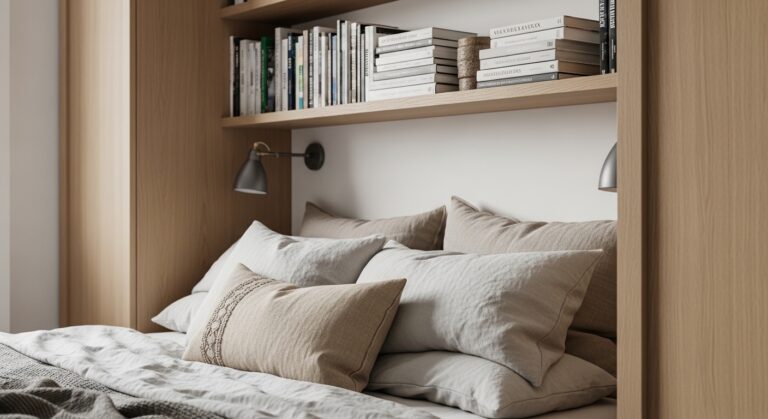
I add sconces above the bed now, at eye level when sitting up. They frame the pillows, creating a quiet halo.
The bed becomes the heart—light balances front to back. No more dark voids behind you.
Folks forget height; too low blinds you. Test by reading. Skip matching pairs exactly—one slightly offset feels lived-in.
Step 4: Add a Floor Anchor
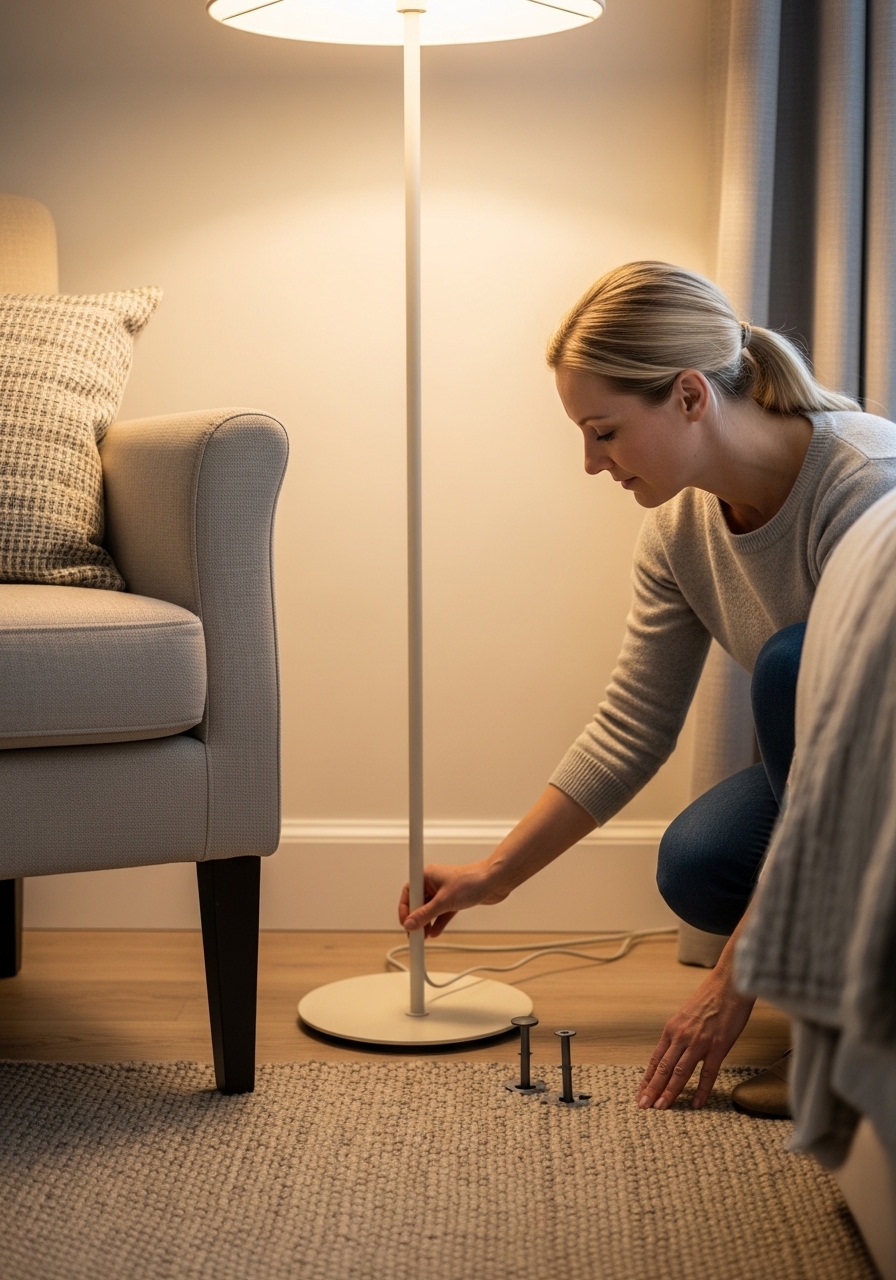
Place a tall floor lamp in the reading corner. Angle the shade to skim the chair and rug, pooling light low.
Now the whole room connects—seating area ties to bed. It feels complete, not chopped up.
The insight: floor lights ground the space. Without one, it floats. Avoid pointing straight up; it wastes glow on the ceiling.
Step 5: Balance for Evening Shift
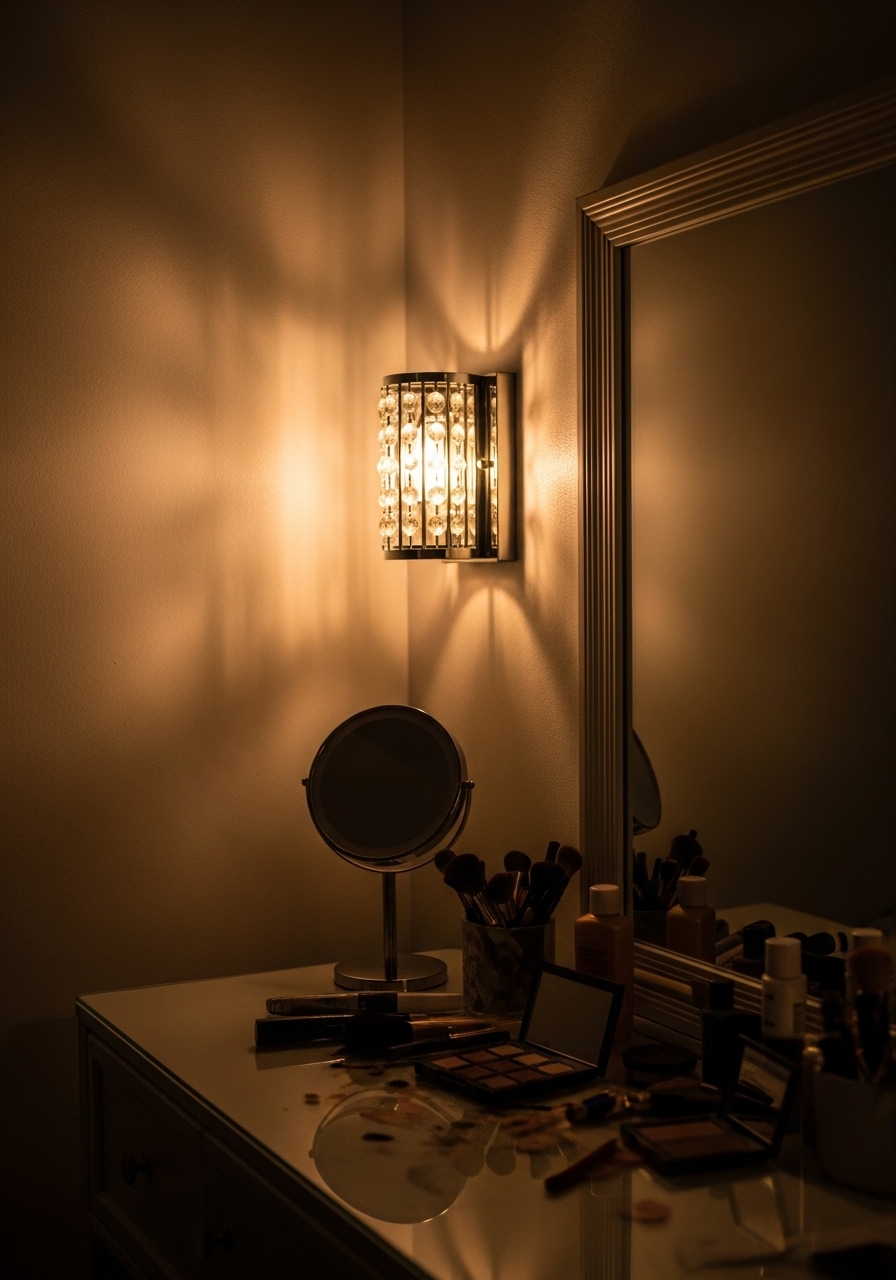
Finally, dim everything and walk around. Tweak shades so no spot overpowers—warmth everywhere.
At night, it wraps like a hug, cozy without glare. Day holds its own.
People miss the dimmer test early. Do it now. Don't overload plugs; one surge protector hides neatly.
Choosing Lights That Suit a Woman's Bedroom
I lean toward soft shapes in my rooms—curved brass, blush tones. They echo feminine lines without trying too hard.
These pick up on the room's flow:
- Ceramic for a hand-touched feel
- Linen shades to diffuse edges
- Crystal touches for subtle sparkle
Steer from sharp metals; they harden the vibe.
Balancing Light Layers Daily
Layering changed my bedroom routine. Mornings stay bright, evenings soften.
Keep it simple:
- Ambient for overall calm
- Task near vanity
- Accent on art or plants
Test by living in it a day. Adjust one at a time.
Avoiding Common Light Traps
I've tripped on these myself.
- Overly bright bulbs wash out colors
- One light source leaves half the room dark
- Ignoring cord paths—they snag feet
Spot them early. Walk the room blindfolded once; feel the balance.
Final Thoughts
Start with one lamp in your space this week. Notice how it settles the room.
You'll feel the shift—balanced, warm, yours.
It's not perfect overnight. Just right for rest.