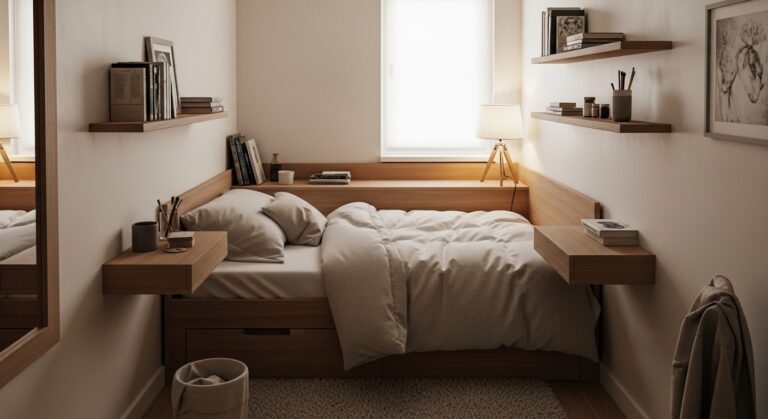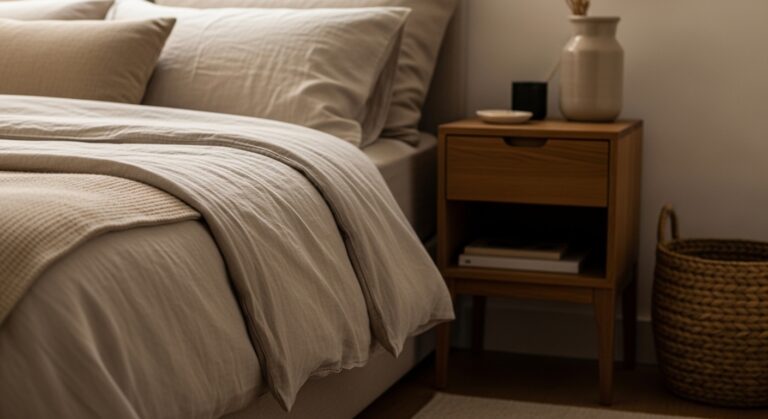
How to Decorate Dark Bedroom for Women Beautifully
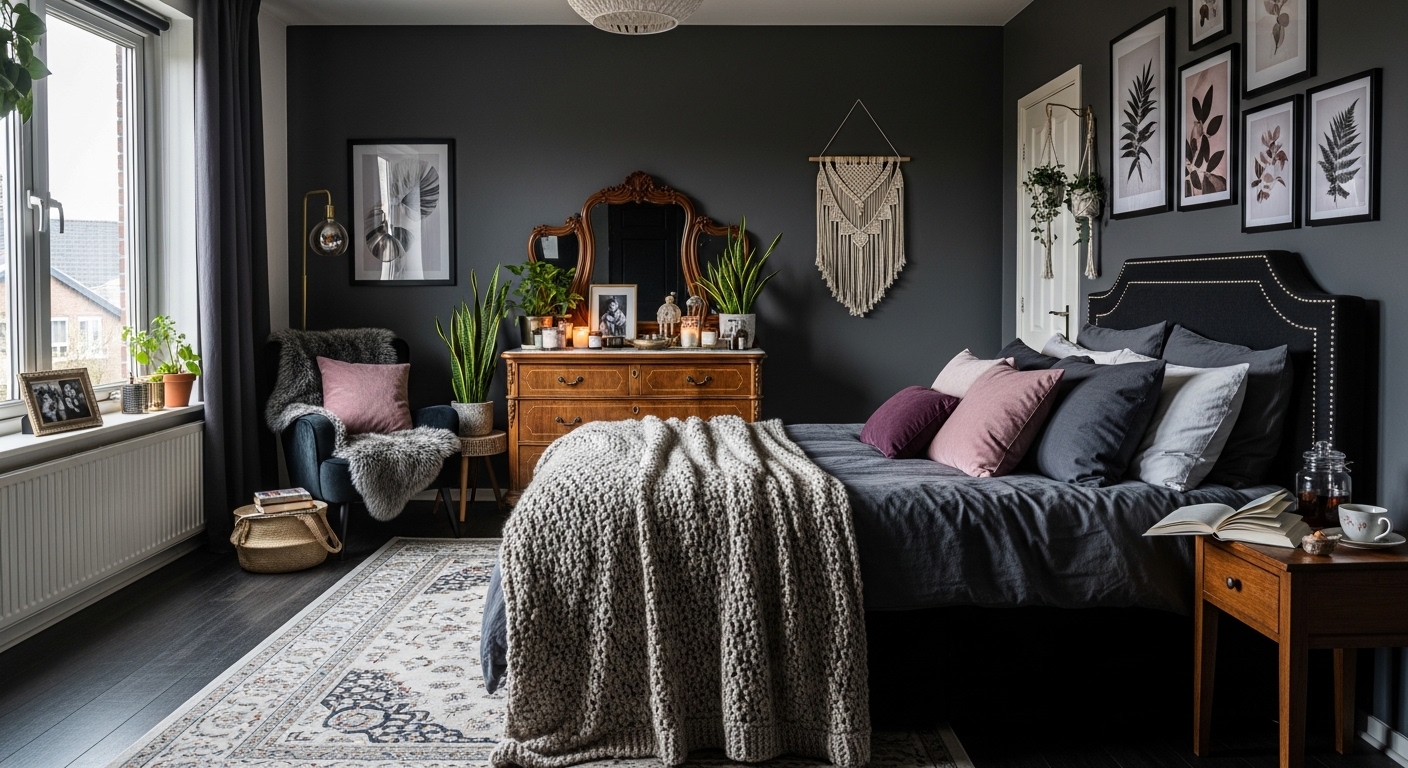
I stared at my dark bedroom walls one evening. They swallowed the light, making the space feel heavy and closed in. Bedding looked flat. Lamps barely helped.
I'd tried brighter colors before. They clashed. The room stayed off-balance.
Then I shifted focus to layers and glow. It settled into something comfortable.
How to Decorate Dark Bedroom for Women Beautifully
This guide shows you how to balance dark walls with soft warmth and light. You'll end up with a bedroom that feels open and lived-in. It's straightforward. I do it in my own space whenever it needs quieting down.
What You’ll Need
- Queen-size linen duvet cover in soft cream
- Two 20-inch velvet pillows in blush pink
- 60-inch arched floor lamp with beige linen shade
- Set of three gold-accented mirrors (12, 16, 20 inches)
- Faux olive branch in ceramic vase (18 inches tall)
- Knitted wool throw in warm taupe
- Sheer white curtains (84-inch panels)
- Wall sconces with frosted glass shades (pair)
- Linen bench at bed foot (36 inches wide, natural finish)
Step 1: Layer the Bed for Depth

I start with the bed. Drape the cream linen duvet smooth but not tight. Tuck blush pillows against the headboard. Drape the taupe throw at the foot.
This builds texture right away. The room shifts from flat to inviting. Dark walls fade back as layers pull your eye in.
People miss how folds catch light. Avoid stacking pillows too high—it tips the balance.
I step back. Feel the weight settle comfortably.
Step 2: Place Lighting Low and Layered
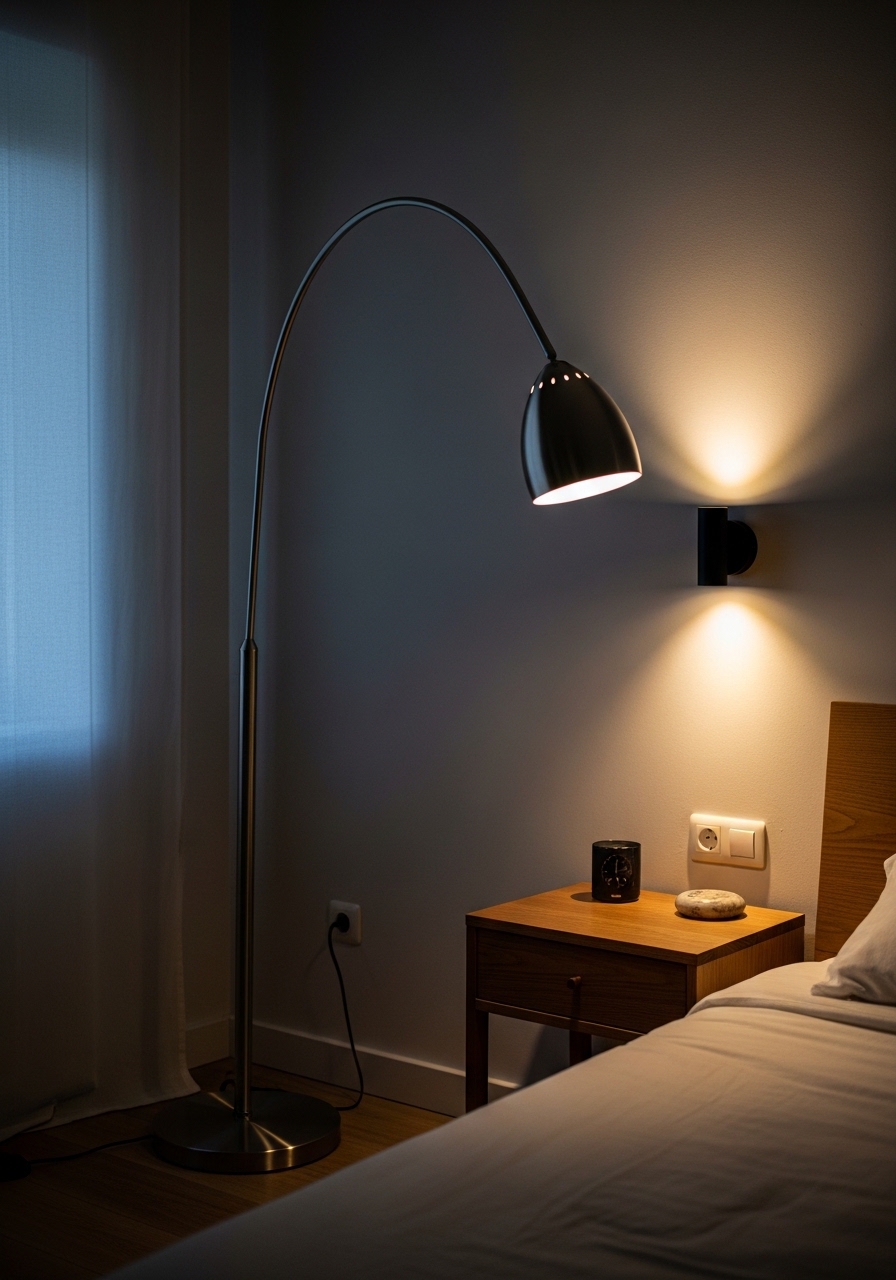
Next, I position the floor lamp in the corner by the bed. Angle it toward the wall. Mount sconces above the nightstand at eye level.
Light bounces now, easing the dark. Shadows soften around the bed.
Most forget low placement. It warms the sitting area. Don't center lamps—they create harsh spots.
The room breathes easier. I sit and read. It holds.
Step 3: Hang Mirrors to Borrow Light
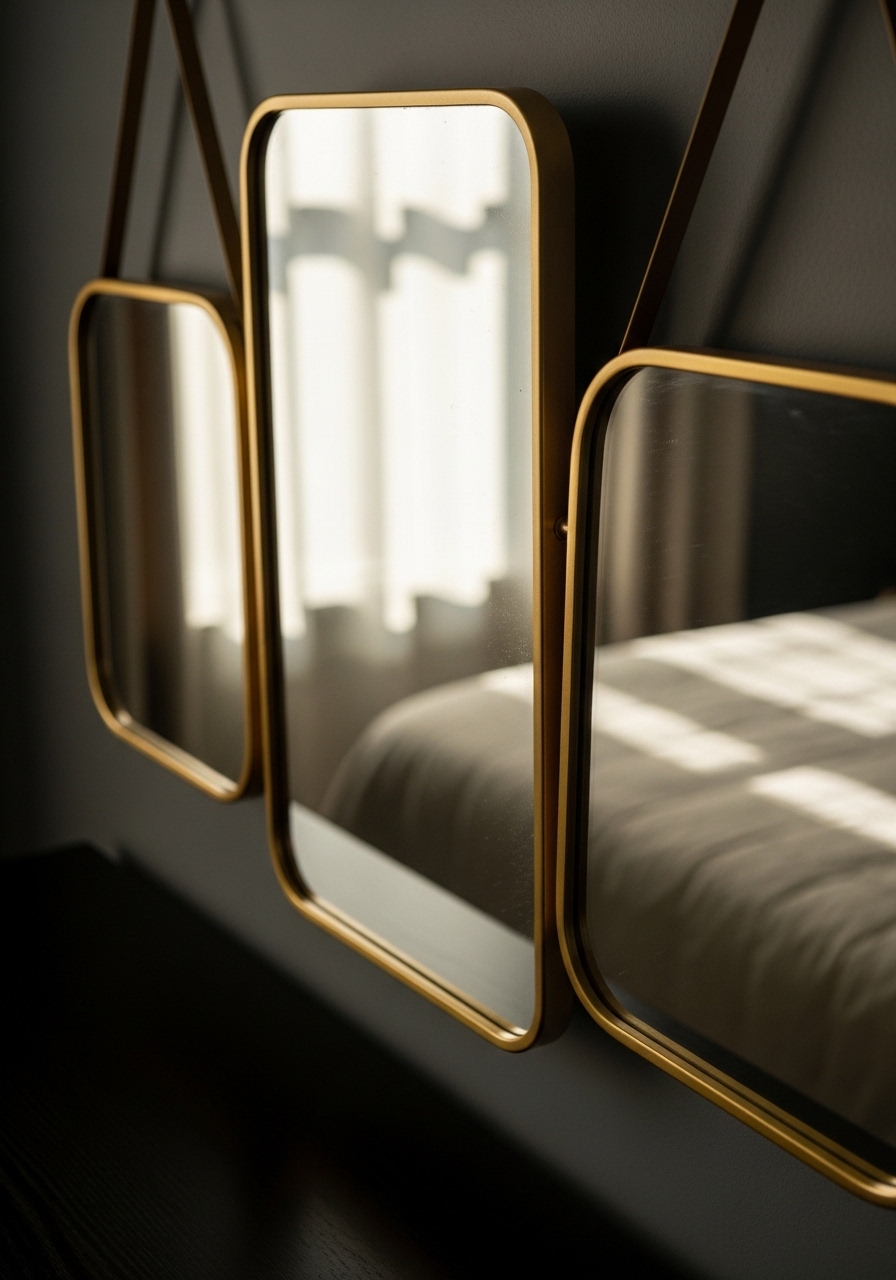
I group the three mirrors above the dresser. Largest in center, smaller ones offset. Tilt slightly toward the window.
Darkness lifts as reflections pull in daylight. Walls feel farther apart.
The insight: odd numbers balance best. Avoid symmetry—it stiffens the flow.
Step back. Light dances quietly across the bed.
Step 4: Add Greenery and Sheer Layers
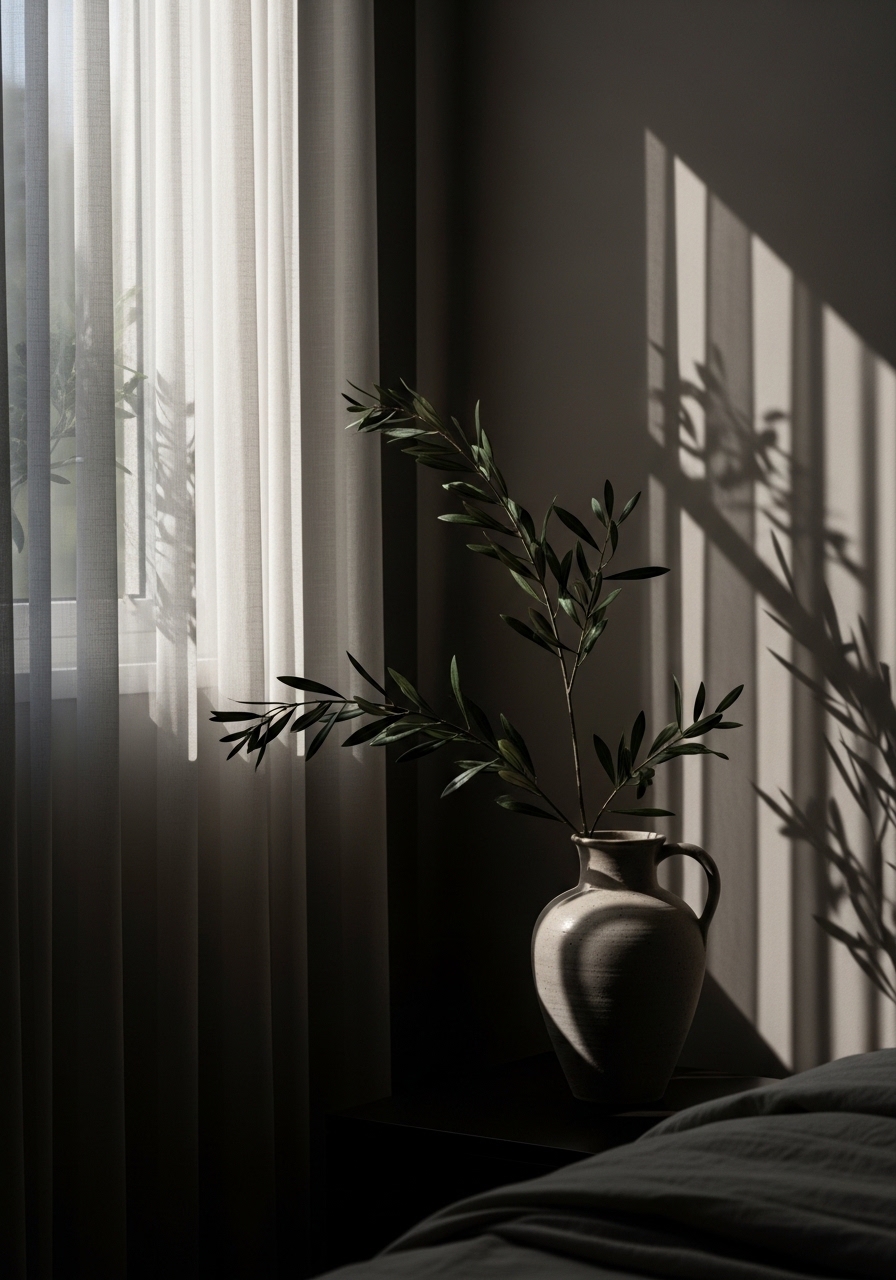
Place the olive branch vase on the nightstand. Hang sheer curtains loose, letting them puddle slightly.
Greenery breathes life without clutter. Sheers diffuse light evenly.
Folks overlook plant scale. Too big overwhelms. Skip heavy drapes—they block more.
The space feels alive, grounded.
Step 5: Finish with Bench and Restraint
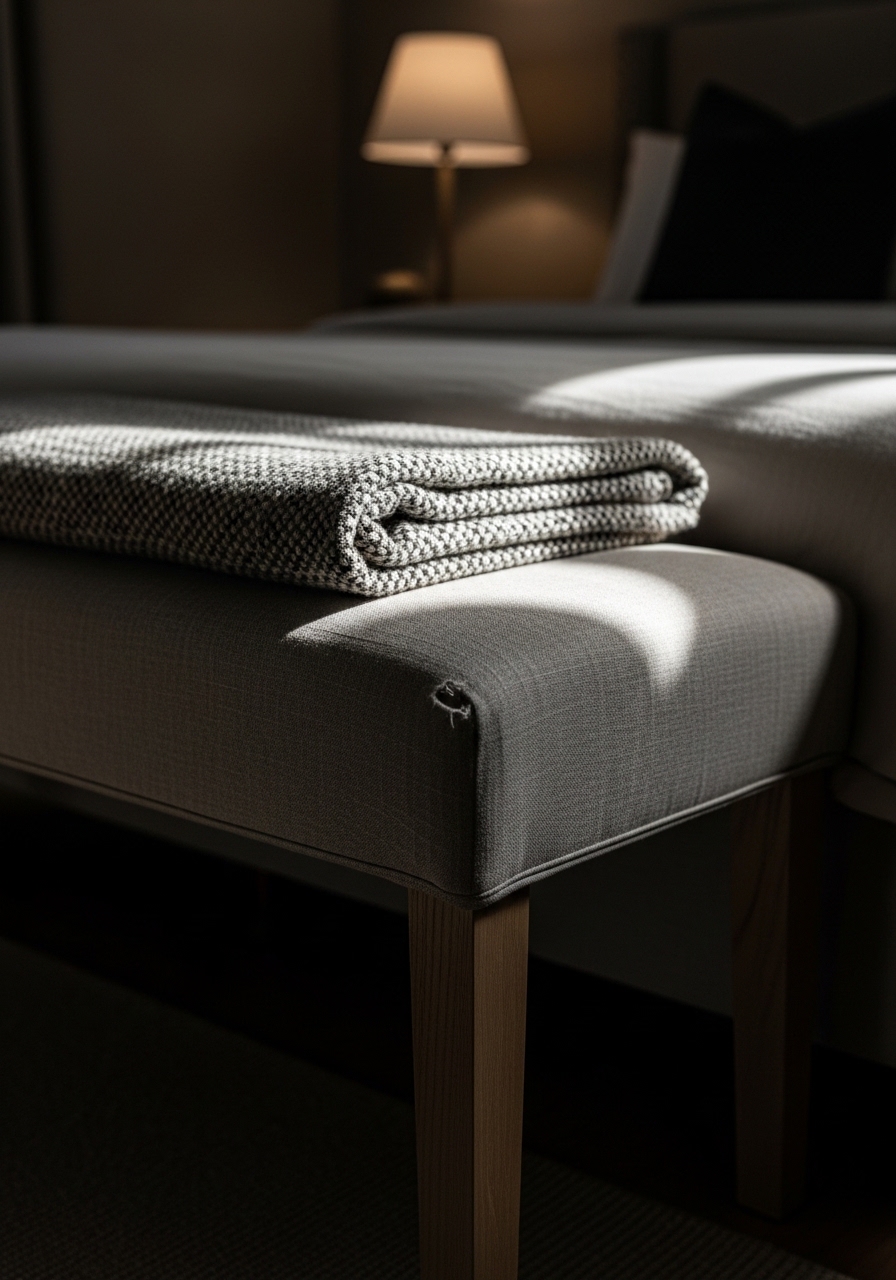
Slide the linen bench to the bed's foot. Rest one throw edge on it. Leave surfaces mostly clear.
It anchors the end without crowding. Balance holds.
The miss: empty spots matter. Don't fill every inch.
Now the room sits right. Comfortable for rest.
Fabric Choices That Work in Dark Bedrooms
I stick to natural fabrics. They hold light softly against dark walls.
Linen and velvet layer best. Creams and taupes warm without fighting the tone.
- Cream linen duvet: Drapes naturally, hides creases.
- Blush velvet pillows: Adds subtle sheen in low light.
- Taupe wool throw: Grounds the palette.
These feel lived-in over time.
Lighting Layers for All-Day Comfort
Dark rooms need multiple sources. I mix ambient and task light.
Floor lamps bounce glow upward. Sconces hug walls.
- Arched lamp in corner: Fills empty space.
- Frosted sconces: Even pools, no glare.
- Natural daylight first: Windows set the mood.
It stays balanced from morning to night.
Keeping the Balance Long-Term
Dark bedrooms shift with seasons. I check placement yearly.
Tweak pillows or move lamps as light changes.
- Dust mirrors weekly: Keeps reflections clear.
- Rotate greenery: Freshens without effort.
- Test at night: Ensure no dark pockets.
It stays intentional, not fussy.
Final Thoughts
Start with the bed. One layer at a time.
You'll see the shift quickly. Dark turns comfortable.
Trust your eye in the space. It knows what fits.