How to Paint Small Guest Bedroom with Brown Color Beautifully
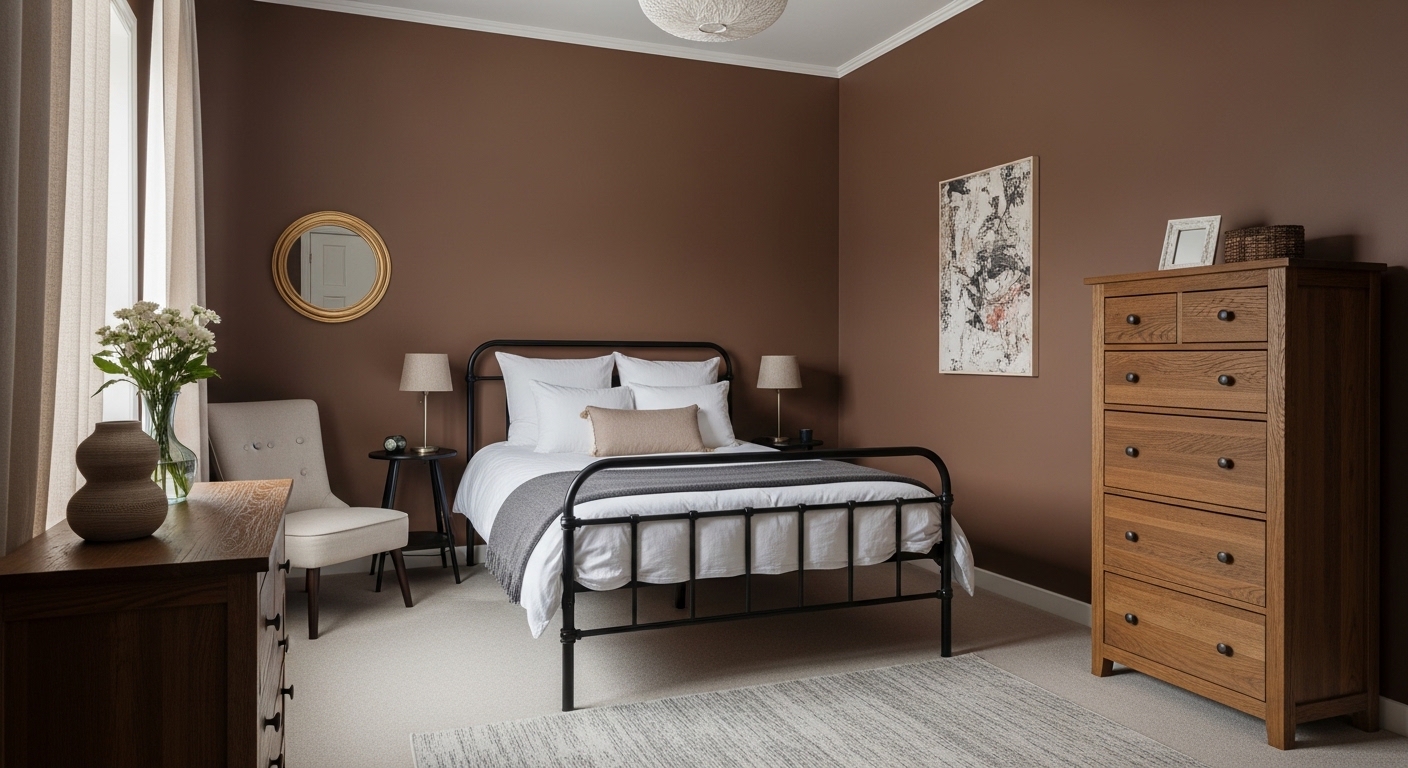
My small guest bedroom always felt cold and boxy. Guests slept there, but it lacked any warmth. I stared at the dull walls one weekend, wondering if brown could fix it without shrinking the space more.
Brown seemed risky—too dark? But I wanted that grounded, comfortable feel. After trying it, the room balanced out nicely.
Here's how I approached it, step by step.
How to Paint Small Guest Bedroom with Brown Color Beautifully
You'll learn my exact approach to layering brown paint in a small guest bedroom for a warm, balanced look. It's simple to pull off in a weekend. The end result: a cozy space that feels larger and more intentional.
What You’ll Need
- Benjamin Moore Revere Pewter in eggshell finish (warm greige-brown, 1 gallon)
- Benjamin Moore Simply White semi-gloss (for trim and ceiling)
- Farrow & Ball Skimming Stone matte (lighter brown accent, sample quart)
- Linen curtains in oatmeal (48×84 inches)
- Wooden nightstand with drawer (natural oak finish)
- Cream cotton throw blanket (50×60 inches)
- Jute area rug (5×7 feet, low pile)
- Brass table lamp (18 inches tall)
Step 1: Assess Light and Pick Your Base Brown
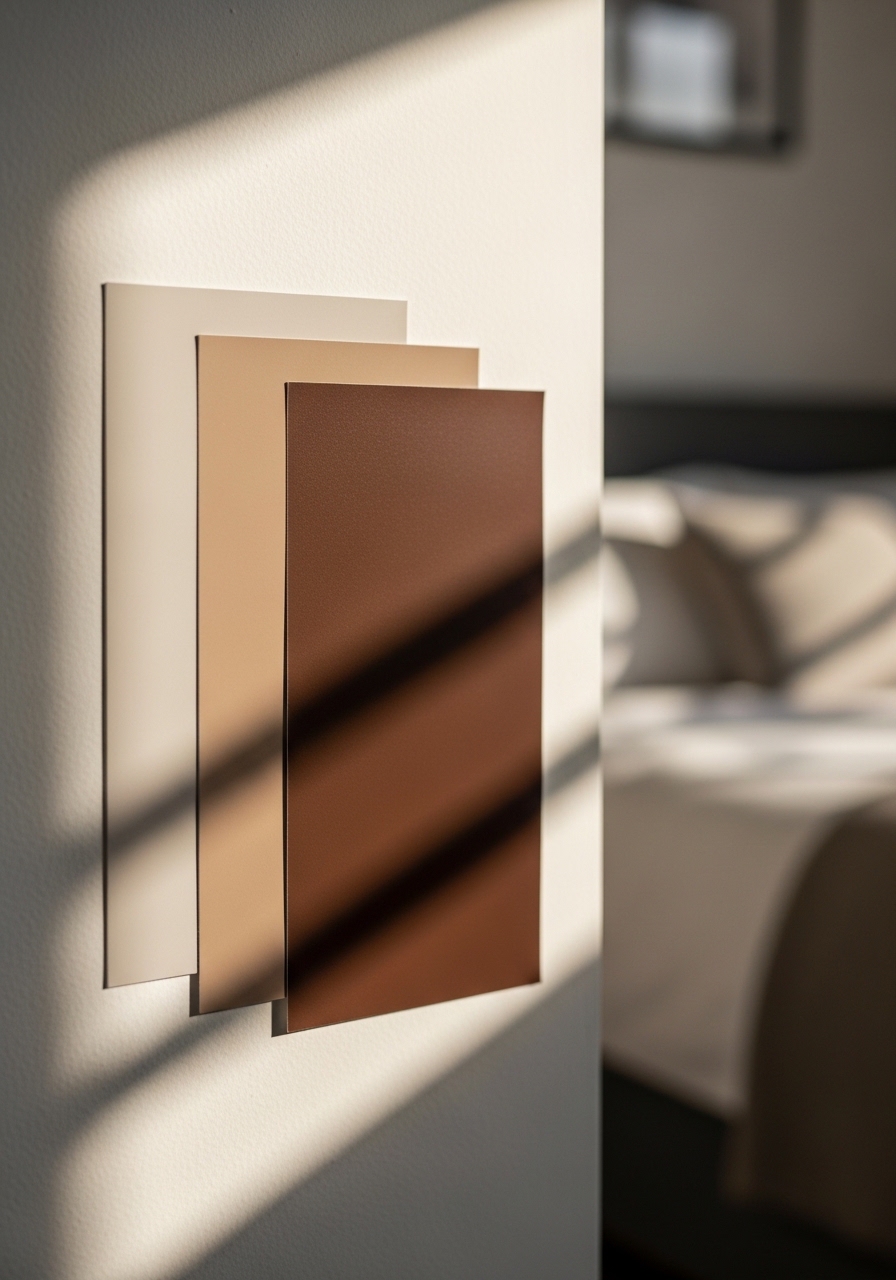
I start by standing in the room at different times of day. Note where light hits—morning glow on one wall, dim corners elsewhere. That's why I chose Revere Pewter: it's warm but not muddy, reflecting light softly.
Visually, the walls shift from taupe in shade to rich brown in sun. People miss how natural light changes brown—test swatches for a week.
Avoid flat paints; they absorb light and make small rooms cave in. Eggshell gives a gentle sheen for balance.
The room starts feeling grounded right away.
Step 2: Paint Walls for Even Warmth
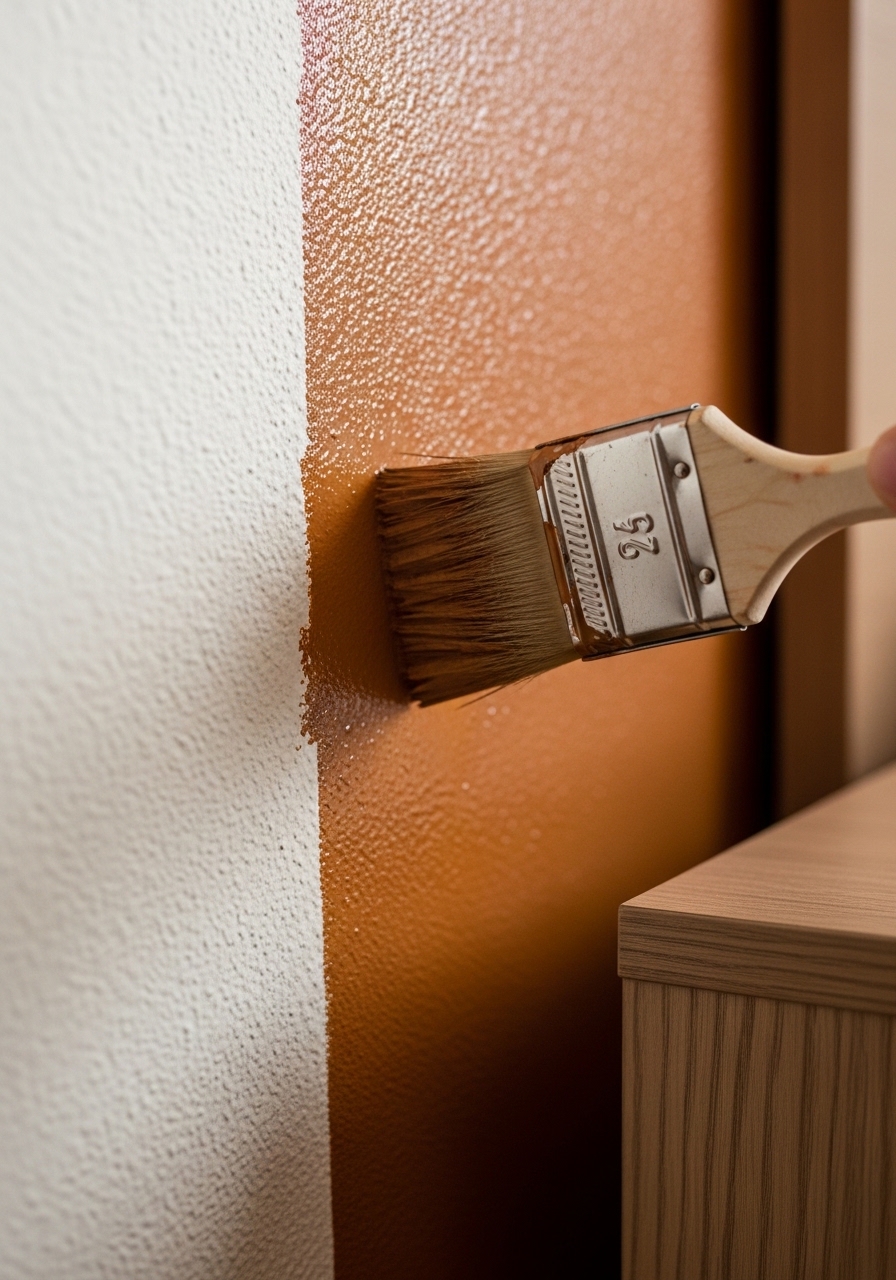
I paint all four walls first, top to bottom. This builds a cocoon-like warmth without overwhelming the tiny footprint. Why? Brown walls recede edges, making space feel taller.
Now, corners soften—no harsh lines. The insight: two coats prevent patchiness; one looks cheap.
Don't rush ceiling yet; walls set the mood. I step back often, checking balance from the door.
It pulls the room together, like a hug.
Step 3: Lighten Ceiling and Trim for Lift
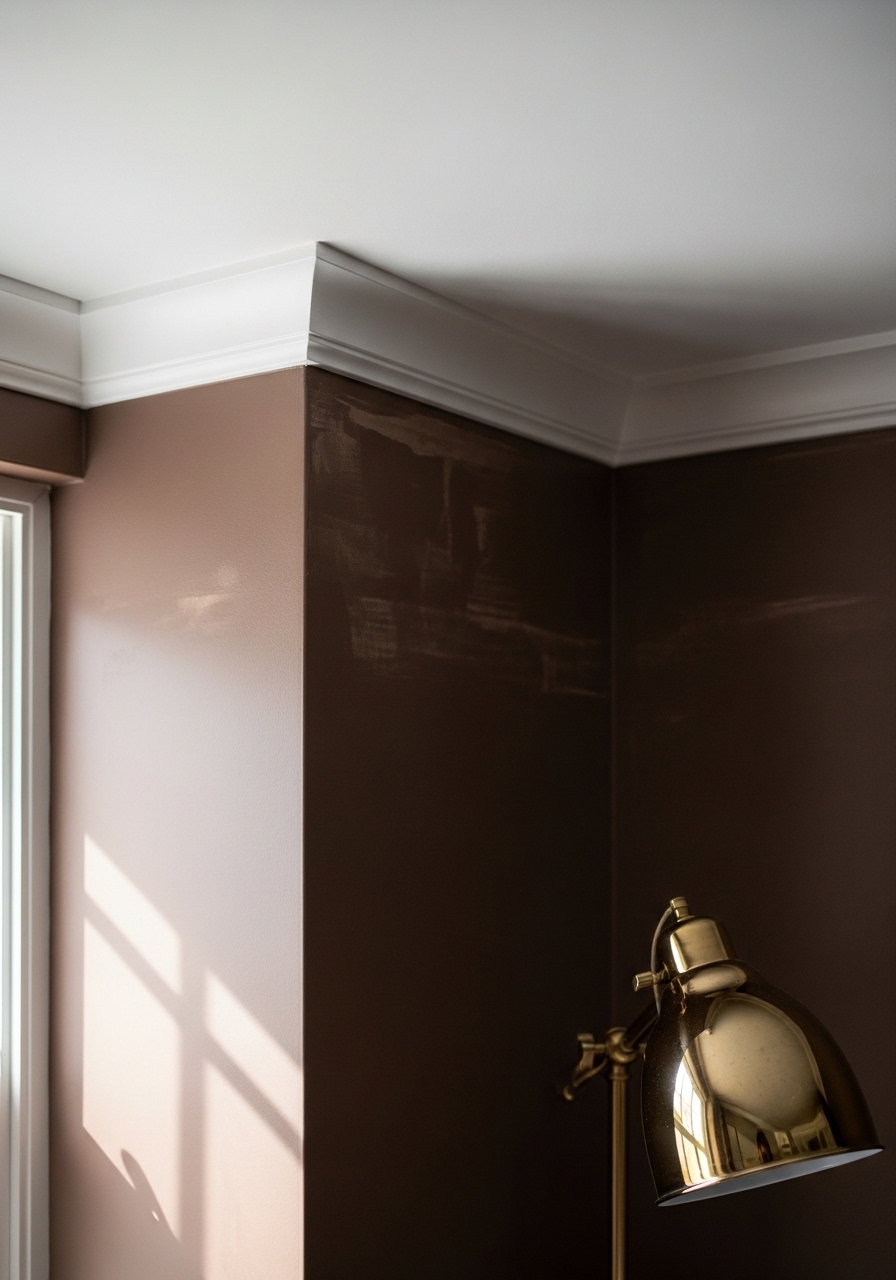
Ceiling gets Simply White next—crisp but soft. Trim too. This lifts the brown, preventing a closed-in trap.
Visually, light bounces down, expanding height. Most miss how white trim defines brown without clashing.
Skip painting doors brown; white keeps flow open. I wiped edges clean for sharp lines.
The space breathes now, balanced top to bottom.
Step 4: Add Subtle Brown Accents for Depth
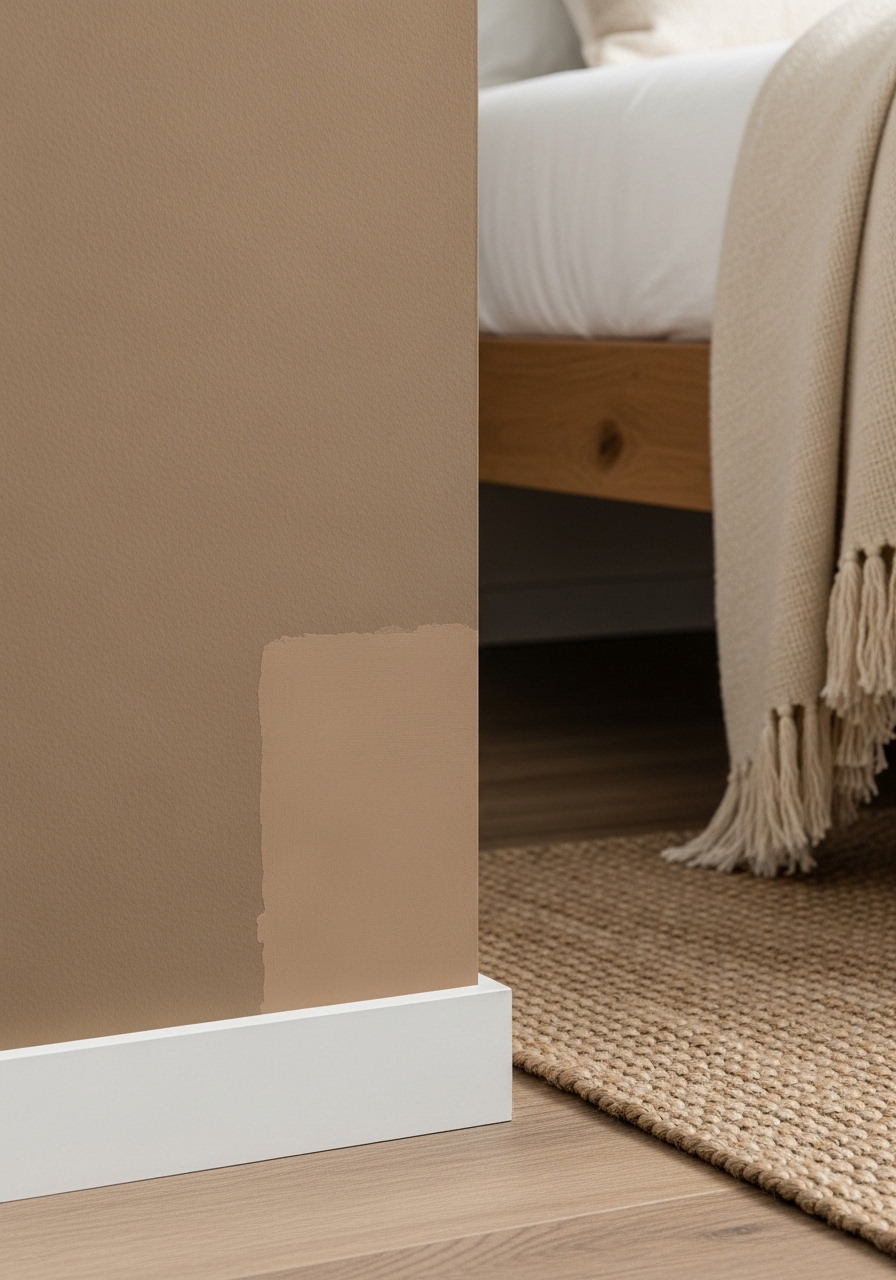
One wall gets Skimming Stone for subtle layering. Why? It adds depth without chaos.
Shadows play gently, creating quiet interest. People overlook accents—they unify without dominating.
Avoid matching accents exactly; slight shifts build dimension. I feathered edges for seamlessness.
Room feels lived-in, intentionally layered.
Step 5: Place Furniture and Textiles to Anchor
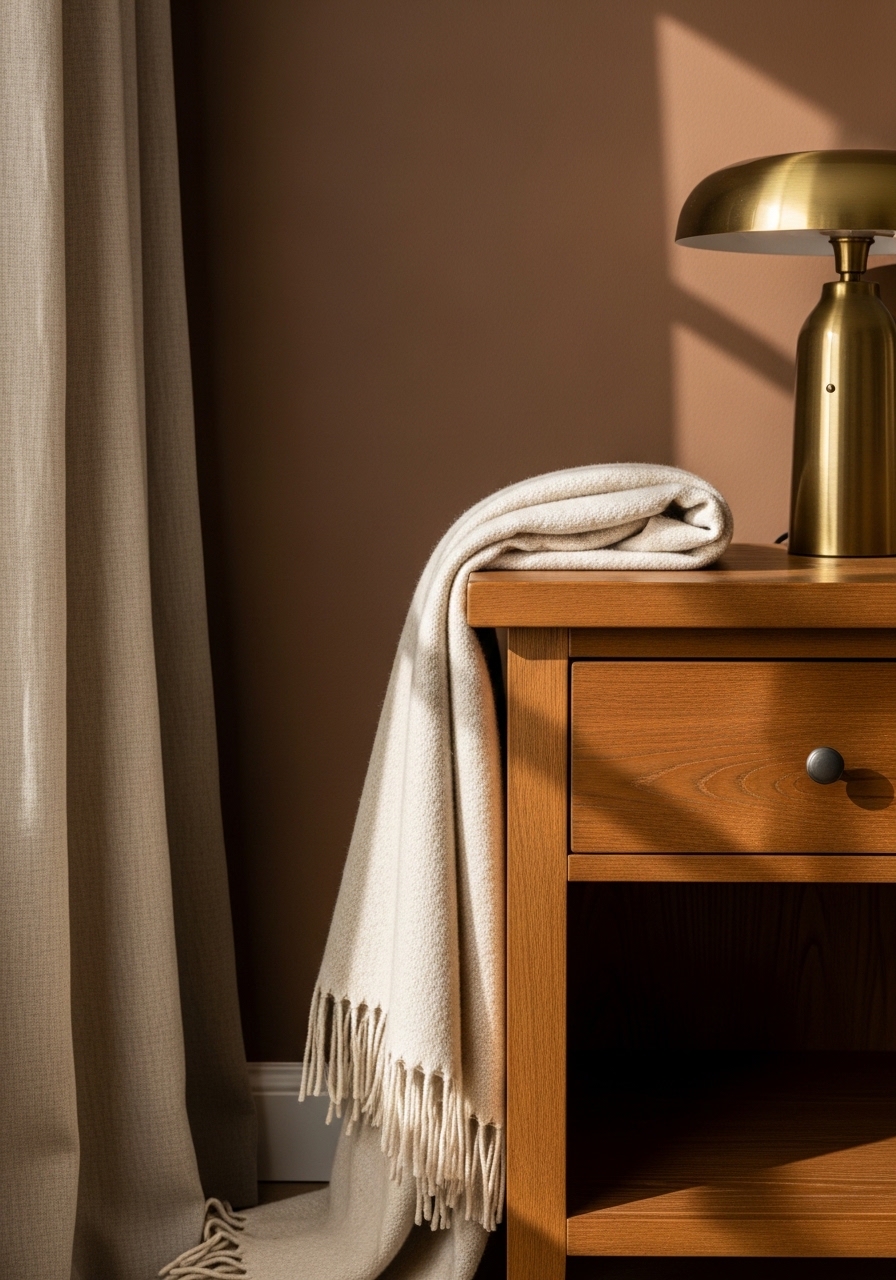
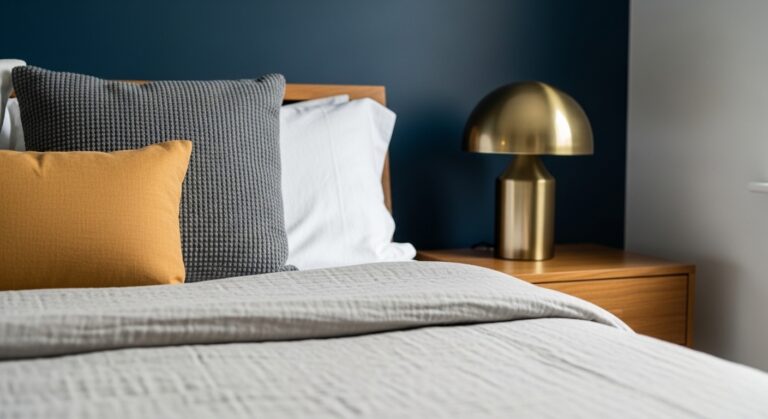
Nightstand hugs the brown wall, rug centers the bed. Cream throw and curtains soften edges.
Furniture floats now, not jammed. Insight: low pieces keep sightlines open in small spaces.
Don't overload shelves; empty space lets brown shine. I adjusted lamp height for even glow.
Everything settles into comfortable flow.
Step 6: Test and Tweak the Feel
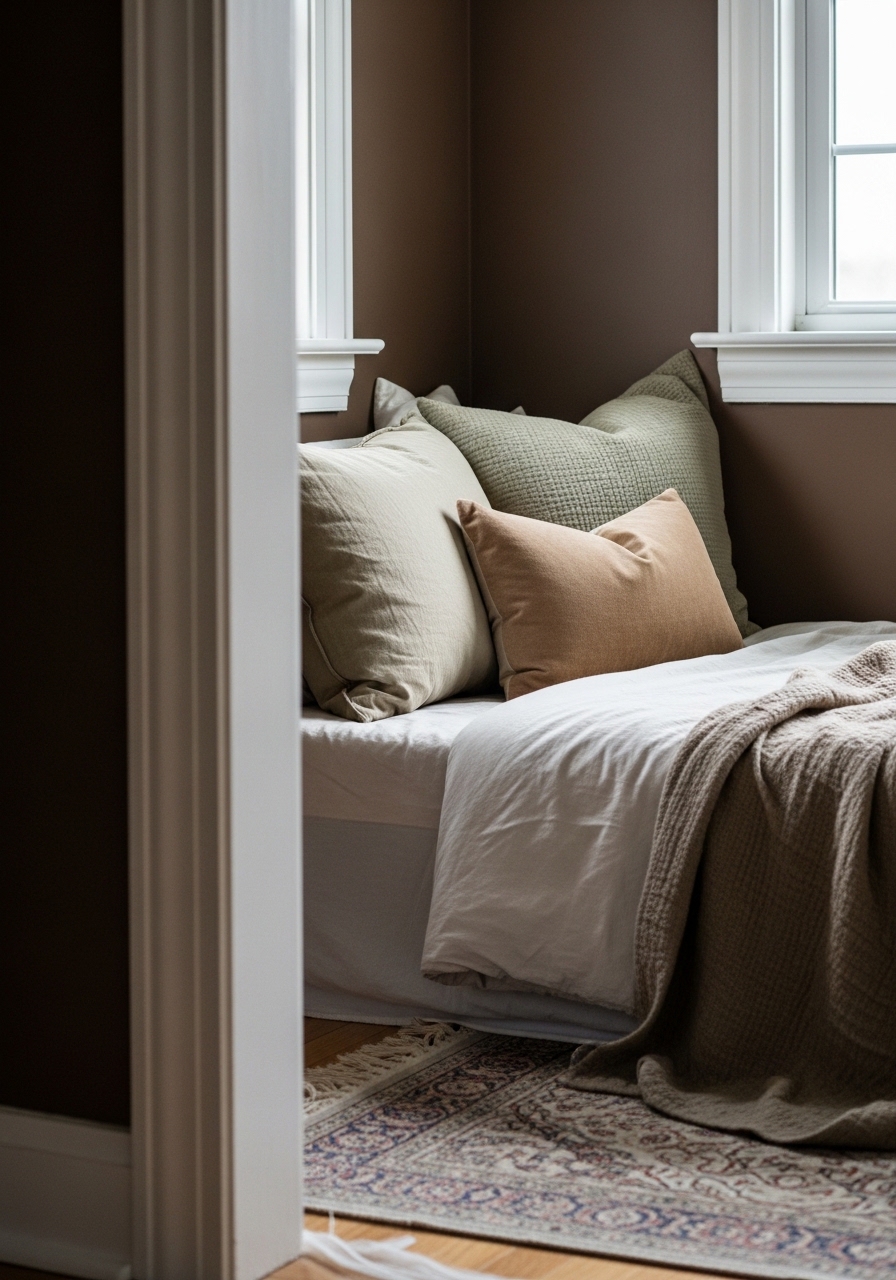
Sleep in it overnight. Walk through at dusk. Tweak curtain length or lamp angle if heavy.
Light reveals balance issues early. Most forget this "live test"—paint looks different occupied.
Avoid over-accessorizing; sparse keeps calm. Mine felt perfect after one pillow swap.
Warmth holds steady.
Why Brown Fits Small Guest Rooms
Brown grounds small spaces without trying too hard. It mimics earth tones, making rooms feel steady.
In my guest room, it warmed the chill without shrinking it. Light browns reflect; deeper ones cozy up.
- Test in your light: North-facing needs warmer shades.
- Pair with naturals: Wood and linen prevent muddiness.
- Scale for guests: Not too bold—inviting stays over.
Balancing Brown with Light and Furniture
Light is key after painting. Windows stay bare-ish for max flow.
Furniture placement matters too.
- Nightstand low against wall: Echoes brown warmth.
- Bed centered: Leaves walking room.
- Rug underfoot: Ties floor to walls.
My tweaks made it feel twice the size.
Common Brown Painting Pitfalls to Skip
I hit a few bumps first time.
One coat looked streaky. Over-dark trim swallowed light.
- Swatch large: Cards lie in small prints.
- Matte everywhere: Grime shows fast.
- Ignore flow: Paint clashes with existing wood.
Steer clear, room stays clean and balanced.
Final Thoughts
Start with one wall if unsure. Brown builds confidence fast.
Your guest room will feel welcoming, not afterthought.
It's just paint and placement—small changes, real comfort. Try it next quiet weekend.